Jiangsu Xuben Photoelectric Technology Co., Ltd.
News

What Is a UAV Transmission System?

2026-01-30 0 Leave me a message

As unmanned aerial vehicles continue to reshape industries ranging from aerial photography and agriculture to public safety and industrial inspection, one core technology determines whether a mission succeeds or fails: the UAV Transmission System. While airframes, batteries, and sensors often get the spotlight, it is the transmission system that quietly ensures stable control, real-time data flow, and reliable communication between the drone and its operator.

This article provides a comprehensive, practical, and experience-driven guide to UAV transmission systems. It addresses common customer pain points such as signal loss, latency, limited range, interference, and system compatibility. Whether you are a drone manufacturer, system integrator, enterprise user, or procurement decision-maker, this guide is designed to help you make confident and informed choices.

UAV Transmission System


Article Summary

A UAV transmission system is the communication backbone of any drone platform, responsible for sending control commands, telemetry data, and payload information such as video or sensor readings. This article explains how UAV transmission systems work, compares major transmission technologies, analyzes real-world application needs, and highlights how professional solutions from companies like Jiangsu Xuben Photoelectric Technology Co., Ltd. help users achieve stable, secure, and long-distance communication in complex environments.


Table of Contents

  • Understanding the Role of a UAV Transmission System
  • Core Components of a UAV Transmission System
  • How UAV Transmission Systems Work in Practice
  • Main Types of UAV Transmission Technologies
  • Key Performance Indicators That Matter to Users
  • Common Customer Pain Points and Practical Solutions
  • Industry Applications and Transmission Requirements
  • Choosing the Right UAV Transmission System
  • Why Professional Manufacturers Matter
  • Frequently Asked Questions

Understanding the Role of a UAV Transmission System

A UAV transmission system enables two-way communication between an unmanned aerial vehicle and its ground control station. It is responsible for three primary functions: uplink control, downlink telemetry, and payload data transmission. Without a reliable transmission system, even the most advanced drone platform becomes unstable, unsafe, and ineffective.

In real-world operations, the UAV transmission system must operate under dynamic conditions such as long distances, electromagnetic interference, physical obstacles, and harsh weather. This makes transmission reliability a critical factor in mission planning and system design.

Manufacturers like Jiangsu Xuben Photoelectric Technology Co., Ltd. focus on developing transmission solutions that balance range, bandwidth, latency, and security to meet the needs of modern UAV applications.


Core Components of a UAV Transmission System

A complete UAV transmission system is not a single device but a coordinated set of hardware and software components. Each element plays a specific role in ensuring seamless communication.

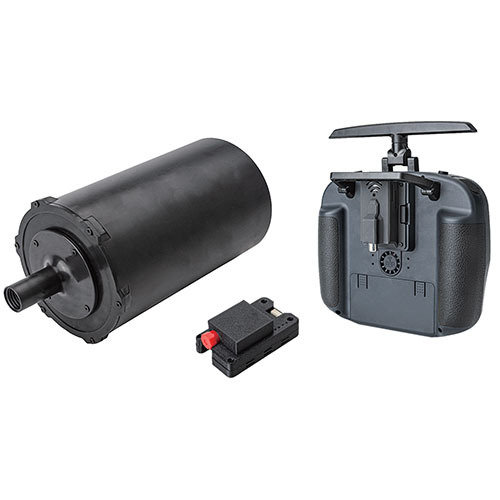
  • Airborne Transmitter Module: Installed on the UAV, responsible for sending video, sensor data, and telemetry.
  • Airborne Receiver Module: Receives control commands from the ground station.
  • Ground Station Transceiver: Manages bidirectional communication and interfaces with control software.
  • Antenna System: Determines signal coverage, directionality, and resistance to interference.
  • Encoding and Decoding Units: Compress and decompress data streams to optimize bandwidth.

High-quality integration of these components is essential. This is where experienced manufacturers such as Jiangsu Xuben Photoelectric Technology Co., Ltd. provide significant value through system-level design rather than isolated components.


How UAV Transmission Systems Work in Practice

In operation, a UAV transmission system establishes a communication link immediately after power-on. Control signals from the ground station are transmitted via radio frequency or digital links to the UAV, while telemetry and payload data are transmitted back in real time.

Advanced systems use adaptive modulation, automatic frequency hopping, and error correction algorithms to maintain link stability. When interference increases or distance changes, the system dynamically adjusts transmission parameters to preserve communication quality.

This intelligent adaptability is a defining characteristic of professional-grade systems developed by companies like Jiangsu Xuben Photoelectric Technology Co., Ltd..


Main Types of UAV Transmission Technologies

Different UAV applications require different transmission technologies. The following table compares common approaches used in modern UAV transmission systems.

Transmission Type Typical Range Latency Best Use Case
Analog RF Short to Medium Very Low FPV racing, hobby drones
Digital RF Medium to Long Low Industrial and commercial UAVs
Microwave Link Long Low Surveillance and mapping
Cellular Network Very Long Medium Urban BVLOS operations

Each technology has trade-offs. Professional system designers carefully evaluate mission requirements before selecting or combining transmission methods.


Key Performance Indicators That Matter to Users

From a user perspective, technical specifications only matter if they translate into operational benefits. The most important performance indicators include:

  • Transmission Range: Determines how far the UAV can operate safely.
  • Latency: Affects control responsiveness and real-time decision-making.
  • Bandwidth: Limits video resolution and sensor data quality.
  • Signal Stability: Reduces dropouts and mission interruptions.
  • Security: Protects data integrity and prevents unauthorized access.

Solutions from Jiangsu Xuben Photoelectric Technology Co., Ltd. are designed with these user-centric metrics in mind, ensuring performance is measurable and reliable.


Common Customer Pain Points and Practical Solutions

Customers often face recurring challenges when deploying UAV transmission systems. Understanding these pain points helps avoid costly mistakes.

  • Signal Interference: Solved through frequency hopping and advanced filtering.
  • Limited Range: Addressed by high-gain antennas and optimized power management.
  • High Latency: Reduced through efficient encoding and low-latency protocols.
  • System Incompatibility: Avoided with modular and standardized interfaces.
  • Maintenance Complexity: Simplified through robust design and remote diagnostics.

These solutions are not theoretical. They are implemented in real-world products developed by experienced suppliers such as Jiangsu Xuben Photoelectric Technology Co., Ltd..


Industry Applications and Transmission Requirements

Different industries place unique demands on UAV transmission systems. Understanding these differences ensures proper system selection.

  • Agriculture: Requires wide-area coverage and stable telemetry.
  • Public Safety: Demands low latency and high reliability in emergencies.
  • Energy Inspection: Needs long-range transmission in remote environments.
  • Mapping and Surveying: Requires high-bandwidth data links.

By tailoring solutions to specific industries, Jiangsu Xuben Photoelectric Technology Co., Ltd. supports diverse UAV missions with consistent performance.


Choosing the Right UAV Transmission System

Selecting the right UAV transmission system involves more than comparing specifications. Decision-makers should consider operational environment, regulatory constraints, future scalability, and supplier expertise.

A reliable partner offers not only hardware but also technical consultation, customization, and long-term support. This holistic approach minimizes risk and maximizes return on investment.


Why Professional Manufacturers Matter

Professional manufacturers bring system-level thinking, quality control, and field experience. Jiangsu Xuben Photoelectric Technology Co., Ltd. exemplifies this approach by delivering integrated UAV transmission solutions that are tested, reliable, and adaptable to evolving industry needs.

Working with an experienced supplier reduces integration challenges and ensures long-term system stability.


Frequently Asked Questions

What is the main function of a UAV transmission system?
It enables real-time communication between the UAV and the ground station, including control, telemetry, and payload data.

How does transmission range affect UAV safety?
Insufficient range increases the risk of signal loss, which can lead to mission failure or loss of the UAV.

Can one transmission system support multiple payloads?
Yes, modern systems are designed to handle multiple data streams simultaneously.

Why is low latency important?
Low latency ensures responsive control and accurate real-time decision-making.

Who should consider industrial-grade transmission systems?
Commercial operators, public safety agencies, and industrial users benefit most from professional-grade solutions.


If you are looking for a reliable, high-performance UAV transmission system tailored to your specific application, Jiangsu Xuben Photoelectric Technology Co., Ltd. is ready to support your project. Our team combines technical expertise with practical experience to deliver solutions you can trust. Contact us today to discuss your requirements and take your UAV operations to the next level.

Related News
Leave me a message
X
We use cookies to offer you a better browsing experience, analyze site traffic and personalize content. By using this site, you agree to our use of cookies. Privacy Policy
Reject Accept