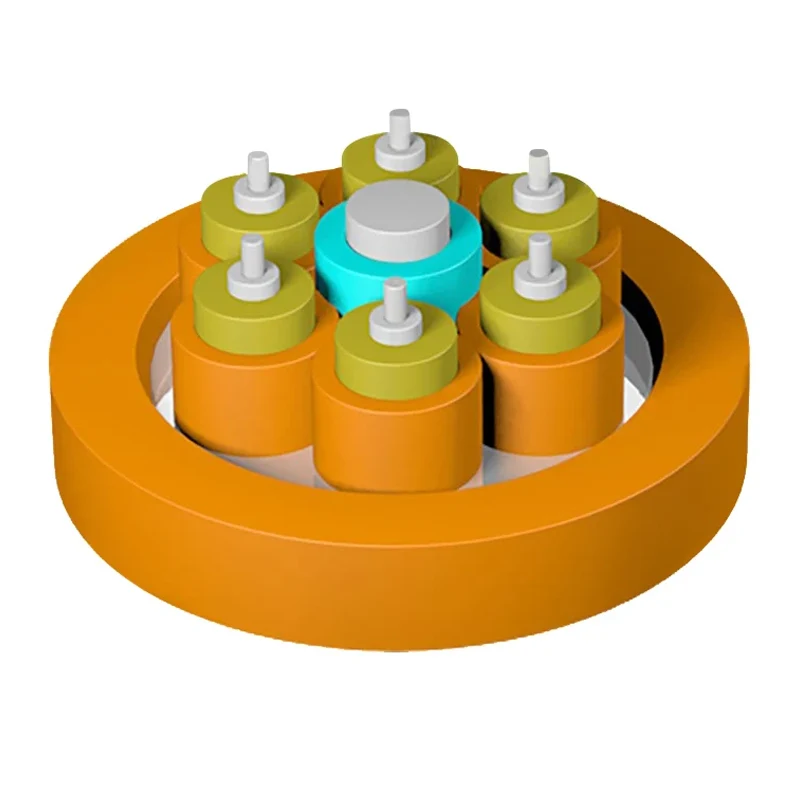
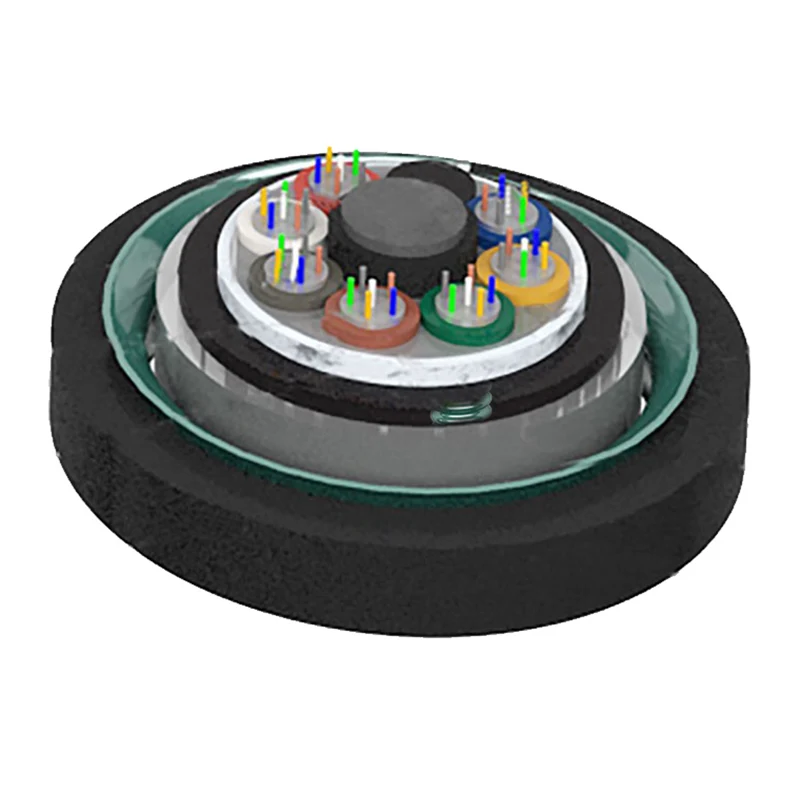
Stranded Non-metallic Air-blowing Micro Cables represent an advanced solution for fiber-optic installations, offering high flexibility, durability, and ease of installation. This blog delves into the characteristics, benefits, and applications of these cables, highlighting why they are increasingly popular in modern telecommunications and networking systems. With contributions from industry leaders like Xuben, we’ll also explore how these cables are transforming the infrastructure landscape.
The MPO (Multi-fiber Push-on) fiber optic cable is revolutionizing the way data is transmitted in telecommunications and data center infrastructure. With its high-performance and easy installation capabilities, it has become a crucial component in modern networking systems. In this article, we will explore the key features, benefits, and applications of MPO multi-fiber push-on fiber optic cables, and why they are becoming the preferred choice for data transmission.
In today’s high-speed digital world, reliable connectivity is no longer optional—it is essential. One of the most critical components enabling seamless communication is the round fiber optic drop cable, widely used in Fiber-to-the-Home (FTTH) networks.
In today’s rapidly evolving digital landscape, the demand for reliable, flexible, and high-performance fiber optic solutions is greater than ever. Among the many options available, Multi-Purpose Break-out Fiber Optic Cable stands out as a versatile and robust solution suitable for a wide range of applications.
Drop cable plays a crucial role in modern fiber optic communication networks by connecting the main distribution network to individual buildings or subscribers. This final segment of the network must provide durability, signal stability, and easy installation while operating in diverse environmental conditions. This article explains how drop cable works, its structure, installation methods, key technical parameters, and how to select the right type for different deployment scenarios. The guide also addresses common challenges faced by network installers and project planners.
Modern communication networks demand faster transmission speeds, lower latency, and higher signal quality. Traditional optical fibers have served global telecommunications for decades, but emerging technologies are pushing the limits of what solid-core fibers can achieve. One innovation gaining significant attention is Hollow Core Fibre. By allowing light to travel through air instead of solid glass, this advanced fiber technology offers major improvements in speed, efficiency, and performance.
We use cookies to offer you a better browsing experience, analyze site traffic and personalize content. By using this site, you agree to our use of cookies.
Privacy Policy