Jiangsu Xuben Photoelectric Technology Co., Ltd.
News

Why Is Multi-Purpose Break-out Fiber Optic Cable Essential for Modern High-Performance Network Infrastructure

2026-05-26 0 Leave me a message

In today’s rapidly evolving communication landscape, reliable data transmission has become a critical requirement for businesses, industrial facilities, data centers, smart buildings, and telecommunications providers. One of the most trusted solutions for high-speed connectivity is the Multi-Purpose Break-out Fiber Optic Cable. Known for its durability, flexibility, and excellent transmission performance, this cable type is widely used in both indoor and outdoor networking applications.

As a professional fiber optic cable manufacturer, Xuben provides high-quality Multi-Purpose Break-out Fiber Optic Cable solutions designed to meet the growing demand for secure, efficient, and scalable communication systems.

Multi-Purpose Break-out Fiber Optic Cable

Table of Contents


What Is Multi-Purpose Break-out Fiber Optic Cable?

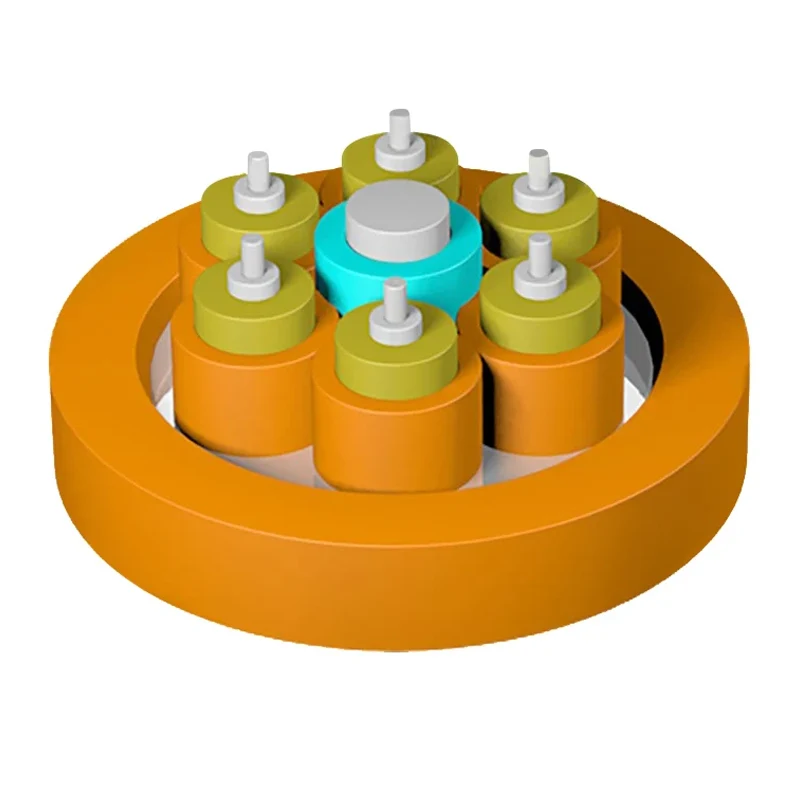
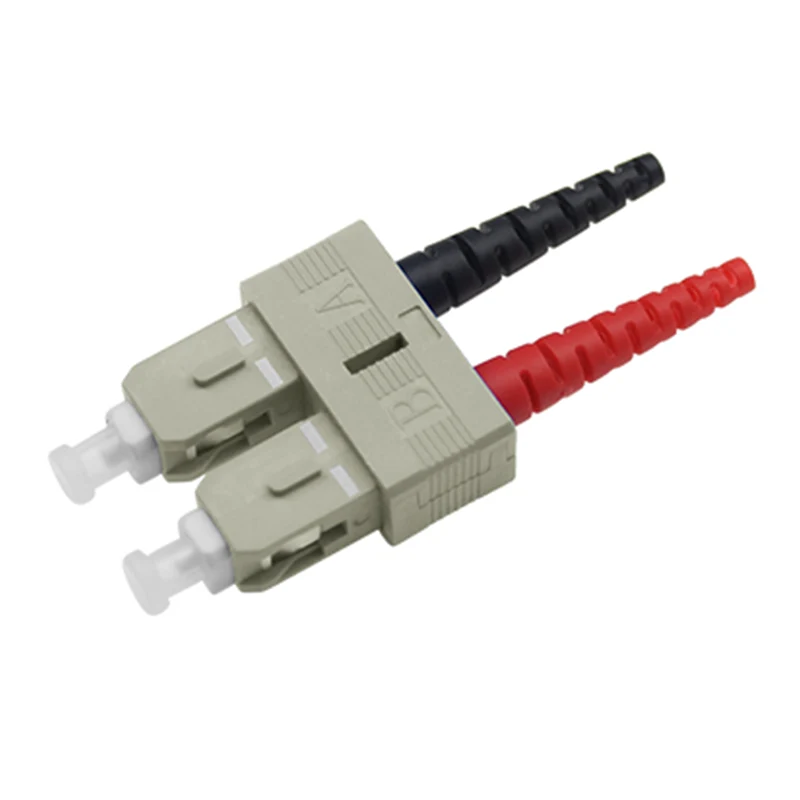
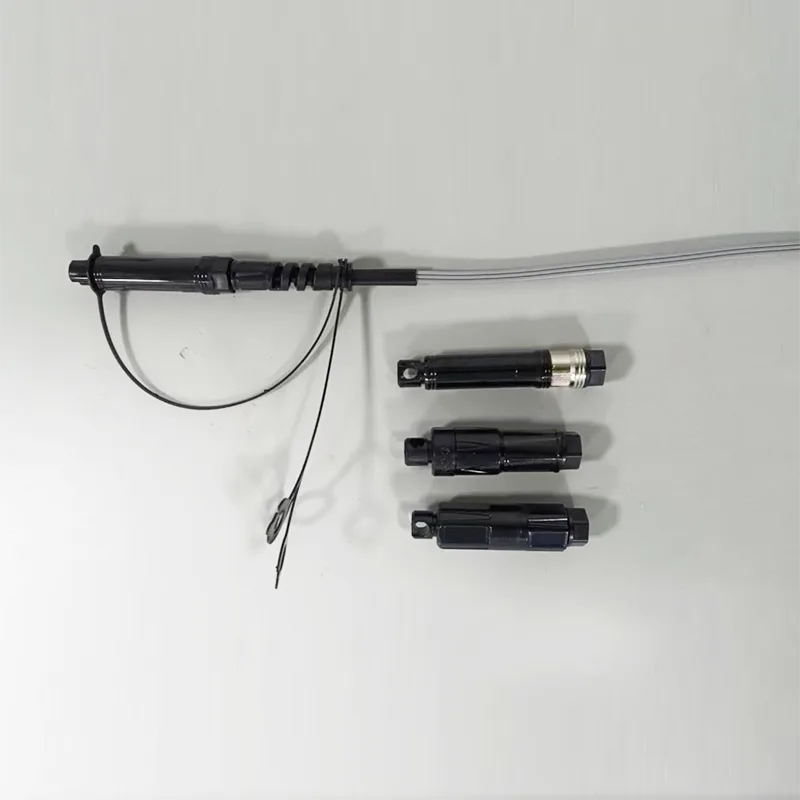
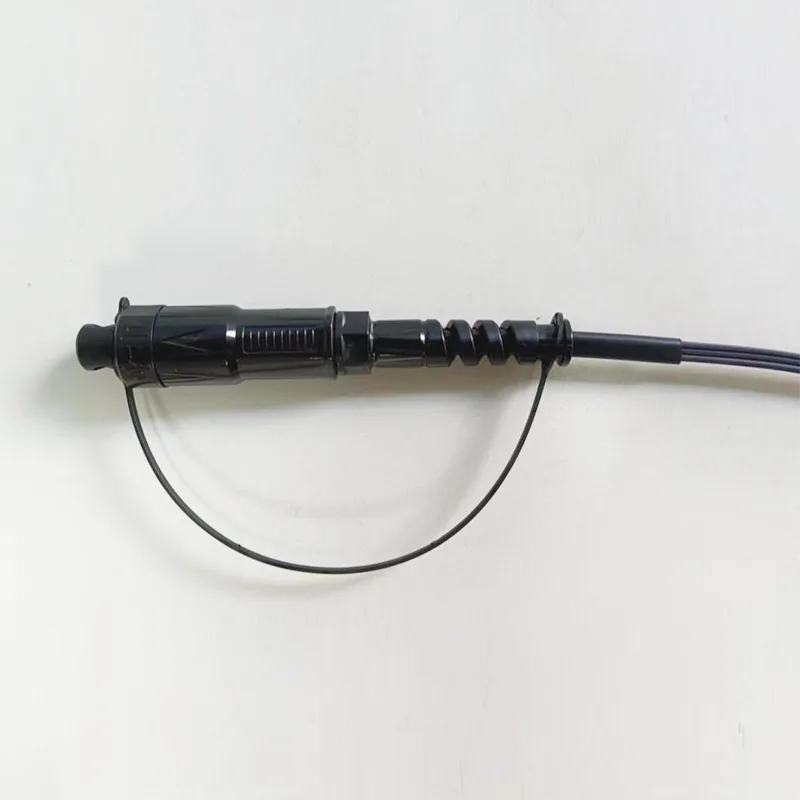
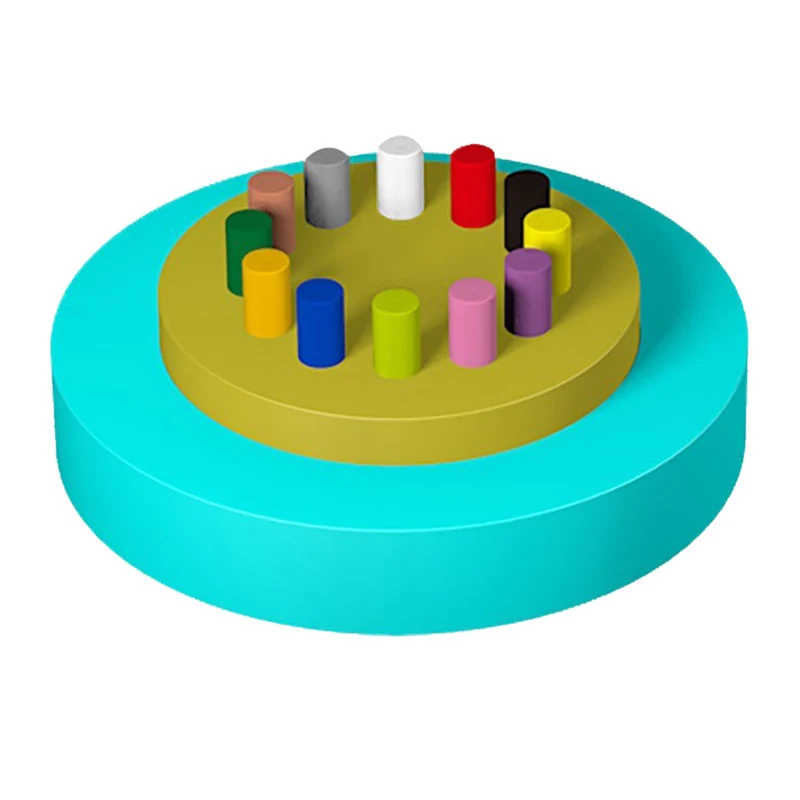
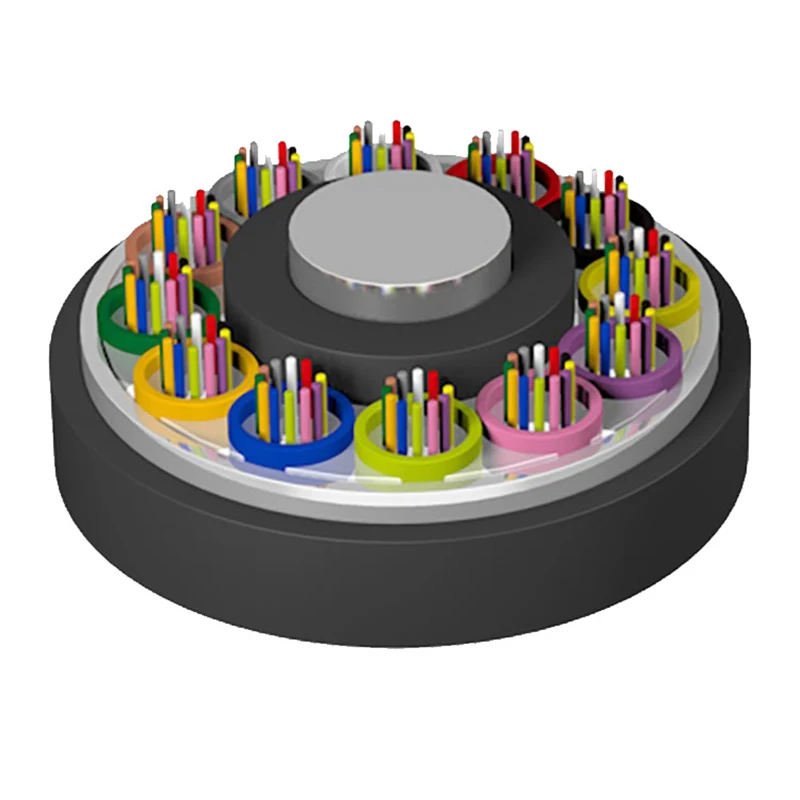
A Multi-Purpose Break-out Fiber Optic Cable is a rugged and highly flexible fiber cable designed with individually jacketed simplex fibers bundled together inside an outer protective jacket. Unlike standard distribution cables, break-out cables allow each fiber to function independently without requiring additional fan-out kits.

These cables are ideal for environments where durability, easy handling, and direct connector termination are important. They are widely used in enterprise backbones, industrial automation, factory communication systems, and campus networks.


Structure of Multi-Purpose Break-out Fiber Optic Cable

Understanding the structure of a break-out fiber optic cable helps users appreciate its reliability and mechanical strength.

Component Description Function
Optical Fiber Core Glass or plastic fiber Transmits optical signals
Individual Buffer 900μm tight buffer Protects individual fibers
Strength Member Aramid yarn/Kevlar Enhances tensile strength
Inner Jacket Flame-retardant material Protects each simplex cable
Outer Jacket PVC/LSZH/PE Environmental protection

Because every fiber is independently protected, break-out cables offer superior resistance against crushing, pulling, and bending.


Key Features and Advantages

High Mechanical Strength

The robust construction makes Multi-Purpose Break-out Fiber Optic Cable suitable for harsh environments where physical stress may occur during installation or operation.

Easy Connector Installation

Each simplex cable can be terminated directly without fan-out kits, reducing labor costs and installation complexity.

Excellent Flexibility

These cables are highly flexible and easy to route through conduits, cable trays, and crowded network spaces.

Superior Fire Safety

Many break-out cables use LSZH (Low Smoke Zero Halogen) jackets, making them suitable for indoor applications requiring enhanced fire protection.

Long-Term Reliability

The rugged design minimizes damage risks, helping maintain stable signal transmission over long distances.


Common Applications

Multi-Purpose Break-out Fiber Optic Cable is widely used across many industries.

Industry Application Benefits
Data Centers Backbone cabling High-speed transmission
Industrial Automation Machine communication Durability in harsh environments
Telecommunications Network expansion Reliable signal quality
Campus Networks Building interconnection Flexible installation
Security Systems CCTV and monitoring Low interference transmission

Benefits for Modern Networking Systems

As network infrastructure continues to evolve toward higher bandwidth and lower latency, organizations increasingly rely on fiber optic technology.

Faster Data Transmission

Fiber optics support significantly higher data transfer speeds compared to traditional copper cables.

Reduced Electromagnetic Interference

Unlike copper cables, fiber optics are immune to EMI and RFI interference, ensuring stable communication in industrial settings.

Scalability

Multi-Purpose Break-out Fiber Optic Cable supports future network upgrades without major infrastructure replacement.

Lower Maintenance Costs

The durable construction reduces the likelihood of cable damage and downtime.

Enhanced Network Security

Fiber optic systems are more difficult to tap than copper networks, improving data security.


Break-out Cable vs Distribution Cable

Many users confuse break-out cables with distribution cables. While both serve important networking purposes, they differ significantly in structure and usage.

Feature Break-out Cable Distribution Cable
Fiber Protection Individually jacketed fibers Shared outer jacket
Termination Direct connectorization Requires fan-out kit
Durability Higher mechanical strength Moderate protection
Flexibility Excellent Good
Installation Cost Lower labor cost Additional accessories needed

Different Types of Fiber Optic Cables

There are several categories of fiber optic cables available in the market.

Single-Mode Fiber Cable

Designed for long-distance communication with minimal signal loss.

Multi-Mode Fiber Cable

Commonly used for short-distance high-speed data transmission within buildings and campuses.

Indoor Fiber Cable

Optimized for indoor installations with flame-retardant materials.

Outdoor Fiber Cable

Built to withstand moisture, UV exposure, and extreme weather conditions.

Armored Fiber Cable

Provides extra mechanical protection for demanding industrial applications.


Installation Best Practices

Proper installation is critical for maintaining long-term fiber optic performance.

Avoid Excessive Bending

Maintain the minimum bend radius recommended by the manufacturer.

Protect Connectors

Keep connectors clean and protected from dust contamination.

Use Proper Cable Management

Organized routing helps prevent cable stress and simplifies maintenance.

Test the Network

Perform insertion loss and continuity testing after installation.

Choose Quality Components

Selecting reliable products from experienced manufacturers like Xuben helps ensure network stability.


How to Choose the Right Cable

Choosing the correct Multi-Purpose Break-out Fiber Optic Cable depends on several factors.

  • Transmission distance requirements
  • Indoor or outdoor environment
  • Fire safety standards
  • Connector compatibility
  • Mechanical protection needs
  • Budget considerations
  • Future scalability requirements

Organizations should work closely with professional suppliers to determine the best configuration for their applications.


Maintenance and Troubleshooting

Routine maintenance extends the service life of fiber optic infrastructure.

Issue Possible Cause Solution
Signal Loss Dirty connectors Clean connectors properly
Network Failure Fiber breakage Inspect and replace damaged cable
Intermittent Connection Poor termination Reconnect or re-terminate
Physical Damage Improper handling Improve cable management

Future Trends in Fiber Optic Technology

The demand for advanced fiber optic solutions continues to rise due to emerging technologies such as:

  • 5G communication networks
  • Cloud computing infrastructure
  • Artificial intelligence systems
  • Industrial IoT automation
  • Smart city development
  • Autonomous transportation systems

As bandwidth requirements continue growing, Multi-Purpose Break-out Fiber Optic Cable will remain an essential component of future-proof networking infrastructure.


Frequently Asked Questions

What is the main advantage of Multi-Purpose Break-out Fiber Optic Cable?

The main advantage is its individually protected fibers, which allow direct termination and provide enhanced mechanical durability.

Can break-out fiber optic cable be used outdoors?

Yes, certain versions are specifically designed for outdoor environments with UV-resistant and waterproof jackets.

Is break-out cable suitable for industrial environments?

Absolutely. Its rugged structure makes it ideal for industrial automation, manufacturing facilities, and harsh operating conditions.

What is the difference between single-mode and multi-mode fiber?

Single-mode fiber supports long-distance communication, while multi-mode fiber is generally used for shorter distances with high bandwidth.

Why choose Xuben fiber optic solutions?

Xuben provides reliable, high-performance fiber optic products with strict quality control, advanced manufacturing capabilities, and professional technical support.

How long does fiber optic cable last?

With proper installation and maintenance, fiber optic cables can operate effectively for decades.


Conclusion

The Multi-Purpose Break-out Fiber Optic Cable has become a critical solution for modern communication infrastructure due to its durability, flexibility, and excellent transmission performance. From industrial automation to enterprise networking and data center applications, this cable type delivers reliable connectivity while simplifying installation and maintenance processes.

As global demand for faster and more secure communication continues to increase, choosing high-quality fiber optic products from trusted manufacturers becomes more important than ever. Xuben is committed to delivering advanced fiber optic cable solutions that meet international standards and support long-term network reliability.

If you are looking for dependable fiber optic cable products for your next project, contact us today to learn how Xuben can help you build a stronger, faster, and more efficient communication network.

Related News
Leave me a message
X
We use cookies to offer you a better browsing experience, analyze site traffic and personalize content. By using this site, you agree to our use of cookies. Privacy Policy
Reject Accept