Jiangsu Xuben Photoelectric Technology Co., Ltd.
News

Why Is the Stranded Loose Tube Armored Fiber Optic Cable the Ultimate Solution for Modern Networking

2026-05-19 0 Leave me a message

Article Summary: The stranded loose tube armored fiber optic cable has become an essential component in modern networking infrastructure, providing enhanced durability, flexibility, and protection for critical data transmission. This article explores the features, benefits, installation methods, applications, and maintenance practices for these cables, helping businesses and engineers make informed decisions when deploying fiber optic networks. Xuben, a leading manufacturer, delivers high-quality stranded loose tube armored fiber optic cables tailored to diverse networking needs.

Stranded Loose Tube Armored Fiber Optic Cable

Table of Contents


Introduction to Stranded Loose Tube Armored Fiber Optic Cable

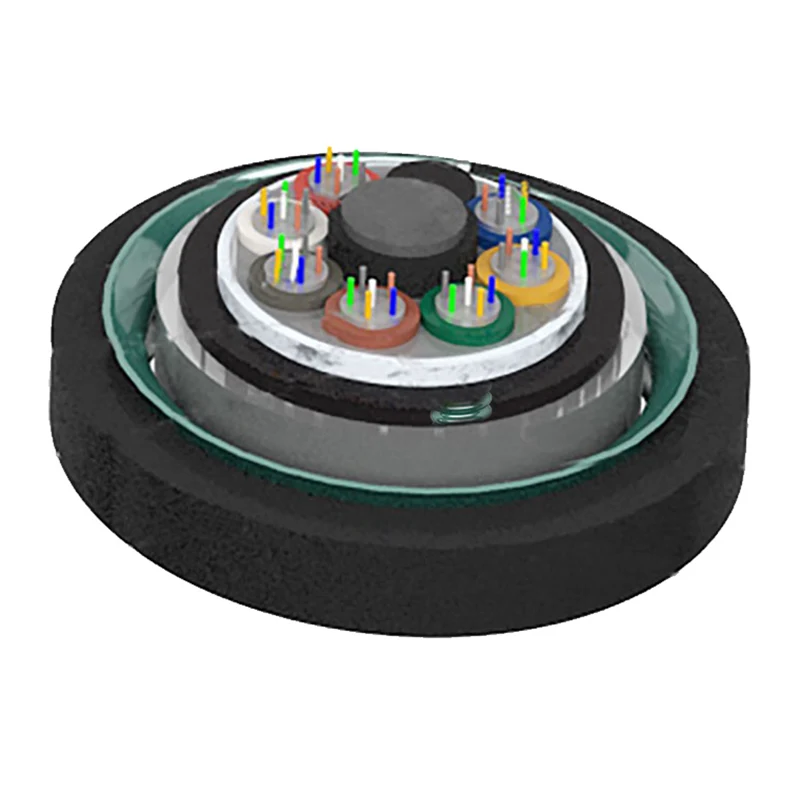
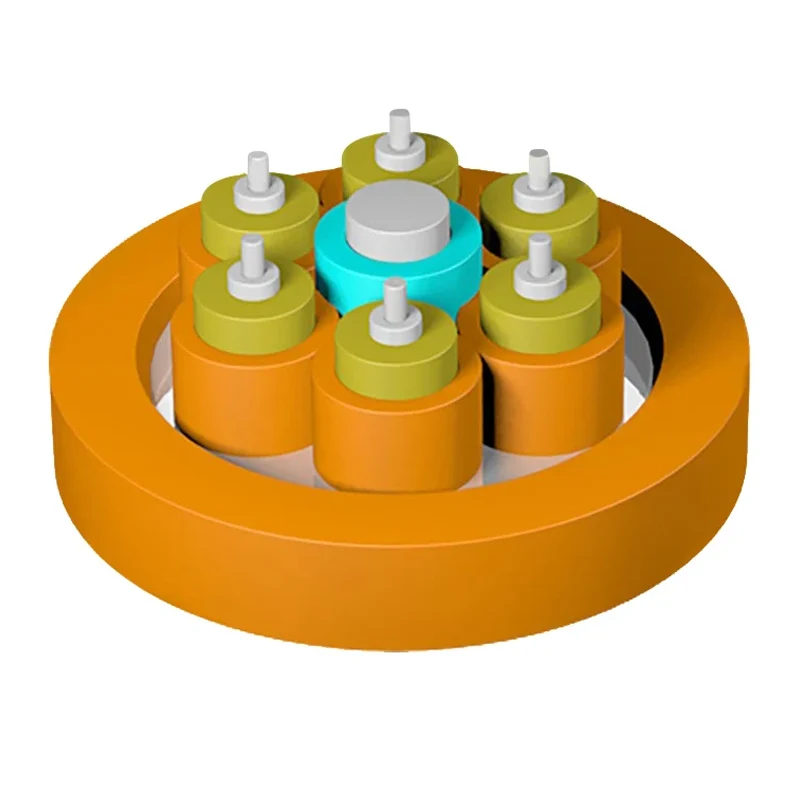
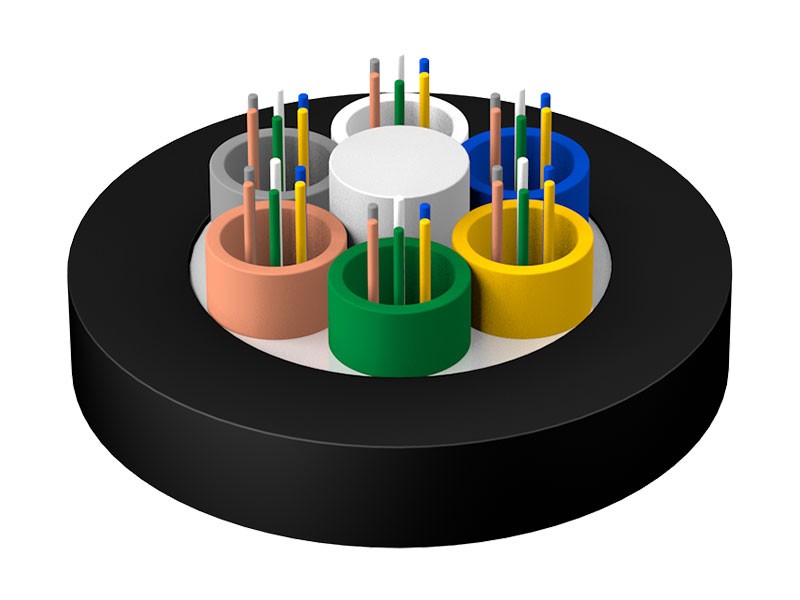
Stranded loose tube armored fiber optic cable is specifically designed to withstand harsh environmental conditions while ensuring reliable optical performance. Unlike standard fiber cables, these cables incorporate loose buffer tubes that protect fibers from stress, and an armored layer for mechanical protection. Xuben’s stranded loose tube armored fiber optic cables are widely used in outdoor installations where robustness and flexibility are crucial.


Key Features and Advantages

  • Enhanced Durability: The armored design protects against rodent attacks, crushing, and external impact.
  • Flexibility: Stranded design allows the cable to bend and adapt to various installation scenarios.
  • Environmental Resistance: Resistant to water, UV radiation, and extreme temperatures.
  • High Fiber Count: Can accommodate multiple fibers for large-scale network deployments.
  • Long-Term Reliability: Ensures minimal signal loss over extended distances.

Types of Stranded Loose Tube Armored Fiber Optic Cables

There are several variations based on the fiber type, armor material, and core configuration:

  • Single-mode fiber armored cable
  • Multi-mode fiber armored cable
  • Double-jacket armored cable for additional protection
  • Corrugated steel tape (CST) armored cable for harsh outdoor conditions

Applications in Modern Networking

Stranded loose tube armored fiber optic cables are used in various industries and scenarios:

  • Telecommunication backbone networks
  • Data centers and enterprise networking
  • Power and utility communication systems
  • Outdoor fiber optic deployments like metro and long-haul networks
  • Industrial automation and smart city infrastructure

Installation Guidelines

Proper installation ensures optimal performance and longevity of stranded loose tube armored fiber optic cables. Xuben recommends the following:

  • Use appropriate cable trays and conduits to prevent excessive bending.
  • Ensure proper grounding for armored cables to reduce electrical interference.
  • Maintain minimum bending radius during pulling and installation.
  • Seal cable ends properly to prevent moisture ingress.
  • Follow manufacturer instructions for splicing and termination.

Maintenance and Troubleshooting

Regular maintenance of stranded loose tube armored fiber optic cables can prevent downtime and extend lifespan:

  • Periodic inspection for physical damage or armor degradation.
  • Clean fiber connectors to prevent signal loss.
  • Monitor network performance for early detection of fiber issues.
  • Use specialized OTDR testing to locate faults efficiently.
  • Replace damaged sections promptly to avoid network disruption.

Comparison Table with Other Fiber Optic Cables

Feature Stranded Loose Tube Armored Standard Loose Tube Ribbon Fiber Cable
Mechanical Protection High (Steel Armor) Moderate Low
Flexibility High Medium Low
Environmental Resistance Excellent Good Moderate
Installation Scenarios Outdoor/Industrial Outdoor/Indoor Indoor/Data Center
Cost Moderate to High Low to Moderate Moderate

Frequently Asked Questions

1. What is the difference between stranded loose tube armored fiber optic cable and standard fiber optic cable?

The stranded loose tube armored cable provides enhanced mechanical protection and flexibility due to its armored layer and stranded design, making it suitable for harsh environments, whereas standard fiber optic cables may lack such protection.

2. Can stranded loose tube armored fiber optic cables be used indoors?

While they are primarily designed for outdoor and industrial applications, they can be used indoors in areas requiring high durability or additional protection.

3. How does Xuben ensure the quality of their stranded loose tube armored cables?

Xuben employs strict manufacturing standards, advanced quality testing, and high-grade materials to ensure the reliability and performance of each cable.

4. What is the typical lifespan of a stranded loose tube armored fiber optic cable?

With proper installation and maintenance, these cables can last 20-25 years, maintaining high optical performance throughout their lifespan.

5. Are these cables suitable for high-density fiber networks?

Yes, stranded loose tube armored fiber optic cables support high fiber counts and are ideal for backbone and high-density deployments.


Conclusion

The stranded loose tube armored fiber optic cable stands out as a robust and versatile solution for modern networking needs, offering exceptional protection, flexibility, and long-term reliability. Xuben’s high-quality cables ensure seamless data transmission even in demanding outdoor and industrial environments. For businesses and network engineers seeking dependable fiber optic infrastructure, investing in Xuben’s stranded loose tube armored fiber optic cables is a smart choice. Contact us today to learn more about our products and how they can enhance your network performance.

Related News
Leave me a message
X
We use cookies to offer you a better browsing experience, analyze site traffic and personalize content. By using this site, you agree to our use of cookies. Privacy Policy
Reject Accept