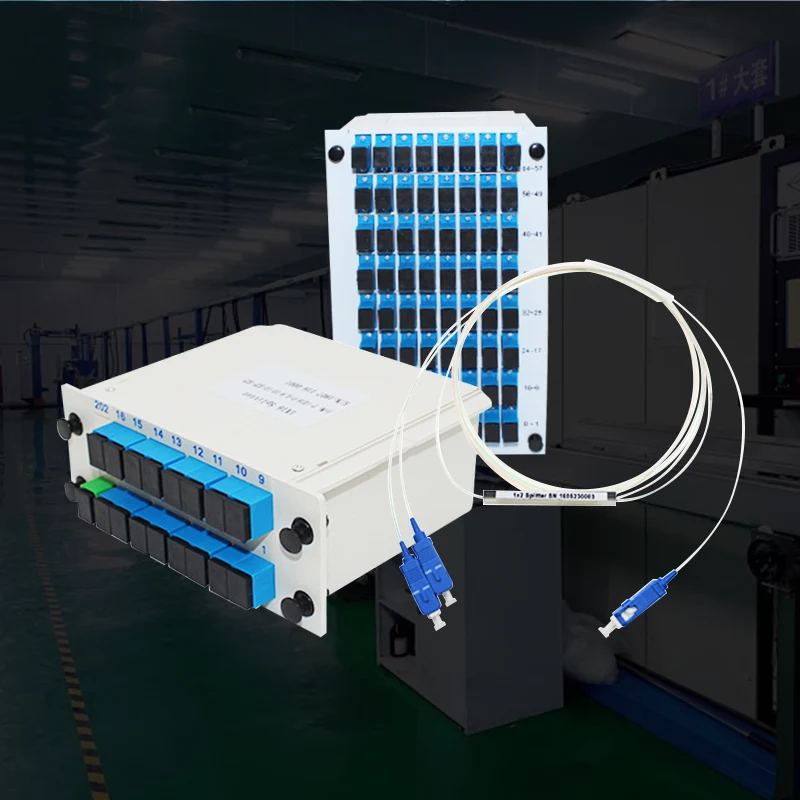
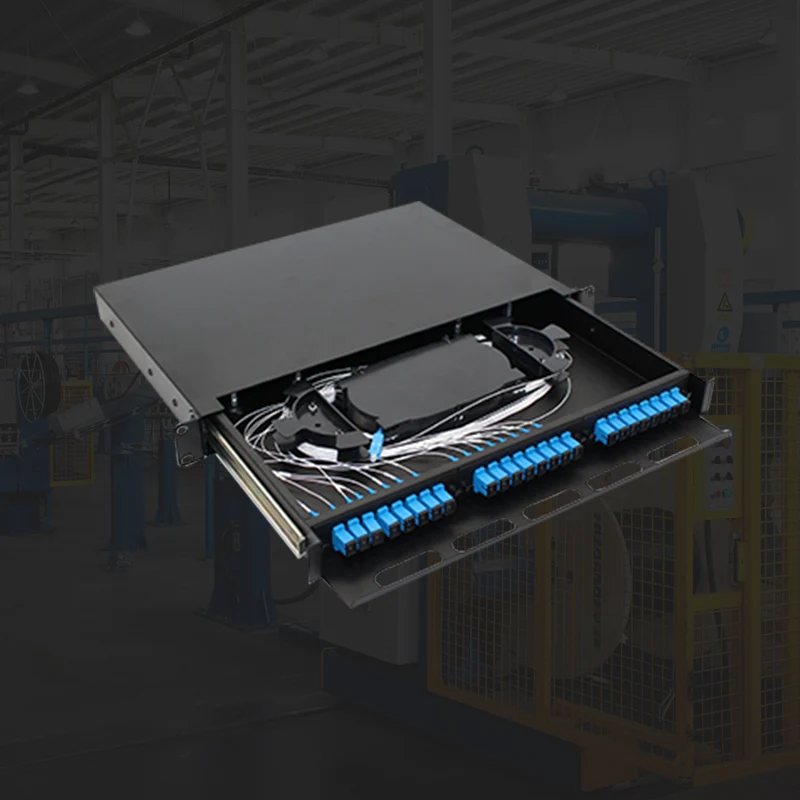
Fiber optic networks have become the foundation of modern communication systems, supporting everything from internet services and data centers to telecommunications and enterprise networks. Behind these high-speed connections are many small but important components, including fiber Patch Cord and Pigtail.
Although they may look similar, patch cords and pigtails serve different purposes in fiber optic installations. Understanding their differences helps engineers, installers, and network users build more reliable and efficient optical communication systems.
So, what exactly are fiber patch cords and pigtails, and how do they work together in modern networks?
What Is a Fiber Patch Cord?
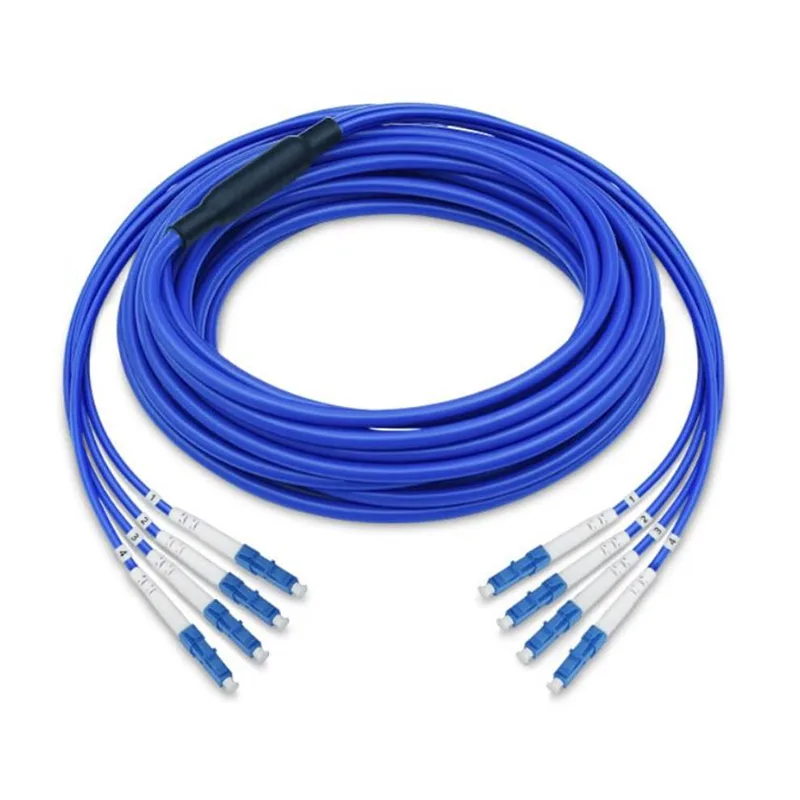
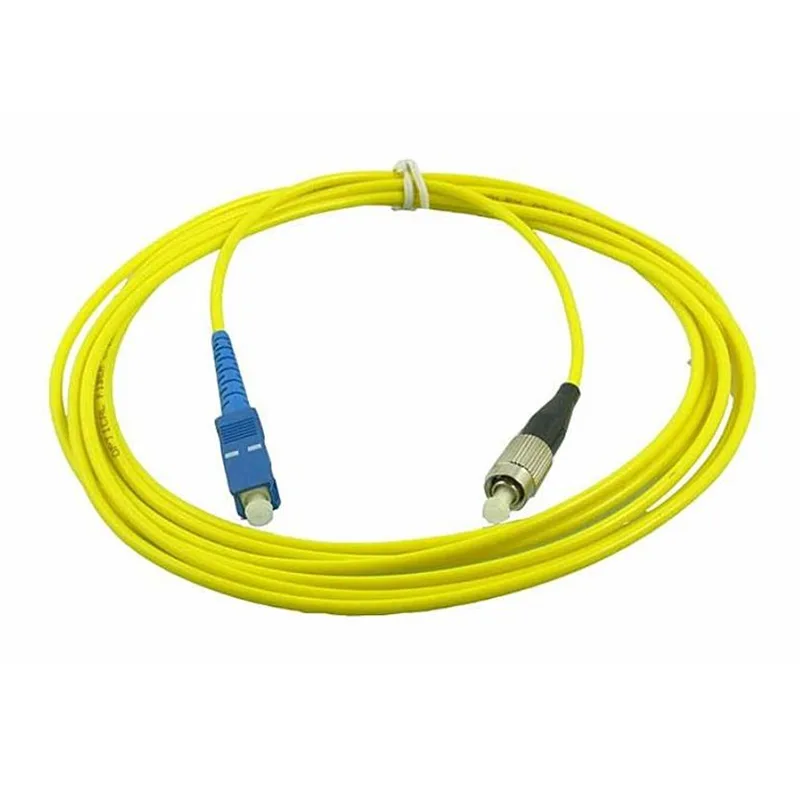
A fiber patch cord is a fiber optic cable with connectors installed on both ends. It is mainly used to connect optical devices, network equipment, and fiber distribution systems.
Because both ends already have connectors, patch cords can be installed quickly without additional splicing work.
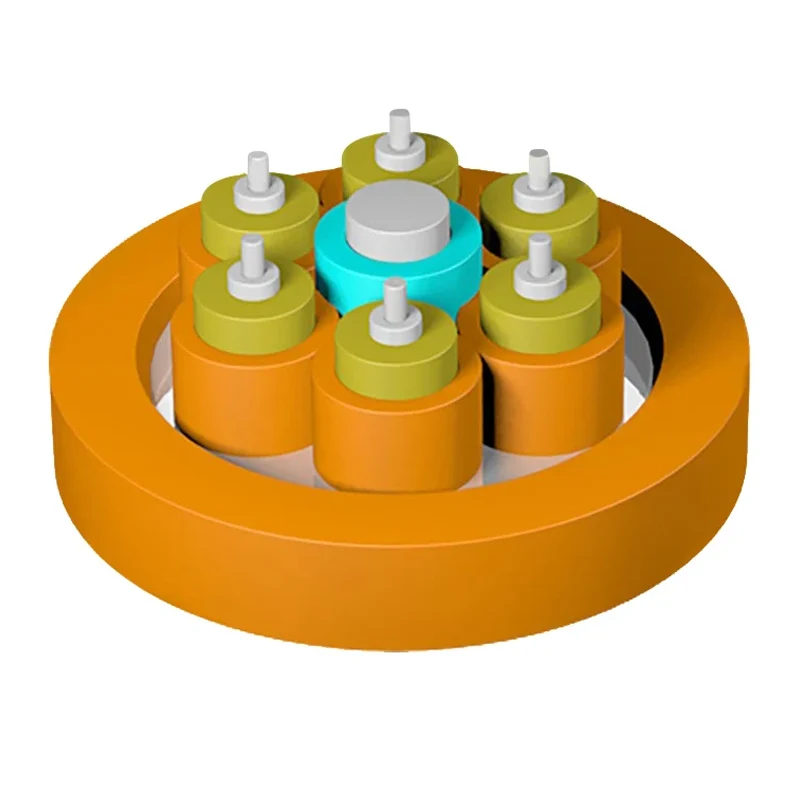
A typical fiber patch cord includes:
Fiber optic cable
Protective jacket
Fiber connectors on both ends
Reinforcement structure
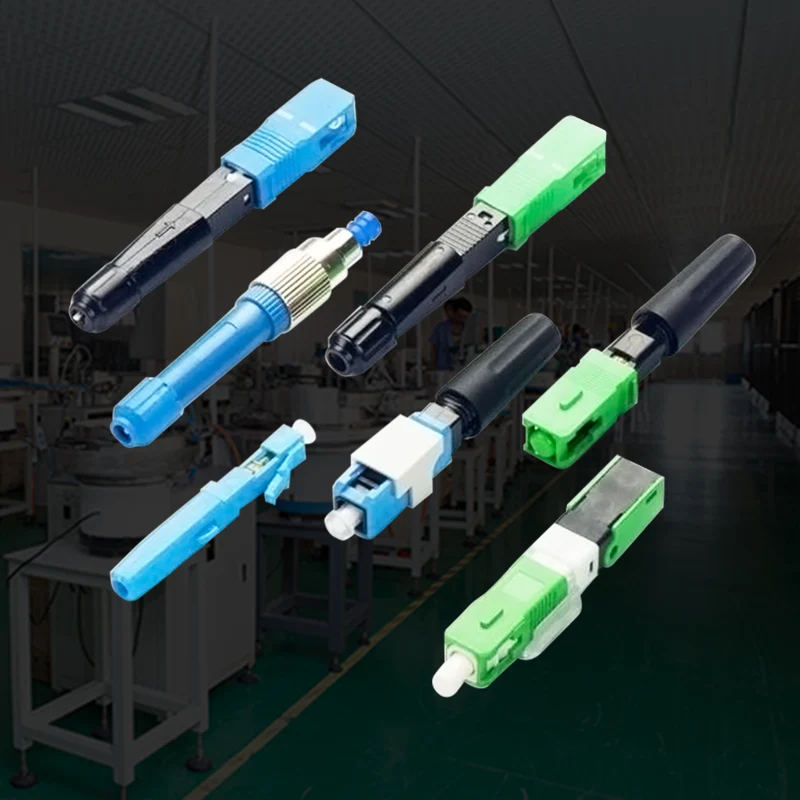
Common connector types include:
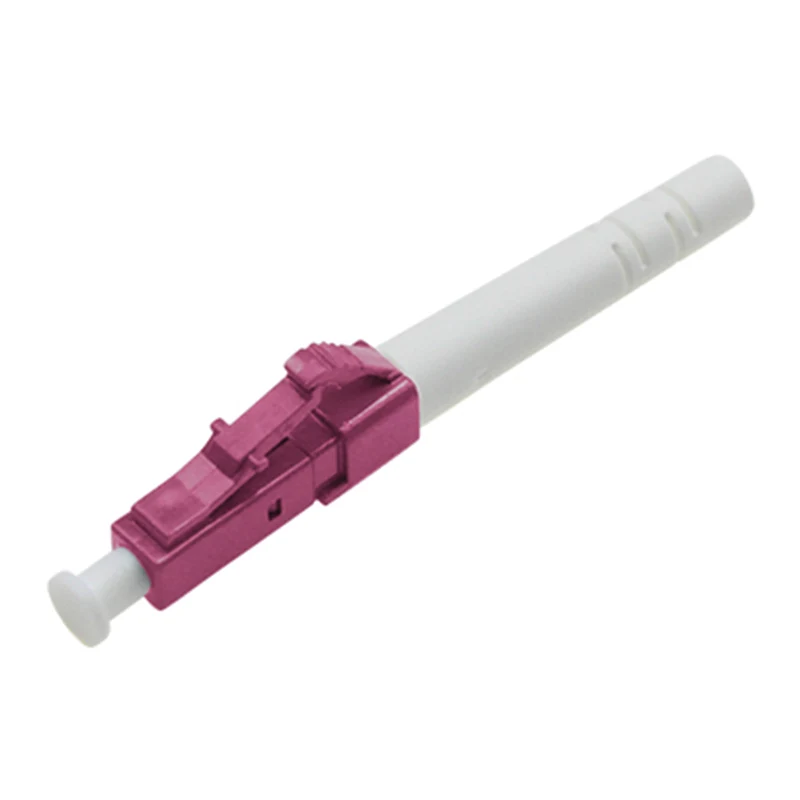
LC connector
SC connector
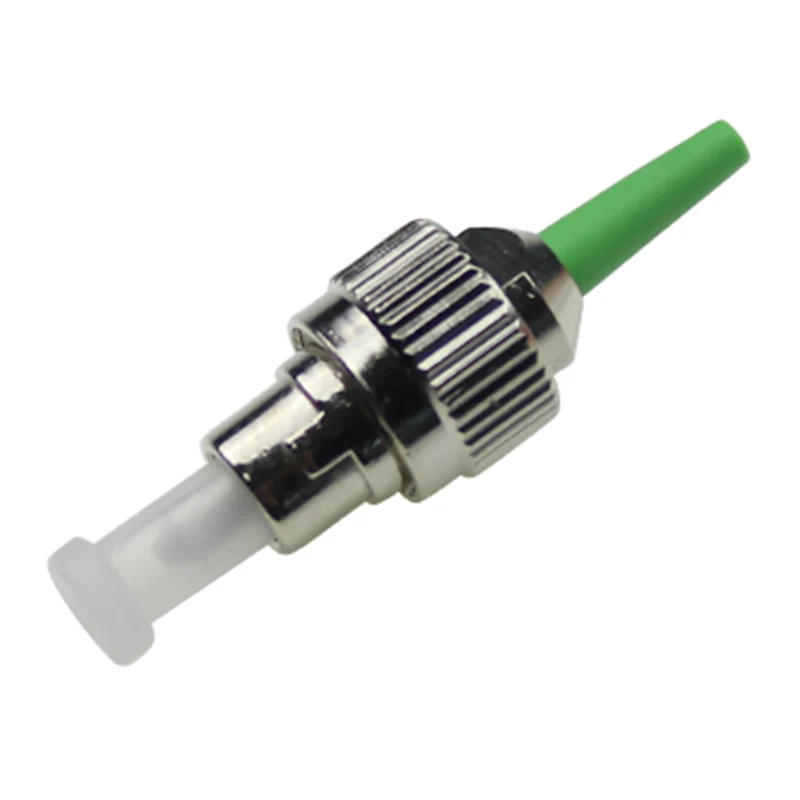
FC connector
ST connector
What Is a Fiber Pigtail?
A fiber pigtail is a short fiber optic cable with a connector installed on only one end, while the other end contains exposed fiber for splicing.
Unlike patch cords, pigtails are commonly used inside fiber termination boxes, optical distribution frames, and splice trays.
A fiber pigtail usually consists of:
One pre-installed fiber connector
Exposed fiber end for fusion splicing
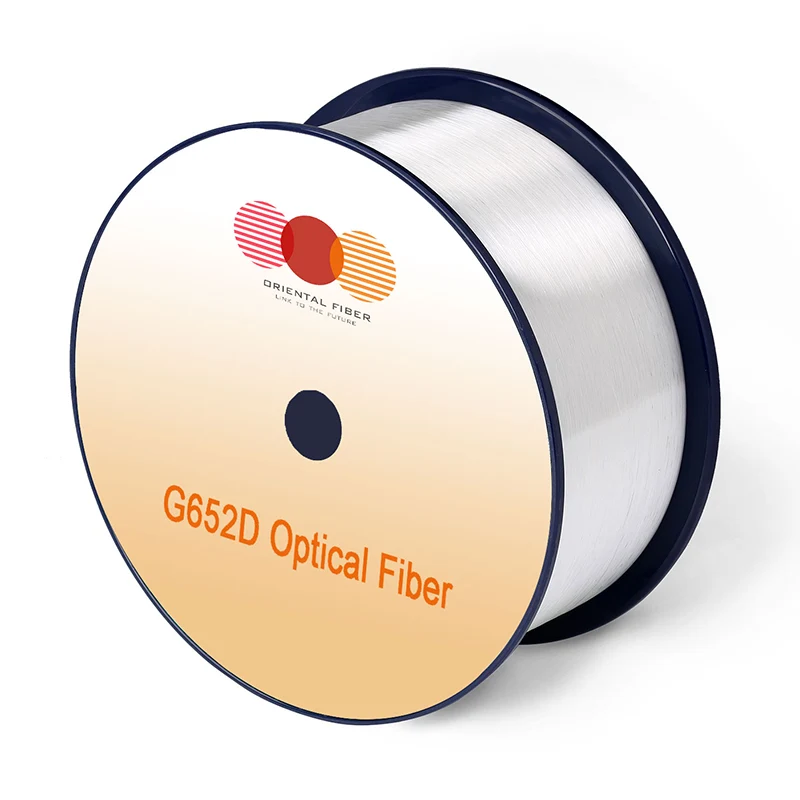
Protective fiber coating
Outer jacket
The exposed fiber allows technicians to connect it permanently to incoming optical cables through fusion splicing.
How Do Patch Cords and Pigtails Work?
Working Principle of Fiber Patch Cord
Patch cords provide a flexible connection between two optical ports.
The connection process is simple:
Optical device
↓
Fiber connector
↓
Patch cord
↓
Another optical device
This makes patch cords ideal for equipment connections that may need frequent installation or replacement.
Working Principle of Fiber Pigtail
Pigtails are designed for permanent fiber termination.
The basic process is:
Fiber cable preparation
↓
Pigtail fusion splicing
↓
Protection inside splice tray
↓
Connection to optical equipment
Patch Cord vs Pigtail: Key Differences
Feature
Patch Cord
Pigtail
Connector
Connectors on both ends
Connector on one end only
Main Connection Method
Plug-and-play connection
Fusion splicing connection
Installation
Quick installation
Requires professional splicing
Application
Equipment connection
Fiber termination and distribution
Flexibility
Easy to replace or move
Designed for fixed installation
Common Location
Data centers, racks, network equipment
Fiber boxes, splice trays, ODF systems
How Are Patch Cords and Pigtails Used Together?
In many fiber optic networks, patch cords and pigtails work together rather than replacing each other.
A common fiber connection process is:
External fiber cable
↓
Pigtail splicing inside fiber distribution box
↓
Fiber adapter panel
↓
Patch cord connection
↓
Network equipment
This combination creates a stable connection while keeping equipment connections easy to manage.
Why Are Fiber Pigtails Important in Fiber Networks?
Fiber pigtails play an important role in protecting and organizing optical connections.
Their advantages include:
Reliable permanent connections
Reduced signal loss through proper splicing
Better fiber management
Easy integration into distribution systems
Why Are Fiber Patch Cords Widely Used?
Patch cords are popular because they provide convenient and flexible connections.
Their benefits include:
Fast installation
Easy maintenance
Simple equipment replacement
Suitable for different network layouts
Types of Fiber Patch Cords and Pigtails
Single Mode Fiber Patch Cord and Pigtail
Single mode fiber products are commonly used for long-distance transmission, telecommunications, and high-speed network connections.
Multimode Fiber Patch Cord and Pigtail
Multimode fiber products are often used in shorter-distance applications such as enterprise networks and data centers.
Connector Options
Connector Type
Common Applications
LC
High-density data center connections
SC
Telecommunications and general fiber networks
FC
Industrial and precision applications
ST
Traditional fiber network systems
How to Choose Between Patch Cord and Pigtail?
The choice depends mainly on the network structure and installation requirements.
Requirement
Recommended Solution
Connecting network equipment
Fiber Patch Cord
Fiber cable termination
Fiber Pigtail
Data center rack connections
Patch Cord
Permanent fiber distribution
Pigtail
The Future Development of Fiber Connection Technology
As internet speeds continue to increase, fiber optic connection technology is developing toward higher density, better reliability, and easier installation.
Future trends may include:
Higher-speed optical networks
Compact fiber connection designs
Improved connector technology
More efficient fiber management systems
Conclusion
Fiber Patch Cord and Pigtail are both essential components in modern optical networks, but they serve different roles. Patch cords provide flexible equipment connections, while pigtails are mainly used for permanent fiber termination through splicing.
Understanding the difference between these two components helps network designers and technicians create more reliable and efficient fiber optic systems.
Although they are small parts of a larger communication system, patch cords and pigtails play an important role in keeping global digital connections stable and fast.
We use cookies to offer you a better browsing experience, analyze site traffic and personalize content. By using this site, you agree to our use of cookies.Privacy Policy