Unmanned aerial vehicles are rapidly transforming industries such as defense, emergency rescue, border patrol, power inspection, and disaster response. However, as UAV applications become more complex and mission durations increase, traditional wireless communication systems often face limitations in bandwidth, signal interference, latency, and security. The UAV Fiber Optic Roll Sky End Air Unit emerges as a powerful solution to these challenges. By integrating airborne fiber optic transmission with advanced roll-based deployment systems, it ensures ultra-stable, high-speed, and interference-free data communication between the UAV and the ground control station. This article explores its working principles, structural design, application scenarios, technical advantages, and how it addresses real-world operational pain points.
Traditional UAV communication relies heavily on radio frequency transmission. While effective for many scenarios, RF systems are vulnerable to electromagnetic interference, signal blocking, limited bandwidth, and potential interception. As UAV missions increasingly require ultra-high-definition video streaming, multi-sensor data integration, and secure command transmission, fiber optic tethered systems provide a superior alternative.
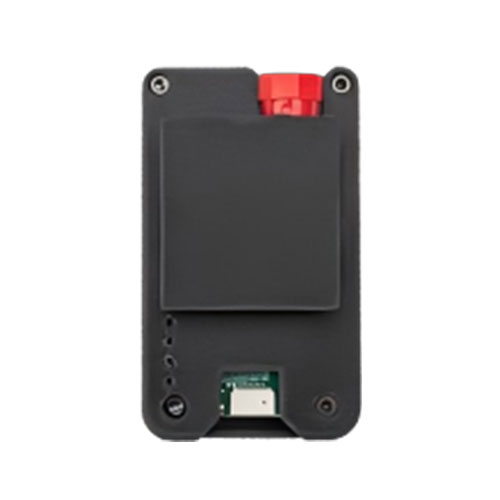
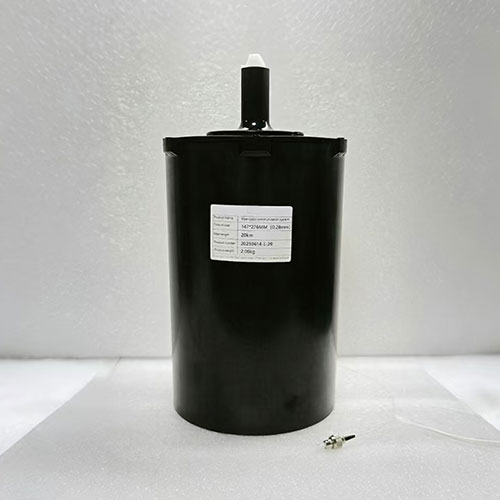
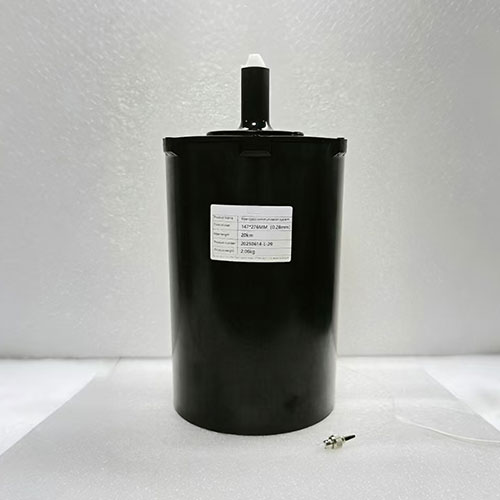
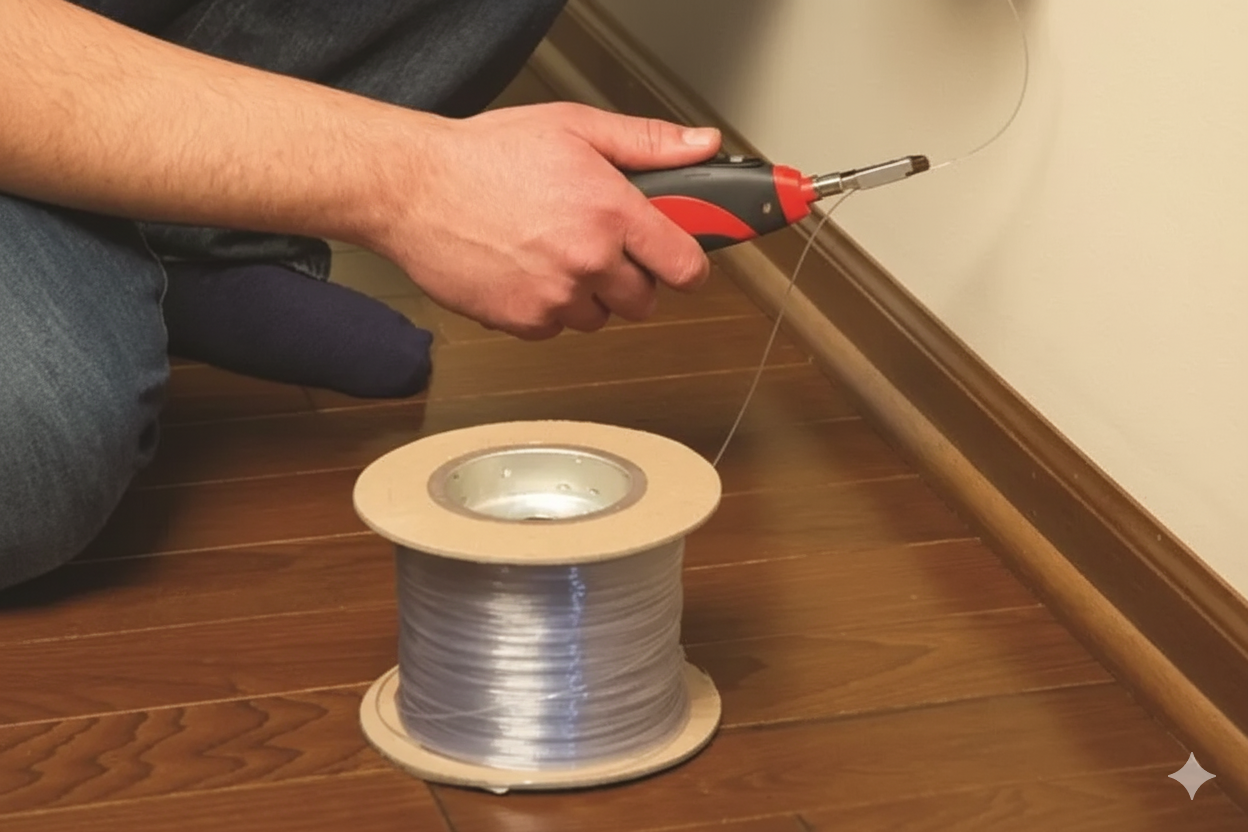
The UAV Fiber Optic Roll Sky End Air Unit is the airborne segment of a tethered fiber optic system. It connects the UAV to a ground-based fiber optic reel through a lightweight, high-strength fiber cable. This configuration enables continuous power supply (in some configurations) and stable high-bandwidth communication without relying on conventional wireless links.
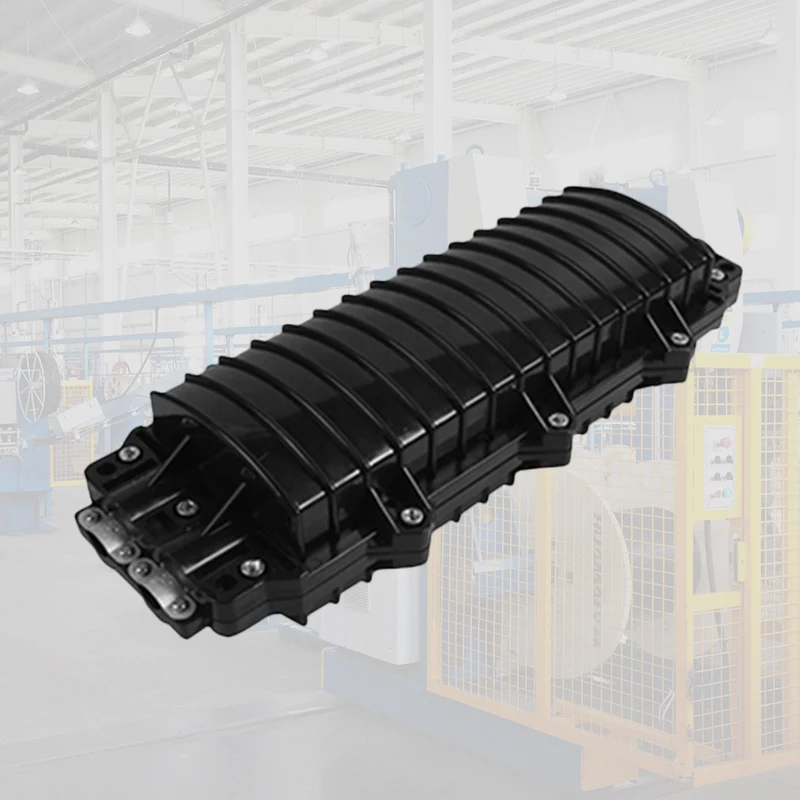
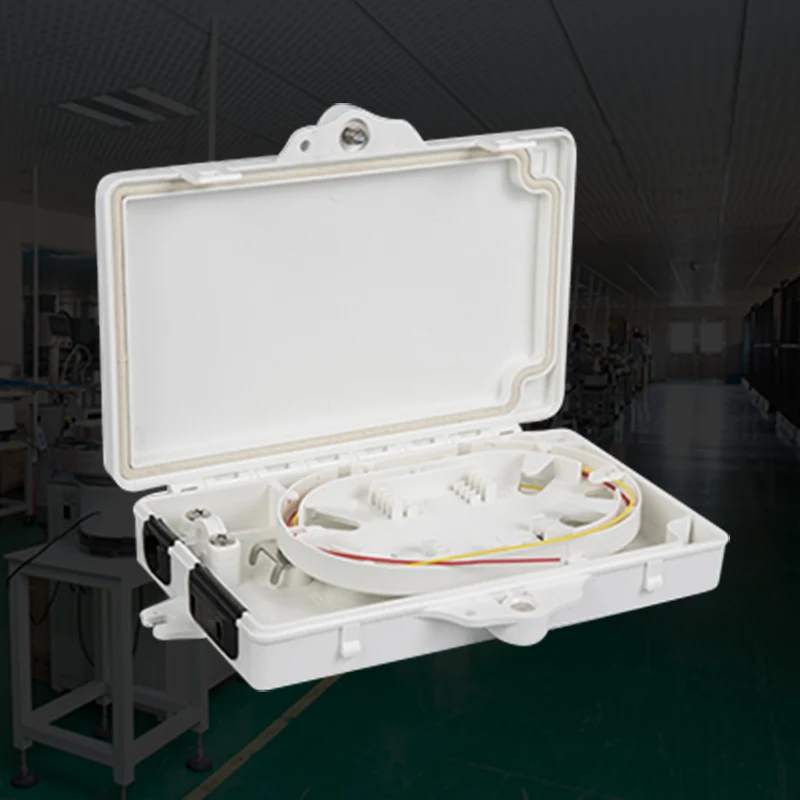
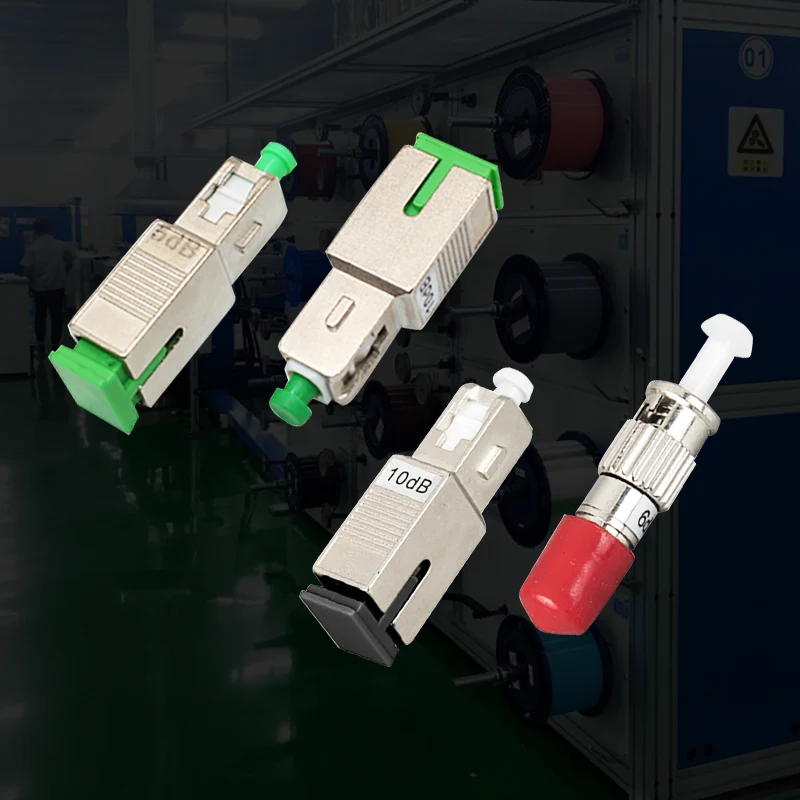
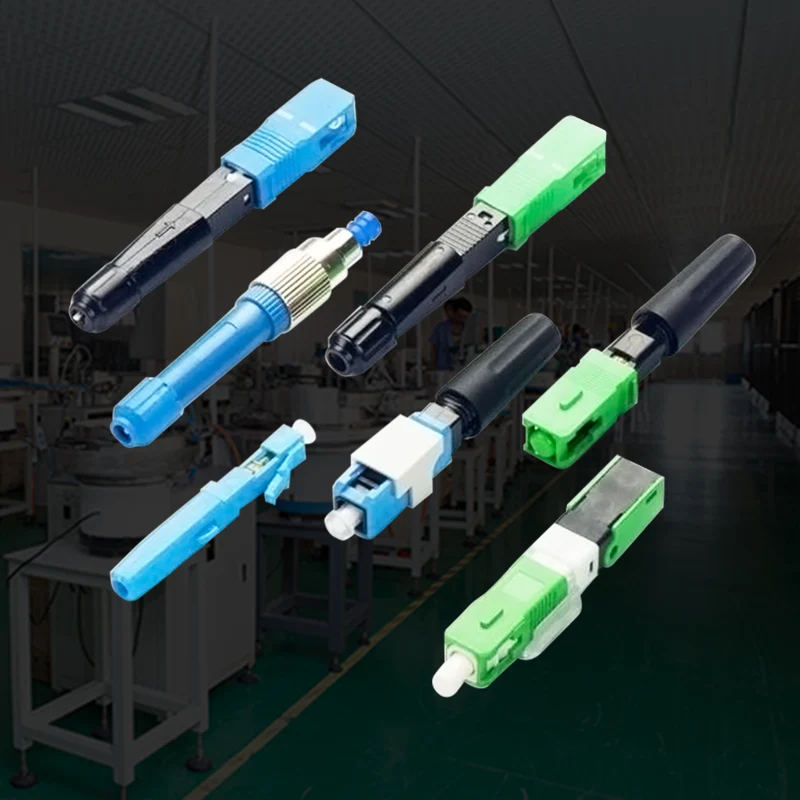
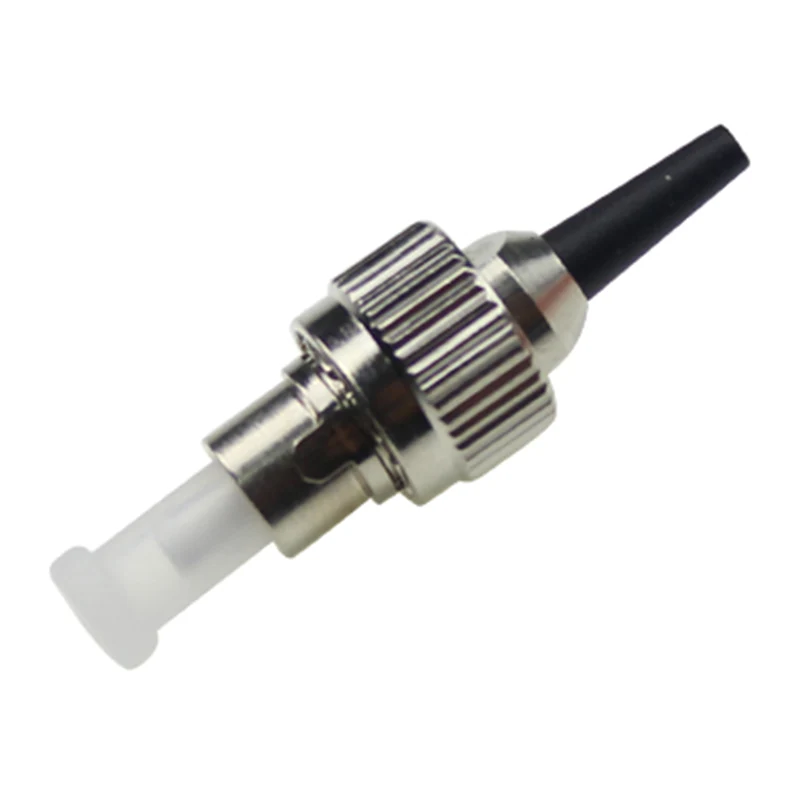
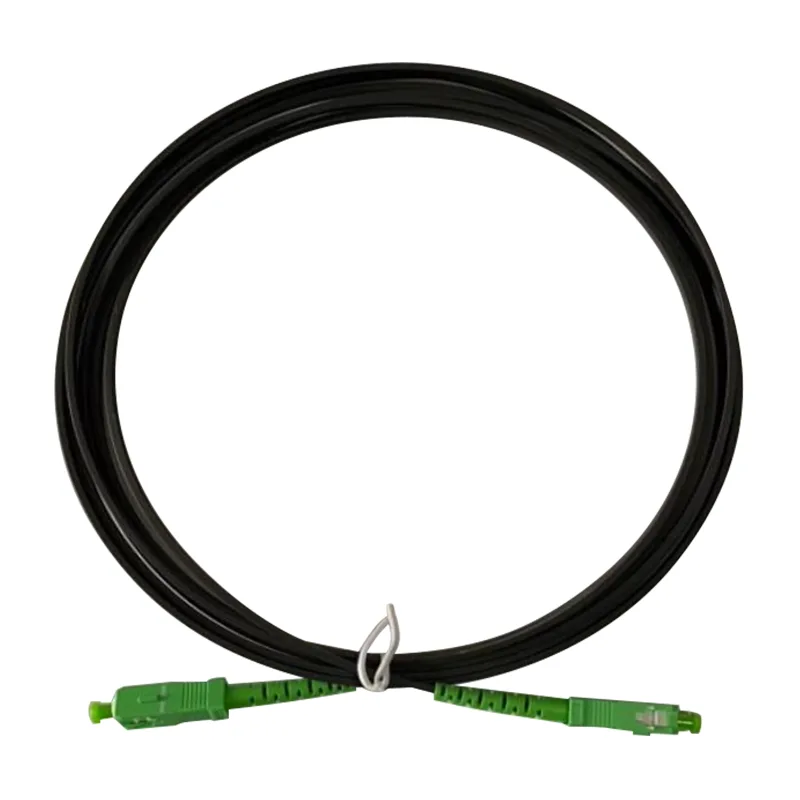
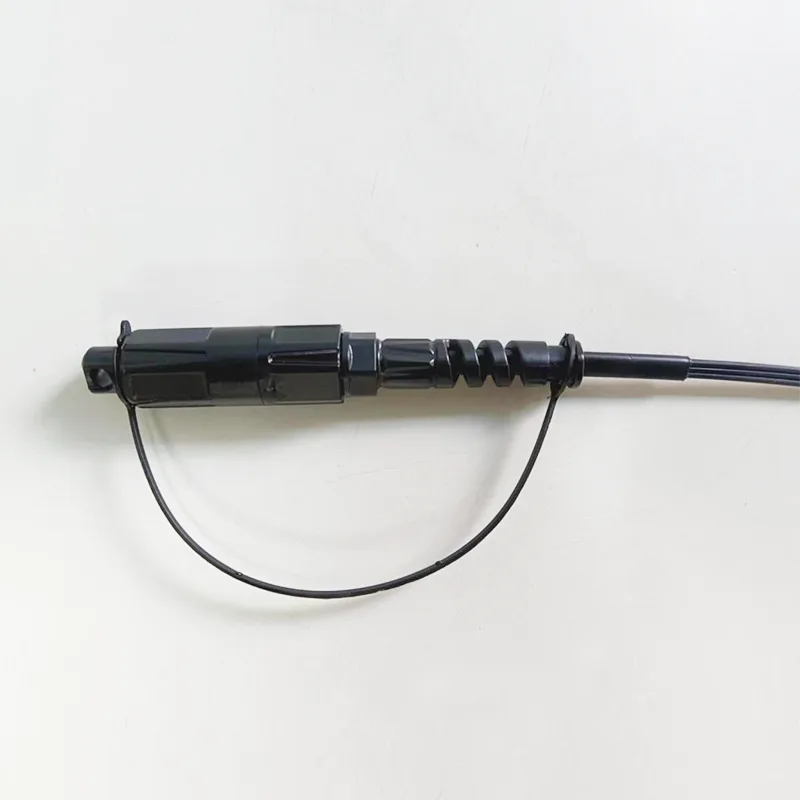
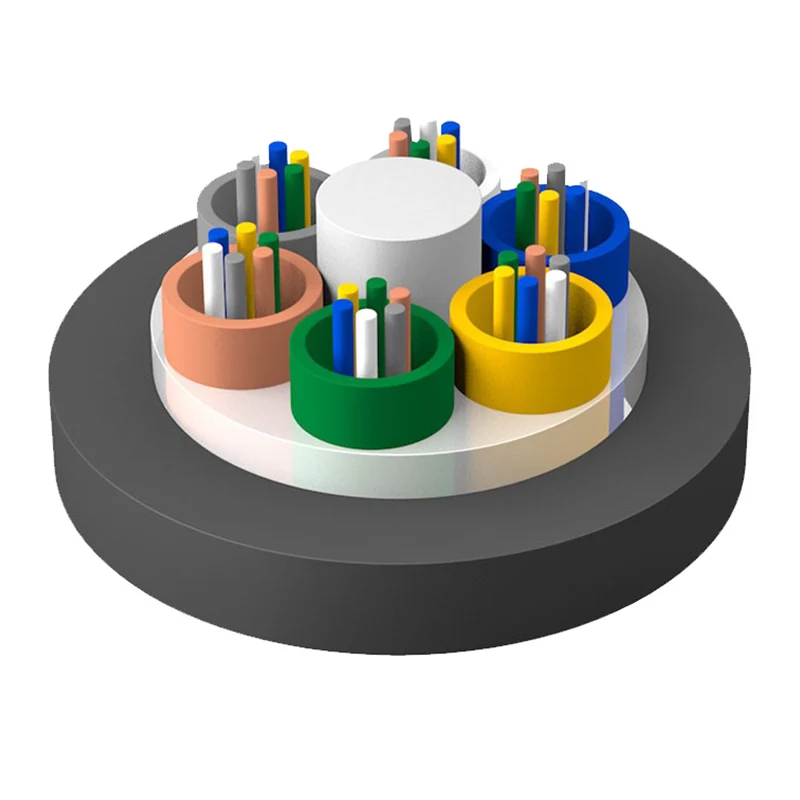
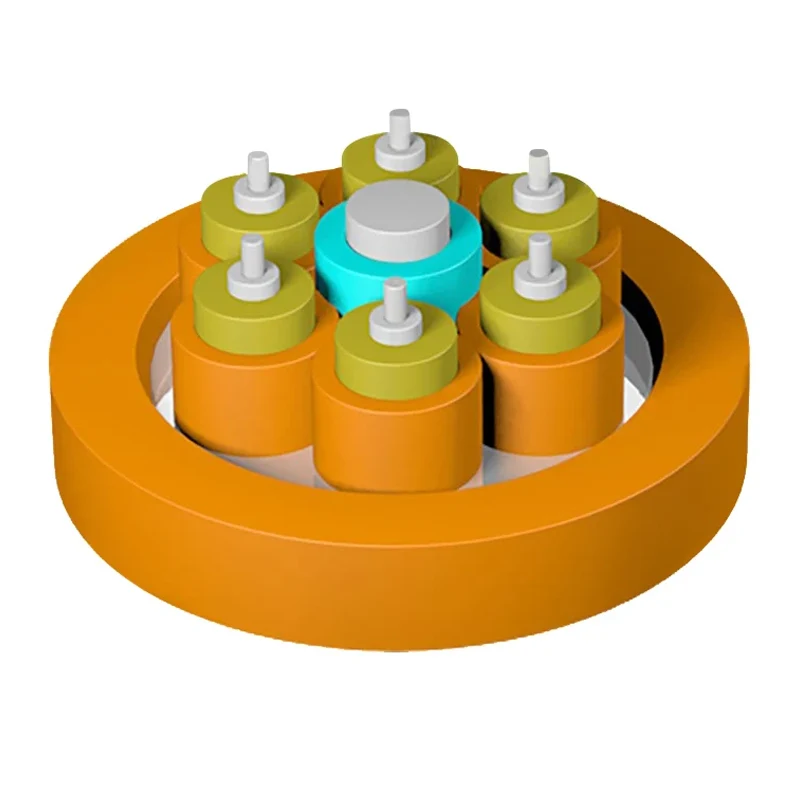
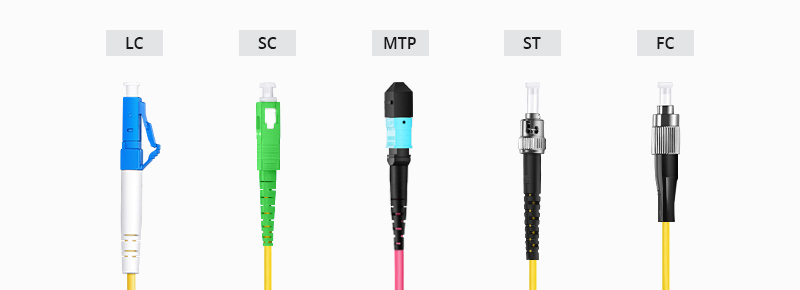
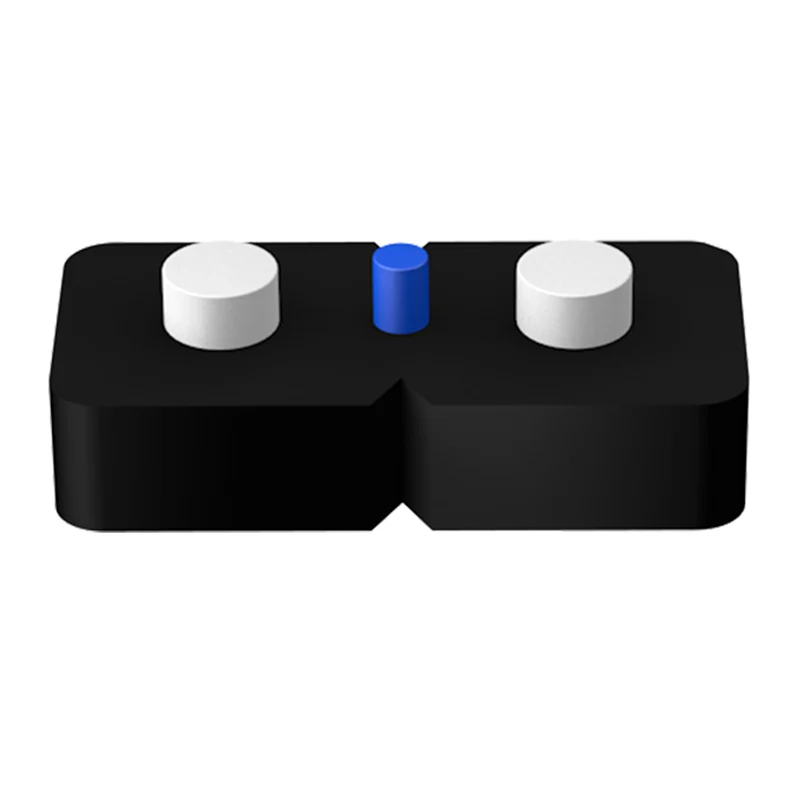
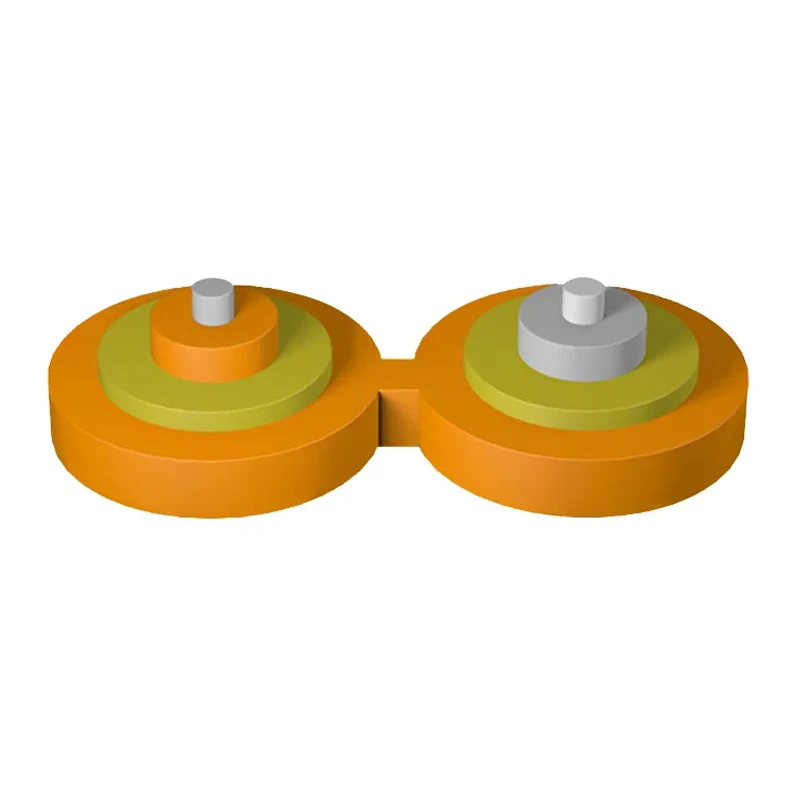
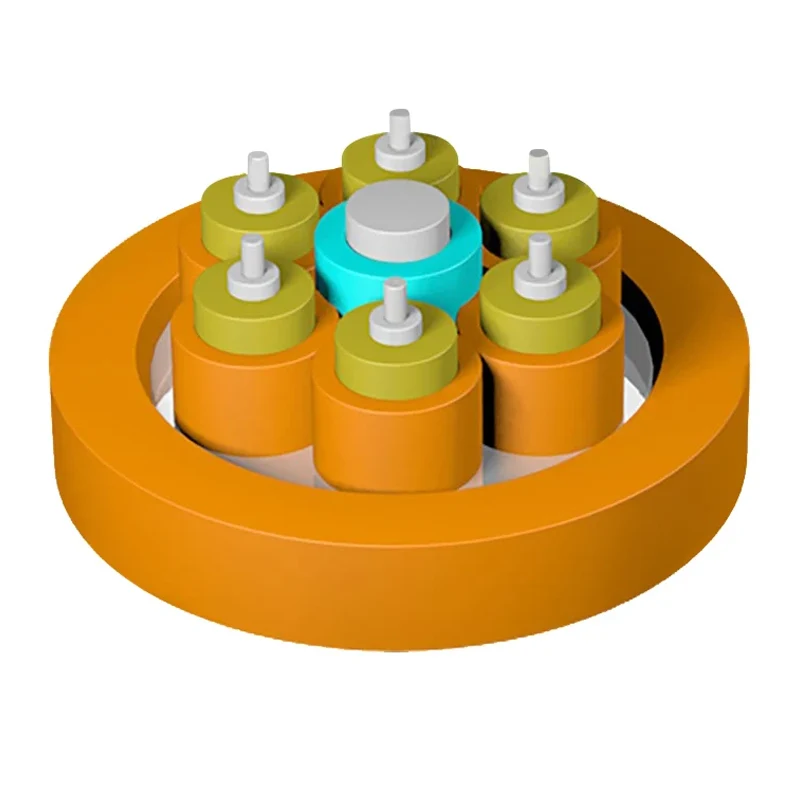
The Roll Sky End Air Unit typically consists of the following integrated components:
Each component is optimized for weight reduction, signal integrity, and mechanical reliability to meet demanding flight conditions.
During deployment, the UAV ascends while the ground-based reel releases fiber cable in synchronization with flight speed. The airborne Roll Sky End Air Unit maintains stable optical signal transmission throughout the mission.
The operational process includes:
This closed-loop design ensures zero signal drop and stable high-speed communication even in complex electromagnetic environments.
| Feature | Fiber Optic Roll Sky End | Traditional RF System |
|---|---|---|
| Signal Stability | Immune to EMI interference | Prone to signal interference |
| Bandwidth | Ultra-high (supports HD/4K/8K) | Limited bandwidth |
| Security | Physically secure transmission | Vulnerable to interception |
| Latency | Extremely low | Variable latency |
| Environmental Impact | Stable in harsh EM environments | Affected by obstacles |
For mission-critical operations such as military reconnaissance or disaster communication, these advantages significantly enhance operational reliability.
These parameters can be adjusted according to UAV platform size and mission requirements.
The UAV Fiber Optic Roll Sky End Air Unit supports a wide range of professional sectors:
In emergency scenarios where RF congestion is common, fiber-based systems maintain uninterrupted communication channels.
Customers frequently encounter the following challenges:
The UAV Fiber Optic Roll Sky End Air Unit directly addresses these issues by providing:
Professional manufacturers like :contentReference[oaicite:0]{index=0} offer tailored solutions based on UAV model, payload capacity, and mission scope.
Jiangsu Xuben Photoelectric Technology Co., Ltd. focuses on precision optical transmission systems, ensuring consistent performance through advanced quality control and material selection.
The airborne unit is engineered for extreme environments. Key protective features include:
These characteristics ensure long-term reliability even under harsh operational conditions such as coastal storms or desert deployments.
Selecting a trusted manufacturing partner is critical for mission success. Jiangsu Xuben Photoelectric Technology Co., Ltd. emphasizes:
With extensive experience in fiber optic transmission systems, the company ensures every UAV Fiber Optic Roll Sky End Air Unit meets rigorous operational standards.
Q1: Does the fiber cable restrict UAV mobility?
The system is designed for vertical tethered operations. While horizontal range is limited by tether length, it enables extended hovering without signal degradation.
Q2: What happens if the fiber cable experiences tension overload?
Advanced tension monitoring systems reduce risk. Emergency release mechanisms can also be integrated.
Q3: Can this system replace wireless transmission entirely?
For secure and high-bandwidth missions, yes. Some users deploy hybrid systems combining both fiber and RF redundancy.
Q4: Is customization available for different UAV sizes?
Yes. Module size, weight, and cable specifications can be tailored according to UAV payload limits.
Q5: How long can the UAV stay airborne?
When integrated with continuous ground power supply systems, flight duration can be significantly extended beyond battery-only limitations.
The UAV Fiber Optic Roll Sky End Air Unit represents a major advancement in tethered UAV communication technology. By delivering interference-free transmission, ultra-high bandwidth, and superior security, it solves critical limitations associated with traditional wireless systems. From emergency response to military reconnaissance, this system ensures reliable data exchange in mission-critical environments.
With professional engineering expertise and customization capabilities, Jiangsu Xuben Photoelectric Technology Co., Ltd. continues to provide high-performance fiber optic airborne solutions tailored to diverse operational requirements.
If you are seeking a stable, secure, and high-bandwidth UAV communication solution, contact us today to discuss your project requirements and discover how our advanced fiber optic systems can elevate your aerial operations.