Fiber optic networks demand precision, durability, and stable performance. Among the many connection interfaces available, the SC Connectorhas become one of the most widely used solutions in telecommunications, data centers, FTTH installations, and industrial fiber systems. Choosing the wrong connector can result in signal loss, unstable transmission, frequent maintenance, and higher operational costs. This comprehensive guide explains what an SC Connector is, how it works, where it is used, and how to select the right one for your application. Whether you are an engineer, procurement manager, or installer, this article will help you make confident and informed decisions.
Article Summary
This in-depth guide explores the structure, types, working principles, advantages, and real-world applications of SC Connectors. It provides practical comparison tables, installation insights, maintenance recommendations, and selection advice tailored to customer pain points such as insertion loss, return loss, durability, and compatibility. The article also highlights manufacturing quality considerations and sourcing strategies from experienced suppliers like Jiangsu Xuben Photoelectric Technology Co., Ltd.
Table of Contents
1. What Is an SC Connector?
2. How Does an SC Connector Work?
3. What Are the Main Types of SC Connectors?
4. Why Is the SC Connector So Widely Used?
5. SC Connector vs Other Fiber Connectors
6. Key Technical Specifications You Must Understand
7. Common Customer Pain Points and Solutions
8. Installation and Maintenance Best Practices
9. How to Choose a Reliable SC Connector Supplier
10. Application Scenarios Across Industries
11. Frequently Asked Questions (FAQ)
1. What Is an SC Connector?
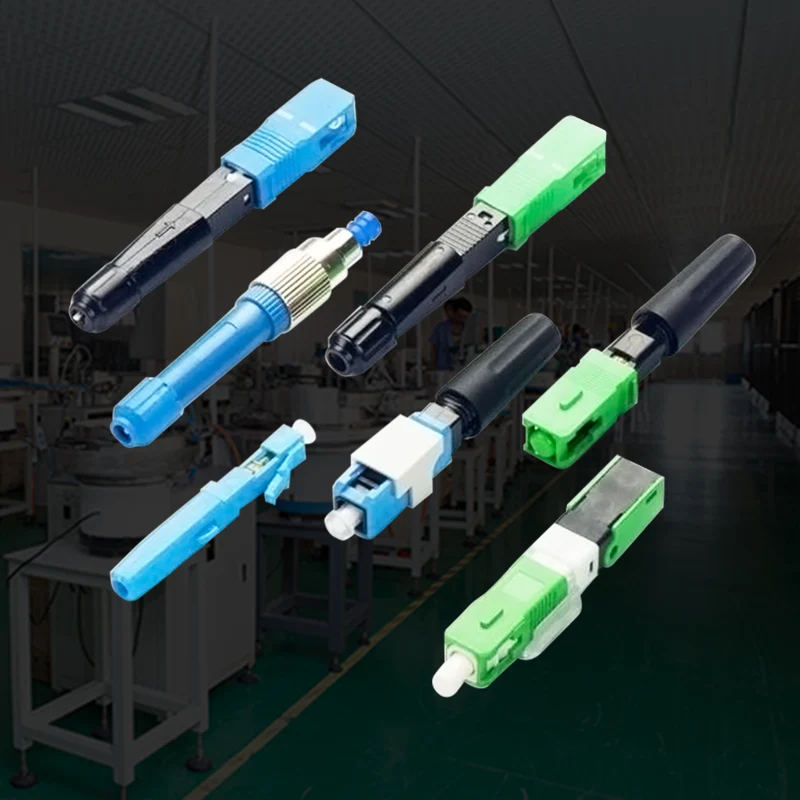
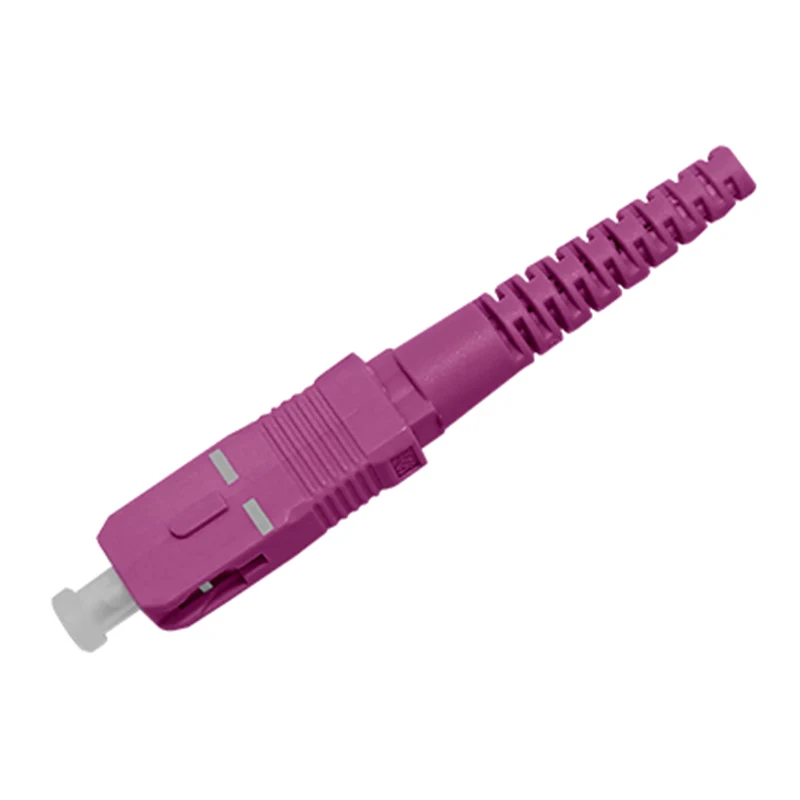
The SC Connector (Subscriber Connector or Square Connector) is a push-pull type fiber optic connector known for its square-shaped housing and snap-in locking mechanism. It uses a 2.5mm ferrule to align and connect optical fibers precisely, ensuring low insertion loss and stable optical performance.
Originally developed for telecommunications networks, the SC Connector quickly became an industry standard due to its reliability, ease of installation, and cost-effectiveness. Today, it is widely deployed in:
FTTH (Fiber to the Home) networks
Telecom backbone systems
Data centers
CATV networks
Industrial communication systems
Its simple push-pull mechanism reduces installation time and minimizes accidental disconnection, making it ideal for high-density environments.
2. How Does an SC Connector Work?
The SC Connector aligns two fiber cores inside a ceramic ferrule sleeve. When inserted into an adapter, the ferrule ends meet precisely, allowing light signals to pass with minimal loss.
Main Components:
Component
Function
Ceramic Ferrule (2.5mm)
Precisely aligns fiber cores
Connector Housing
Provides structural protection
Boot
Protects cable from bending stress
Latch Mechanism
Ensures secure push-pull locking
The ceramic ferrule is critical for maintaining low insertion loss and high return loss performance. High-quality manufacturers like Jiangsu Xuben Photoelectric Technology Co., Ltd. use precision zirconia ceramic ferrules to ensure consistent optical alignment.
3. What Are the Main Types of SC Connectors?
SC Connectors are classified by polishing type and fiber mode:
By Polish Type:
SC/UPC (Ultra Physical Contact) – Blue housing, low insertion loss
SC/APC (Angled Physical Contact) – Green housing, superior return loss
By Fiber Mode:
Single Mode (SM)
Multimode (MM)
Type
Insertion Loss
Return Loss
Typical Application
SC/UPC
≤0.3dB
≥50dB
General telecom, data networks
SC/APC
≤0.3dB
≥60dB
High-speed and CATV systems
For high-reflection-sensitive applications such as video transmission and long-distance communication, SC/APC is generally preferred.
4. Why Is the SC Connector So Widely Used?
Customers choose SC Connectors for several practical reasons:
Easy push-pull installation
Strong mechanical stability
Cost-effective manufacturing
Excellent repeatability
Compatible with standard adapters and patch panels
Unlike threaded connectors, SC’s snap-in design reduces installation time and lowers labor costs. In high-density telecom cabinets, this efficiency becomes critical.
5. SC Connector vs Other Fiber Connectors
Connector Type
Ferrule Size
Locking Mechanism
Best Use Case
SC
2.5mm
Push-pull
Telecom & FTTH
LC
1.25mm
Latch
High-density data centers
FC
2.5mm
Threaded
Vibration-prone environments
ST
2.5mm
Bayonet
Legacy networks
SC offers a balance between performance, ease of use, and affordability, making it a dependable standard solution.
6. Key Technical Specifications You Must Understand
Insertion Loss (IL)
Return Loss (RL)
Operating Temperature
Durability Cycles (≥1000 matings recommended)
Tensile Strength
Poor-quality connectors often result in unstable optical signals and increased network downtime. Partnering with experienced manufacturers such as Jiangsu Xuben Photoelectric Technology Co., Ltd. ensures strict quality control and consistent optical performance.
7. Common Customer Pain Points and Solutions
Pain Point
Cause
Solution
High insertion loss
Poor ferrule polishing
Choose precision-polished connectors
Signal reflection
Wrong connector type
Use SC/APC for sensitive systems
Loose connections
Low-quality housing
Select durable engineering-grade materials
Frequent maintenance
Dust contamination
Use protective caps and clean regularly
8. Installation and Maintenance Best Practices
Inspect ferrule end-face before installation
Use proper fiber cleaning tools
Avoid excessive bending radius
Store connectors with dust caps
Test insertion loss after installation
Regular inspection significantly extends the service life of fiber connections.
9. How to Choose a Reliable SC Connector Supplier
When selecting a supplier, consider:
Manufacturing experience
Quality testing procedures
Material standards
Customization capabilities
Global export experience
Jiangsu Xuben Photoelectric Technology Co., Ltd. specializes in high-performance fiber optic components, providing customized SC Connector solutions for telecom operators, distributors, and OEM clients worldwide.
10. Application Scenarios Across Industries
5G infrastructure
Broadband access networks
Enterprise LAN systems
Industrial automation
Surveillance systems
With the expansion of high-speed digital infrastructure, SC Connectors remain a reliable interface for stable optical connectivity.
11. Frequently Asked Questions (FAQ)
Q1: What is the difference between SC/APC and SC/UPC?
A: SC/APC has an angled 8-degree polished ferrule to reduce back reflection, while SC/UPC has a flat polished surface suitable for general applications.
Q2: Can SC Connectors be reused?
A: Yes, high-quality SC Connectors can withstand over 1000 mating cycles when properly maintained.
Q3: Are SC Connectors suitable for outdoor use?
A: Yes, when used with waterproof housings and protective enclosures.
Q4: What causes high insertion loss?
A: Misalignment, contamination, or poor polishing quality.
Q5: How do I ensure long-term reliability?
A: Choose certified manufacturers like Jiangsu Xuben Photoelectric Technology Co., Ltd., perform proper cleaning, and conduct regular testing.
Conclusion
The SC Connector remains one of the most dependable and widely adopted fiber optic interfaces in modern communication networks. Its simple design, stable performance, and cost-effectiveness make it ideal for telecom, FTTH, data center, and industrial applications. By understanding connector types, specifications, and installation best practices, you can significantly reduce signal loss, improve network stability, and minimize long-term maintenance costs.
If you are looking for high-quality SC Connector solutions with strict quality control, advanced manufacturing capability, and professional technical support, Jiangsu Xuben Photoelectric Technology Co., Ltd. is ready to support your project. Contact us today to discuss your requirements and discover how our reliable fiber optic solutions can strengthen your network performance. Contact us now for customized solutions and competitive quotations.
We use cookies to offer you a better browsing experience, analyze site traffic and personalize content. By using this site, you agree to our use of cookies.
Privacy Policy