In today’s rapidly evolving digital landscape, the demand for reliable, flexible, and high-performance fiber optic solutions is greater than ever. Among the many options available, Multi-Purpose Break-out Fiber Optic Cable stands out as a versatile and robust solution suitable for a wide range of applications.
This comprehensive guide explores what makes break-out fiber optic cables unique, their advantages, applications, technical specifications, installation tips, and how they compare to other fiber cable types. Whether you're a network engineer, contractor, or business owner, this article will help you understand why companies like Xuben rely on this solution for modern infrastructure.
What Is Multi-Purpose Break-out Fiber Optic Cable?
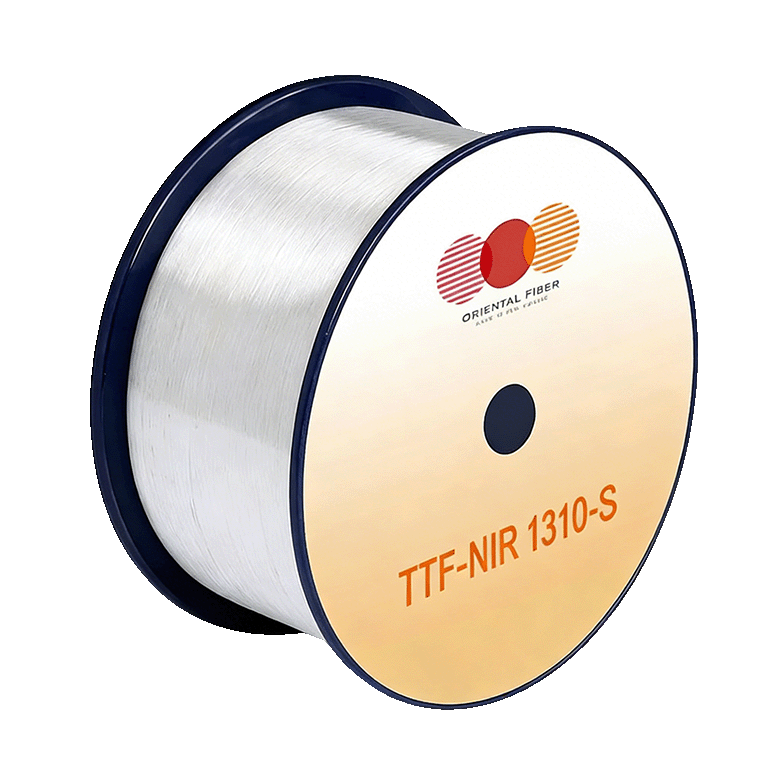
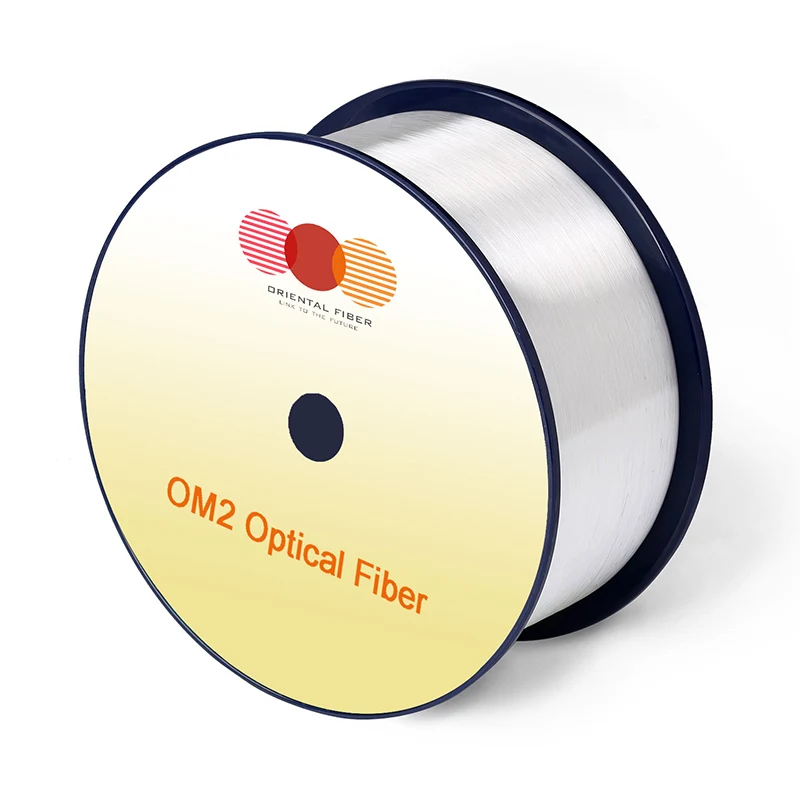
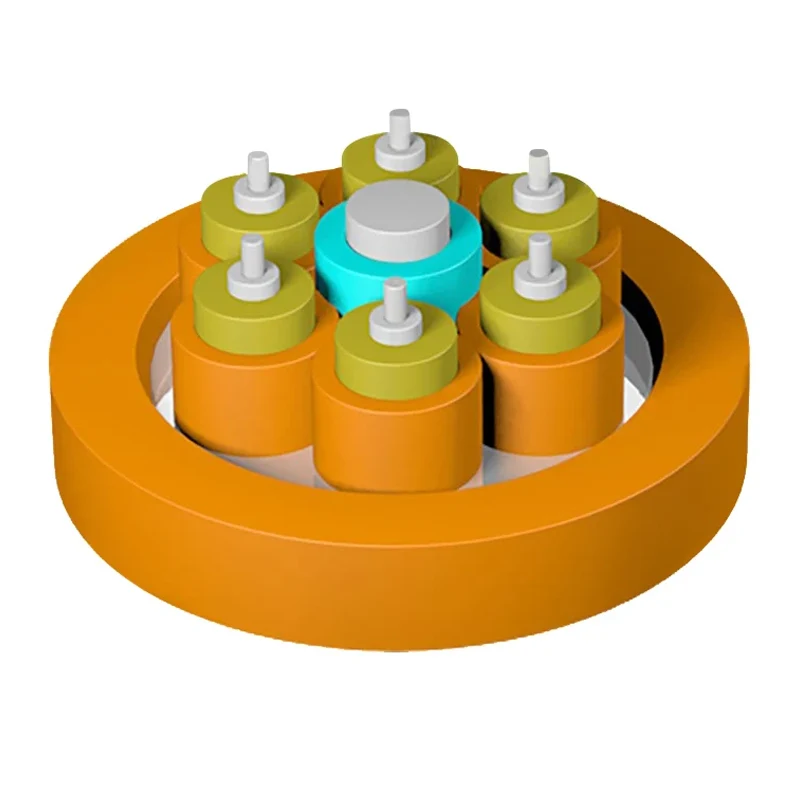
A Multi-Purpose Break-out Fiber Optic Cable is a type of fiber cable designed with multiple individually jacketed fibers bundled within a single outer sheath. Each fiber is protected with its own buffer and strength members, making it highly durable and easy to handle.
Unlike traditional distribution cables, break-out cables allow direct connector termination without the need for fan-out kits, which simplifies installation and reduces labor costs.
Each fiber is independently reinforced
Suitable for indoor and outdoor use
Highly flexible and rugged design
Easy to install and maintain
Key Features and Structure
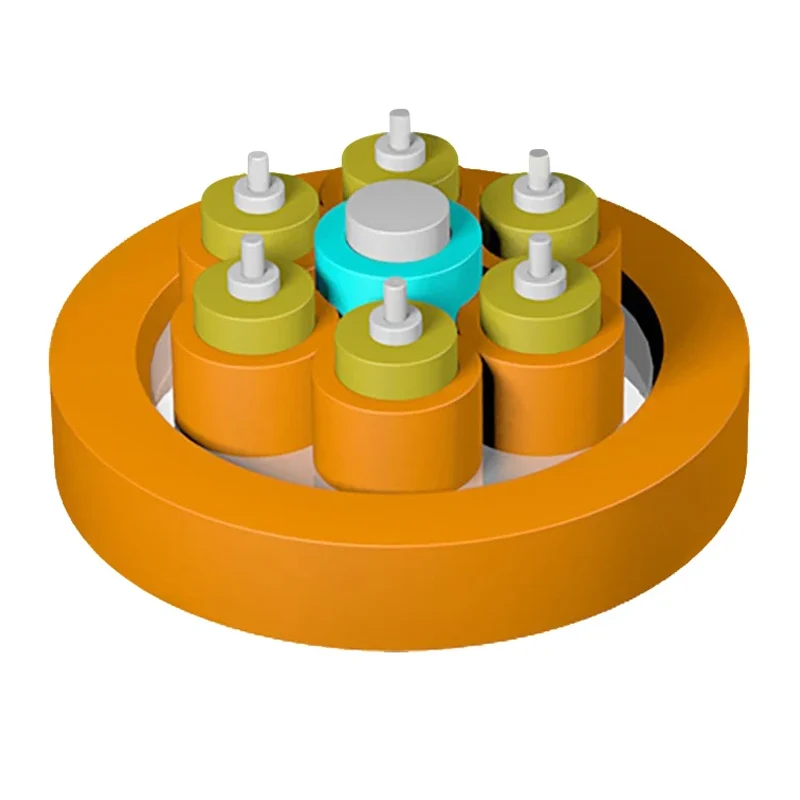
Understanding the internal structure of break-out fiber optic cables helps explain their performance advantages.
Core Components
Optical Fibers: Single-mode or multi-mode fibers for data transmission
Buffer Layer: Individual protection for each fiber
Strength Members: Aramid yarn or similar materials for tensile strength
Outer Jacket: Flame-retardant or weather-resistant sheath
Key Features
High mechanical strength
Excellent bending performance
Fire-resistant options available
Wide temperature tolerance
Direct connectorization capability
Advantages Over Other Fiber Cables
Break-out fiber cables offer several benefits that make them a preferred choice in demanding environments.
Ease of Installation: No need for additional fan-out kits
Durability: Stronger than distribution cables
Flexibility: Suitable for complex routing
Cost Efficiency: Lower labor and maintenance costs
Versatility: Works in multiple environments
Common Applications
Multi-purpose break-out fiber optic cables are widely used across various industries.
Data centers and server rooms
Telecommunication networks
Industrial automation systems
Campus backbone networks
Broadcast and media production
Military and aerospace applications
For example, companies like Xuben utilize these cables in high-density environments where reliability and flexibility are critical.
Break-out vs Distribution Fiber Cable
Feature
Break-out Cable
Distribution Cable
Fiber Protection
Individually jacketed
Shared protection
Installation
Easy (no fan-out kit)
Requires fan-out kit
Durability
High
Moderate
Cost
Higher material cost
Lower material cost
Applications
Harsh environments
Indoor use
Installation Guidelines
Proper installation is essential for maximizing cable performance and lifespan.
Best Practices
Avoid exceeding minimum bend radius
Use proper cable management systems
Ensure connectors are clean and secure
Label cables clearly for maintenance
Common Mistakes to Avoid
Over-tightening cable ties
Improper routing near heat sources
Ignoring environmental conditions
Technical Specifications
Parameter
Specification
Fiber Type
Single-mode / Multi-mode
Fiber Count
2 to 48 cores
Operating Temperature
-20°C to +70°C
Tensile Strength
High (depends on design)
Outer Jacket
LSZH / PVC / PE
How to Choose the Right Cable
Selecting the right break-out fiber optic cable depends on several factors:
Environment: Indoor, outdoor, or hybrid
Fiber Type: Single-mode vs multi-mode
Installation Complexity: Routing and distance
Budget: Material vs labor cost trade-off
Choosing a reliable supplier like Xuben ensures quality and long-term performance.
Future Trends in Fiber Optic Cabling
As data demand continues to grow, fiber optic technology is evolving rapidly.
Higher bandwidth capabilities
Improved fire-resistant materials
Smarter cable management systems
Integration with IoT infrastructure
Break-out fiber cables will continue to play a crucial role in supporting next-generation networks.
Frequently Asked Questions (FAQ)
1. What is the main advantage of break-out fiber optic cable?
Its primary advantage is ease of installation, as each fiber is individually protected and can be directly terminated.
2. Can break-out cables be used outdoors?
Yes, many designs are suitable for both indoor and outdoor environments, depending on the jacket material.
3. Is break-out cable more expensive?
While the initial material cost may be higher, it reduces installation and maintenance expenses.
4. How many fibers can a break-out cable support?
Typically, it ranges from 2 to 48 fibers, depending on the design.
5. Why choose Xuben for fiber optic solutions?
Xuben offers high-quality, reliable, and customizable fiber optic cable solutions tailored to modern network needs.
Conclusion
Multi-Purpose Break-out Fiber Optic Cable is an essential component in modern network infrastructure. Its durability, flexibility, and ease of installation make it an ideal solution for a wide range of applications. Whether you're upgrading an existing system or building a new network, this cable type offers long-term value and performance.
If you're looking for reliable and high-performance fiber optic solutions, Xuben is your trusted partner. Contact us today to learn more about our products and how we can support your network infrastructure needs.
We use cookies to offer you a better browsing experience, analyze site traffic and personalize content. By using this site, you agree to our use of cookies.
Privacy Policy