In today’s high-speed digital world, reliable connectivity is no longer optional—it is essential. One of the most critical components enabling seamless communication is the round fiber optic drop cable, widely used in Fiber-to-the-Home (FTTH) networks. This comprehensive guide explores everything you need to know about round fiber optic drop cables, including their structure, benefits, applications, installation practices, and how they compare to flat drop cables. Whether you are a network engineer, contractor, or business owner, understanding this cable type can significantly improve your network performance and long-term ROI.
A round fiber optic drop cable is a type of optical fiber cable specifically designed for last-mile connectivity in FTTH networks. It connects the main distribution network directly to residential or commercial premises, ensuring high-speed data transmission.
Unlike flat drop cables, the round design provides enhanced durability, flexibility, and mechanical protection, making it ideal for both indoor and outdoor installations. Companies like Xuben have been at the forefront of producing high-quality round drop cables tailored to meet modern network demands.
Structure and Key Components
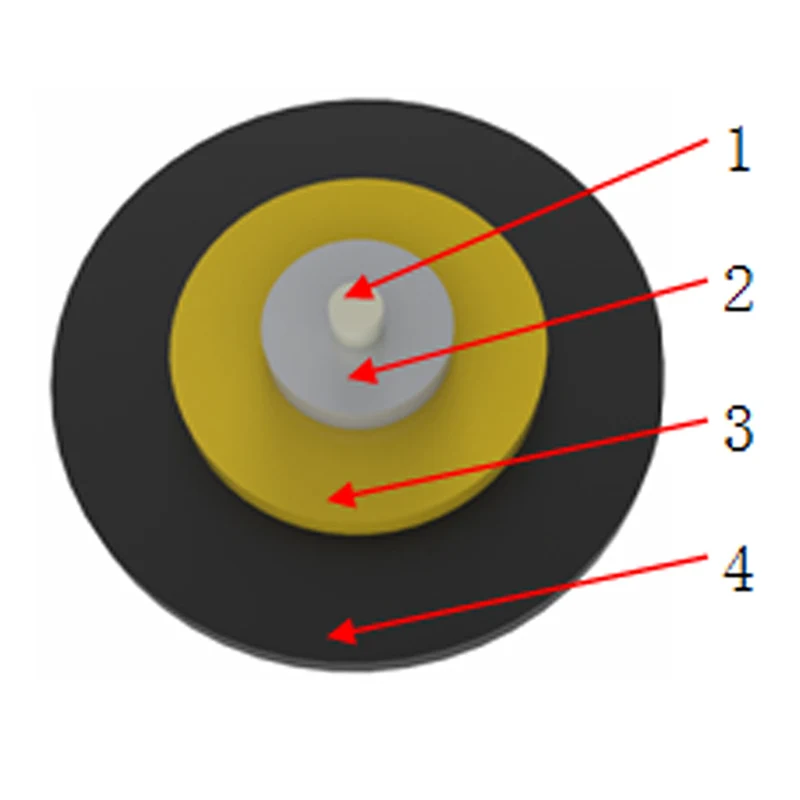
Understanding the internal structure of a round fiber optic drop cable is crucial for selecting the right product.
Optical Fiber Core: Typically single-mode fibers (G657A1 or G657A2)
Strength Members: Steel wire or FRP (Fiber Reinforced Plastic)
Outer Jacket: Durable LSZH or PE material
Buffer Coating: Protects the fiber from environmental damage
This layered construction ensures excellent resistance to tension, bending, and harsh weather conditions.
Key Advantages of Round Drop Cables
Round fiber optic drop cables offer several benefits that make them a preferred choice in modern network infrastructure:
Superior Mechanical Strength: Resistant to pulling and bending
Enhanced Durability: Performs well in extreme environments
Flexible Installation: Suitable for aerial, duct, and direct burial
Improved Signal Stability: Minimal signal loss
Long Lifespan: Reduced maintenance costs
Manufacturers such as Xuben design these cables with advanced materials to ensure long-term reliability and efficiency.
Round vs Flat Fiber Optic Drop Cable
Feature
Round Drop Cable
Flat Drop Cable
Shape
Round
Flat
Flexibility
High
Moderate
Mechanical Strength
Strong
Lower
Installation Environment
Indoor & Outdoor
Mainly Outdoor
Durability
Excellent
Good
As shown above, round drop cables outperform flat cables in terms of flexibility and durability, making them ideal for complex installations.
Main Applications in Modern Networks
Round fiber optic drop cables are widely used across various industries:
FTTH (Fiber-to-the-Home)
FTTB (Fiber-to-the-Building)
Telecommunication Networks
Smart City Infrastructure
5G Network Deployment
With the rapid expansion of broadband services, the demand for high-performance drop cables continues to grow globally.
Installation Best Practices
Proper installation is key to maximizing the performance of your fiber optic cable:
Avoid excessive bending beyond the minimum bend radius
Ensure proper tension during installation
Use protective conduits where necessary
Follow manufacturer guidelines carefully
Perform regular inspections and testing
Xuben recommends working with experienced technicians to ensure optimal installation and long-term reliability.
Technical Specifications Table
Parameter
Specification
Fiber Type
Single Mode G657A1/A2
Core Count
1–4 cores
Outer Diameter
2.0mm – 5.0mm
Tensile Strength
≥ 1000 N
Operating Temperature
-40°C to +70°C
How to Choose the Right Cable
Selecting the right round fiber optic drop cable depends on several factors:
Environment: Indoor, outdoor, or both
Installation Method: Aerial, duct, or buried
Fiber Count: Based on network capacity needs
Budget: Balance cost and performance
Working with a trusted supplier like Xuben ensures you get high-quality products tailored to your specific requirements.
Future Trends in Fiber Optic Cabling
As technology evolves, fiber optic cables continue to advance:
Increased demand for high-speed internet
Integration with 5G and IoT networks
Development of more durable and flexible materials
Improved installation techniques
Round fiber optic drop cables will play a crucial role in supporting next-generation communication infrastructure.
Frequently Asked Questions
1. What is the main difference between round and flat drop cables?
Round cables offer better flexibility and mechanical strength, making them suitable for more complex installations.
2. Can round fiber optic drop cables be used outdoors?
Yes, they are designed for both indoor and outdoor use, with strong resistance to environmental conditions.
3. What is the typical lifespan of a round drop cable?
With proper installation, these cables can last over 20 years.
4. Are round drop cables compatible with FTTH networks?
Absolutely. They are widely used in FTTH deployments worldwide.
5. Why choose Xuben for fiber optic cables?
Xuben provides high-quality, reliable, and customizable fiber optic solutions backed by industry expertise.
Conclusion
Round fiber optic drop cables are an essential component of modern communication networks. Their durability, flexibility, and superior performance make them a preferred choice for FTTH and beyond. By understanding their structure, benefits, and applications, businesses and network providers can make informed decisions that enhance connectivity and efficiency.
If you are looking for high-quality fiber optic solutions tailored to your needs, contact us today and discover how Xuben can help you build a faster, more reliable network.
We use cookies to offer you a better browsing experience, analyze site traffic and personalize content. By using this site, you agree to our use of cookies.
Privacy Policy