Jiangsu Xuben Photoelectric Technology Co., Ltd.
News

How Does Drop Cable Support Reliable Fiber Optic Network Connections?

2026-03-11 0 Leave me a message

Article Summary

Drop cable plays a crucial role in modern fiber optic communication networks by connecting the main distribution network to individual buildings or subscribers. This final segment of the network must provide durability, signal stability, and easy installation while operating in diverse environmental conditions. This article explains how drop cable works, its structure, installation methods, key technical parameters, and how to select the right type for different deployment scenarios. The guide also addresses common challenges faced by network installers and project planners.

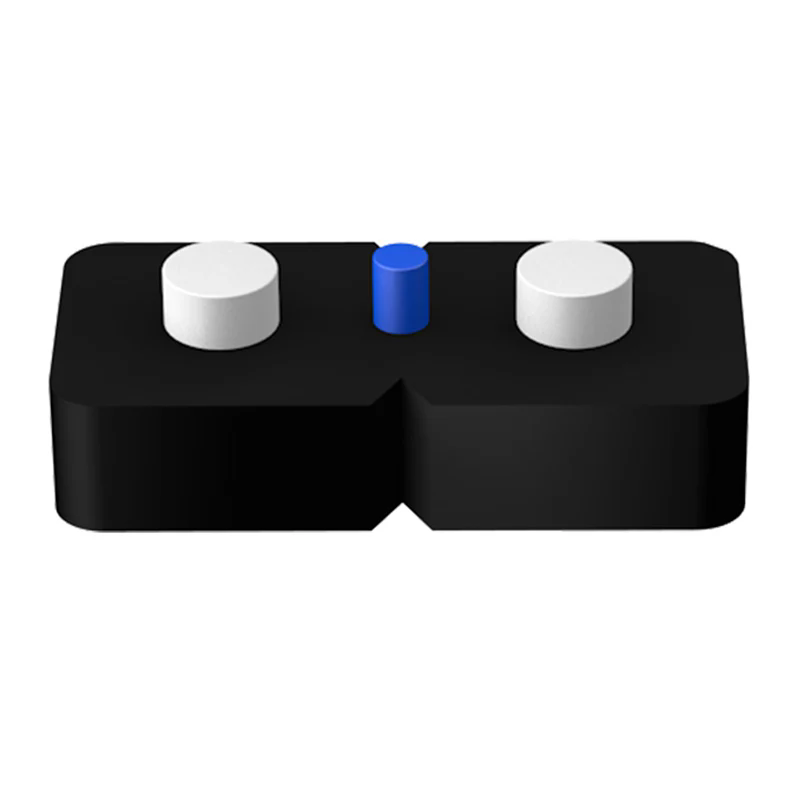
Bow-type Fiber Optic Drop Cable

Table of Contents

  • Introduction to Drop Cable
  • How Drop Cable Works in Fiber Optic Networks
  • Main Components of Drop Cable
  • Typical Technical Parameters
  • Common Types of Drop Cable
  • Key Advantages of Modern Drop Cables
  • Installation Methods and Best Practices
  • Common Problems and Practical Solutions
  • How to Choose the Right Drop Cable
  • Frequently Asked Questions
  • Conclusion

Introduction to Drop Cable

Fiber optic infrastructure has become the backbone of modern communication systems, supporting high-speed internet, cloud computing, smart homes, and enterprise networks. Within this infrastructure, drop cable represents the final connection between the distribution network and the end user.

In fiber-to-the-home (FTTH), fiber-to-the-building (FTTB), and fiber-to-the-premises (FTTP) deployments, drop cables are responsible for delivering optical signals directly to residences, offices, and commercial facilities. Because they operate in the “last mile” environment, they must be lightweight, flexible, weather-resistant, and easy to install.

Manufacturers such as Jiangsu Xuben Photoelectric Technology Co., Ltd. develop drop cables designed for reliable outdoor and indoor deployment, ensuring stable signal transmission even under challenging environmental conditions.


How Drop Cable Works in Fiber Optic Networks

Drop cable functions as the connection between the optical distribution point and the end user’s optical network terminal (ONT). It transfers optical signals from the main fiber line to individual subscribers with minimal signal loss.

The operation process typically includes the following stages:

  • Signal Transmission – Optical signals travel through the main distribution fiber.
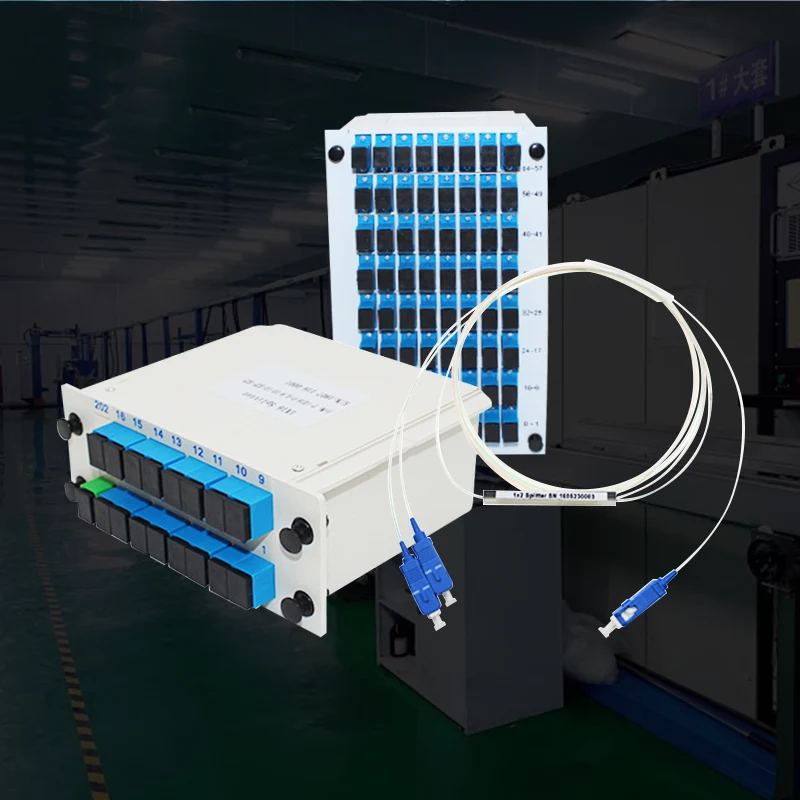
  • Branch Distribution – A splitter or distribution box divides the signal to multiple users.
  • Drop Cable Connection – The drop cable links the distribution point to the user location.
  • Terminal Conversion – The optical signal reaches the optical modem or terminal device.

Because drop cables are exposed to environmental conditions such as wind, UV radiation, and mechanical tension, their design prioritizes strength and reliability without compromising flexibility.


Main Components of Drop Cable

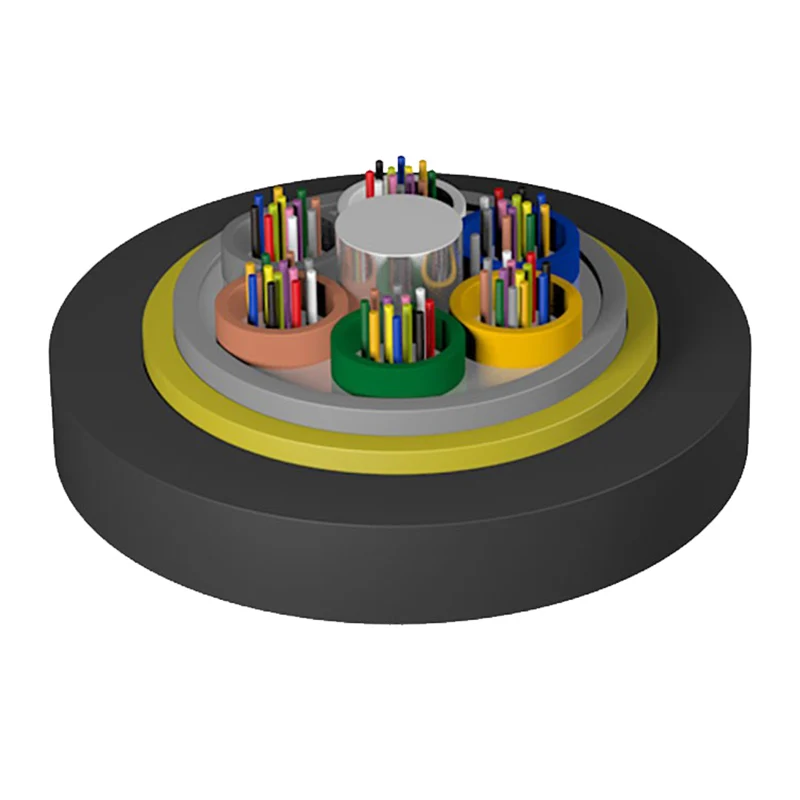
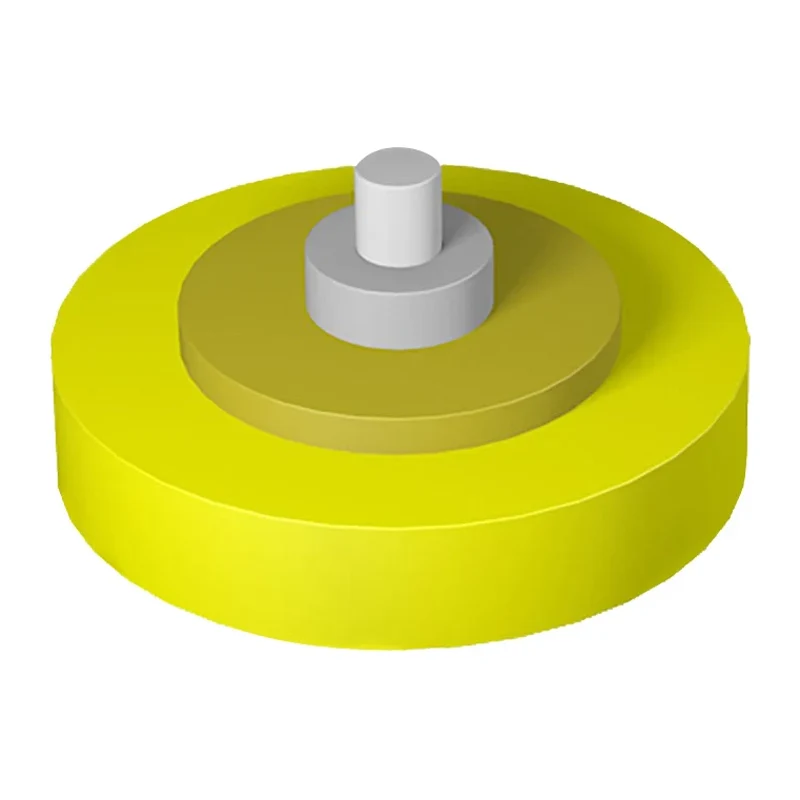
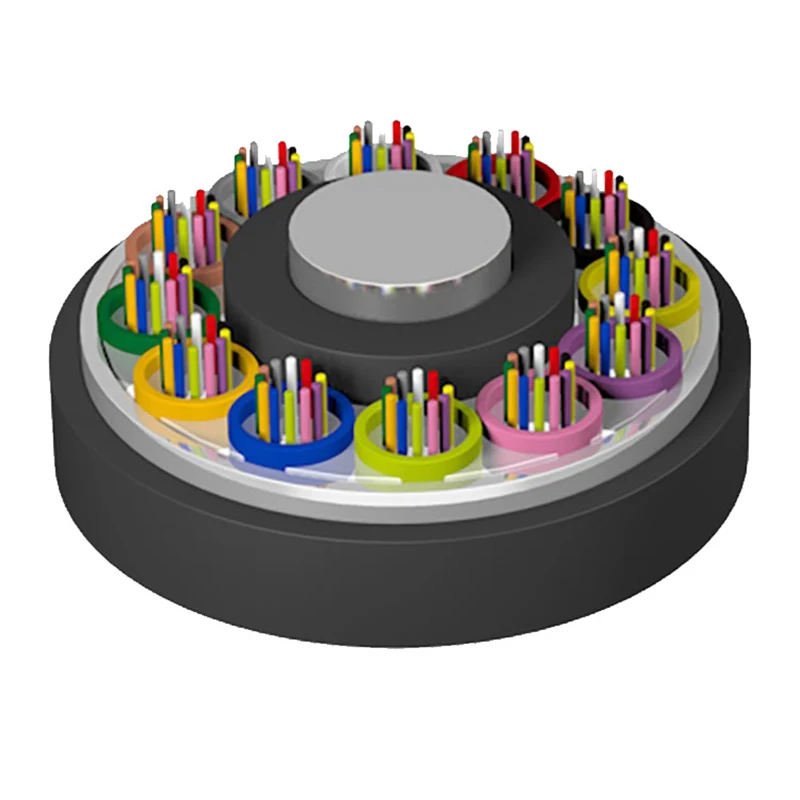
Drop cable construction is engineered to protect optical fibers while ensuring installation efficiency. The key components include:

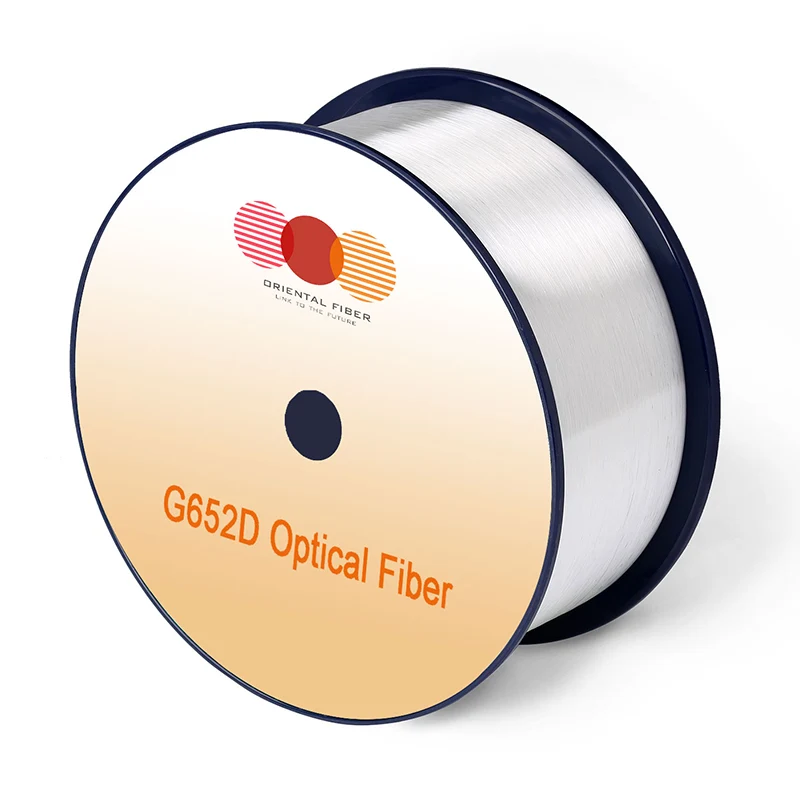
  • Optical Fiber Core – Usually single-mode fiber designed for long-distance transmission.
  • Strength Members – Steel wire or FRP rods provide mechanical support.
  • Protective Jacket – Outer layer that protects against moisture, abrasion, and UV exposure.
  • Reinforcement Layer – Improves tensile strength and resistance to bending.

These components work together to maintain stable signal transmission while protecting the delicate fiber core from physical damage.


Typical Technical Parameters

Parameter Description
Fiber Type Single-mode G657A or G652D
Fiber Count 1 Core / 2 Core
Strength Member Steel wire or FRP
Outer Sheath Material LSZH / PE
Tensile Strength 300 – 600 N
Operating Temperature -40°C to +70°C
Application FTTH, indoor/outdoor installation

Common Types of Drop Cable

Different network environments require different drop cable designs. The most widely used types include:

  • Flat Drop Cable – Ideal for aerial and wall installations due to its flexible shape.
  • Round Drop Cable – Often used for conduit installations.
  • Self-Supporting Drop Cable – Includes a steel messenger wire for aerial deployment.
  • Indoor Drop Cable – Designed for interior routing with fire-resistant jackets.

Selecting the correct cable type ensures both performance and installation efficiency.


Key Advantages of Modern Drop Cables

Modern drop cables are designed to address common network deployment challenges. Their advantages include:

  • High tensile strength for aerial installations
  • Excellent bending resistance for tight routing spaces
  • UV-resistant outer jackets
  • Lightweight structure for easier installation
  • Low signal attenuation

These features allow drop cables to maintain stable connections in residential areas, commercial buildings, and urban infrastructure projects.


Installation Methods and Best Practices

Correct installation is essential for maintaining cable performance. Installers should follow several best practices:

  • Avoid excessive bending that exceeds the minimum bend radius.
  • Use proper clamps and supports for aerial installations.
  • Protect cable entry points using conduit or protective sleeves.
  • Maintain adequate tension to prevent sagging.
  • Ensure connectors are clean and properly aligned.

Proper installation not only extends the service life of the cable but also reduces maintenance costs.


Common Problems and Practical Solutions

Although drop cables are designed for reliability, certain issues may occur during deployment or operation.

Problem Possible Cause Solution
Signal loss Fiber bending or connector contamination Clean connectors and check bend radius
Cable damage Mechanical tension or environmental impact Use reinforced cable types
Installation difficulty Incorrect cable selection Choose appropriate cable structure
Weather deterioration UV exposure Use outdoor-rated cables

How to Choose the Right Drop Cable

Choosing the correct drop cable depends on several factors:

  • Installation Environment – Indoor, outdoor, aerial, or underground.
  • Mechanical Requirements – Tensile strength and bending performance.
  • Network Architecture – FTTH, FTTB, or FTTP systems.
  • Durability Requirements – Weather resistance and lifespan.

Professional manufacturers such as Jiangsu Xuben Photoelectric Technology Co., Ltd. provide a variety of drop cable solutions designed to meet the needs of telecommunications providers, infrastructure contractors, and system integrators.


Frequently Asked Questions

Q1: What is the main purpose of drop cable in a fiber optic network?

Drop cable connects the optical distribution network to individual subscribers, delivering high-speed fiber signals directly to homes or buildings.

Q2: Can drop cable be used both indoors and outdoors?

Yes. Many drop cables are designed for indoor-outdoor use, featuring protective jackets and reinforced structures suitable for different environments.

Q3: What makes drop cable different from standard fiber optic cable?

Drop cables are specifically designed for the final connection segment, emphasizing flexibility, compact structure, and easy installation.

Q4: How long can drop cable last?

High-quality drop cables typically have a service life of over 20 years when installed and maintained properly.


Conclusion

Drop cable is a vital component in modern fiber optic communication systems, ensuring that high-speed optical signals reach end users reliably. Its specialized design supports flexible installation, strong mechanical protection, and consistent signal performance across various deployment environments.

With the continuous expansion of fiber broadband networks, demand for durable and high-performance drop cables continues to grow. Manufacturers such as Jiangsu Xuben Photoelectric Technology Co., Ltd. provide advanced drop cable solutions that support efficient FTTH infrastructure and long-term network reliability.

For technical specifications, customized cable solutions, or project consultation, contact us today to learn how professional drop cable products can support your fiber optic network deployment and help ensure stable, high-speed connectivity for your customers.

Related News
Leave me a message
X
We use cookies to offer you a better browsing experience, analyze site traffic and personalize content. By using this site, you agree to our use of cookies. Privacy Policy
Reject Accept