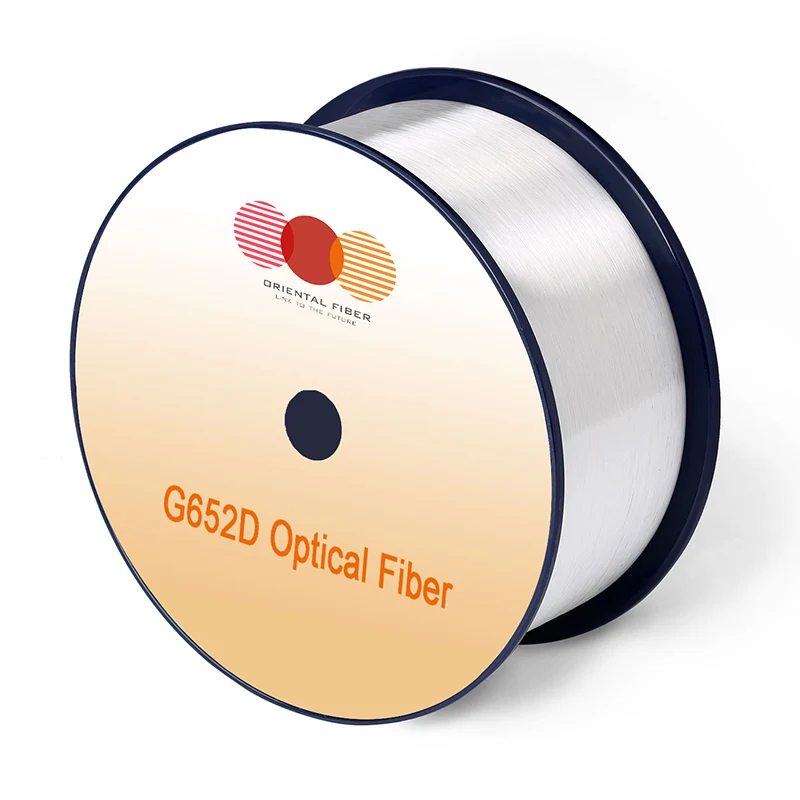
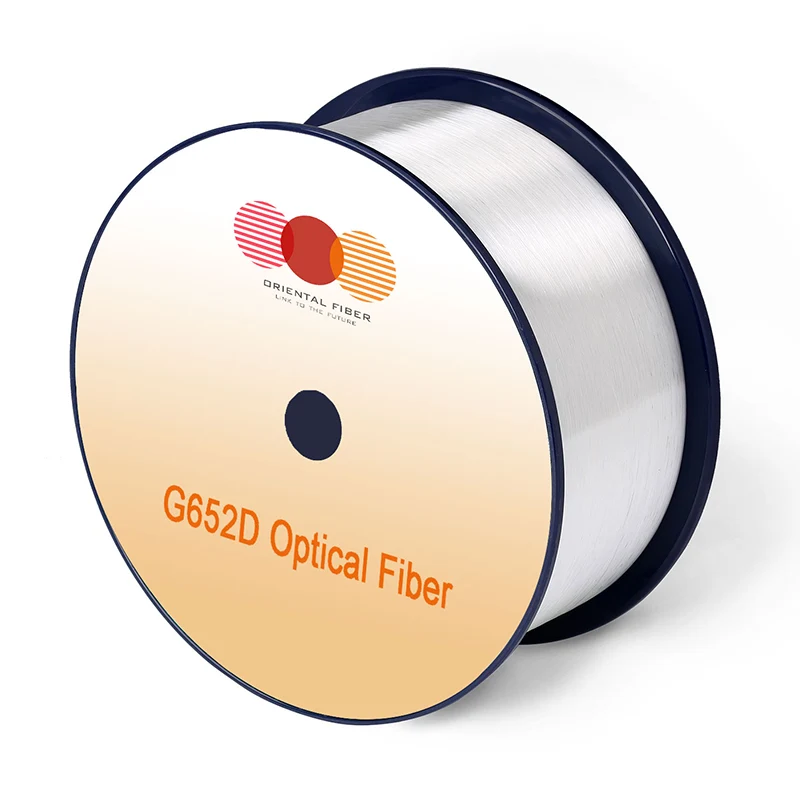
Jiangsu Xuben Photoelectric Technology Co., Ltd. (OrientalFiber) highlights how Single-mode Optical Fiber G.652D is becoming an important part of AI data center connectivity as digital infrastructure demands faster, more stable, and longer-distance data transmission.
Artificial intelligence applications are changing the way data centers are designed and operated. From large-scale model training to real-time data processing, AI workloads require massive amounts of information to move quickly between servers, storage systems, and network equipment. While computing hardware receives much attention, the optical communication layer behind these systems plays an equally important role in maintaining efficient data flow.
Why AI Data Centers Need Stronger Optical Connectivity
Traditional data center networks were mainly built around standard cloud services, but AI workloads create new challenges. AI clusters often contain thousands of computing units working together, generating continuous high-volume traffic between different parts of the infrastructure.
Copper connections that work well for short distances may face limitations when networks expand. Optical fiber has become a key choice because it supports higher bandwidth transmission with lower signal loss over longer distances.
Among various optical fiber types, Single-mode Optical Fiber G.652D remains widely used in backbone networks because of its stable transmission performance, compatibility with existing optical systems, and suitability for large-scale communication infrastructure.
The increasing deployment of AI computing centers, cloud platforms, and high-speed communication networks has encouraged infrastructure planners to pay more attention to fiber selection at the early design stage.
How G.652D Fiber Supports Modern Data Transmission
The value of G.652D fiber is not only related to speed. Network reliability, installation flexibility, and long-term compatibility are also important factors when building communication systems.
Network Requirement
How G.652D Fiber Helps
Long-distance transmission
Maintains stable optical signals across extended network links
High bandwidth demand
Supports large data flows required by cloud and AI applications
Network expansion
Works with widely adopted optical communication systems
Infrastructure upgrades
Allows existing fiber networks to be upgraded more efficiently
For AI data centers, stable connectivity between server rooms, equipment areas, and external communication networks is essential. A well-designed optical network can reduce transmission bottlenecks and provide a foundation for future expansion.
The Growing Connection Between AI and Fiber Infrastructure
The rapid growth of AI is not only increasing the number of data centers but also changing their internal network structures. Modern facilities are moving toward higher-density architectures where communication between computing units becomes more frequent.
This trend creates several practical challenges:
Managing Increasing Data Volumes
AI systems process large datasets during training and operation. The network needs to handle frequent data exchanges without creating delays that affect overall efficiency.
Supporting Future Network Upgrades
Data centers are designed for long service cycles. Selecting optical components that match current requirements while remaining compatible with future technologies can reduce the need for repeated infrastructure replacement.
Improving Communication Reliability
For large-scale digital systems, even small transmission issues can affect operational stability. Fiber solutions with consistent optical performance help maintain dependable communication links.
Industry Applications Beyond Data Centers
Although AI data centers represent a growing application area, optical fiber infrastructure also supports many other industries. Telecommunications networks, enterprise communication systems, industrial automation, power grids, rail transportation, and smart infrastructure projects all rely on optical connectivity.
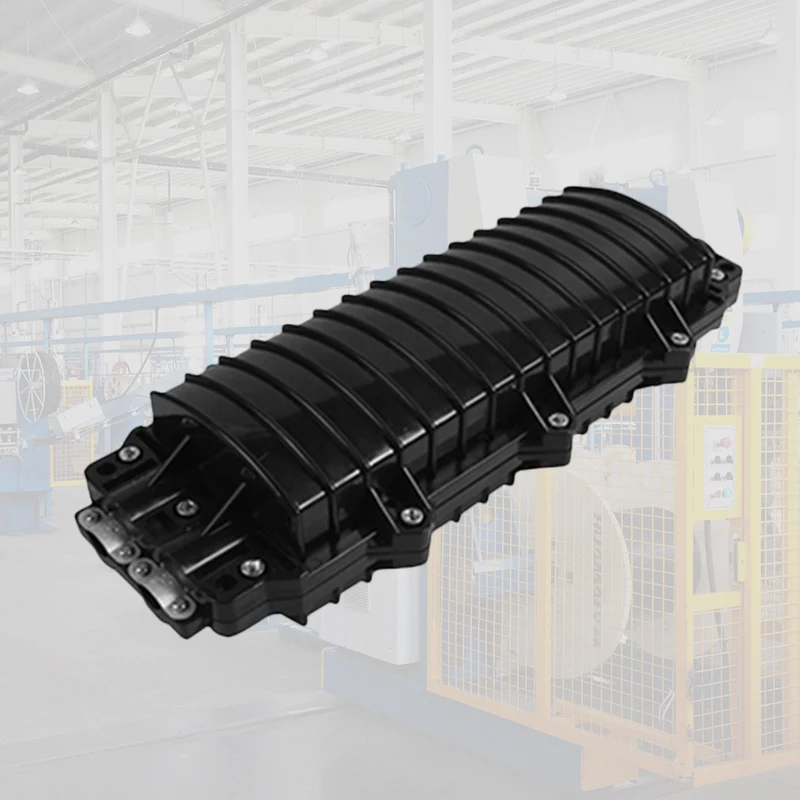
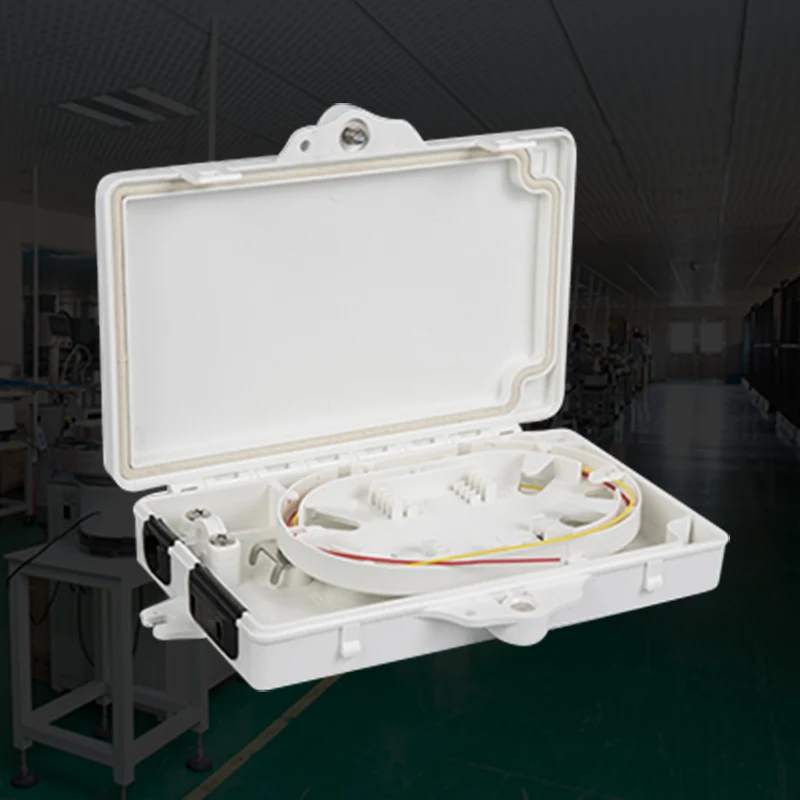
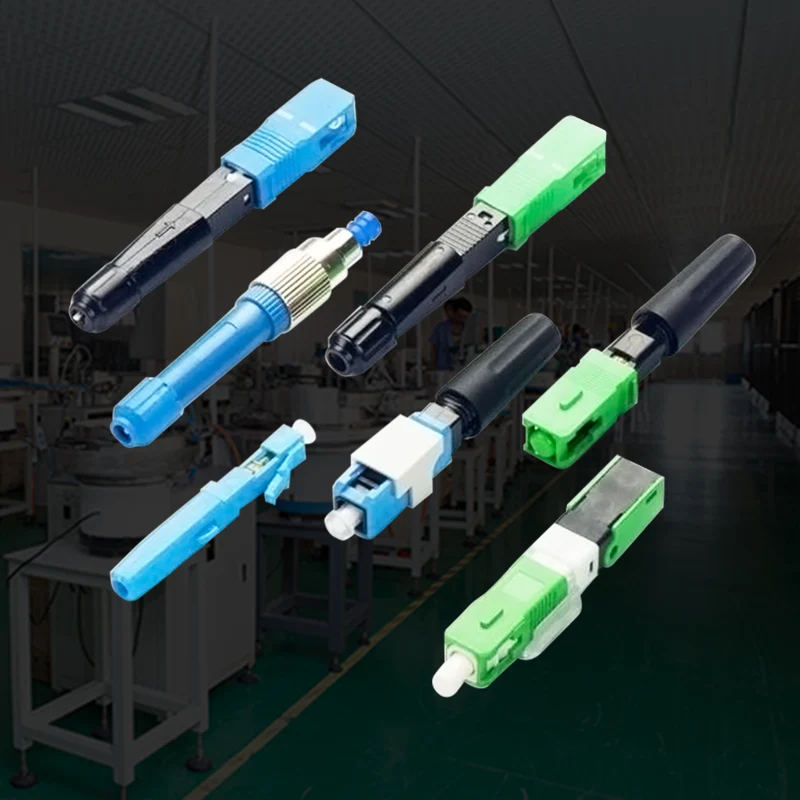
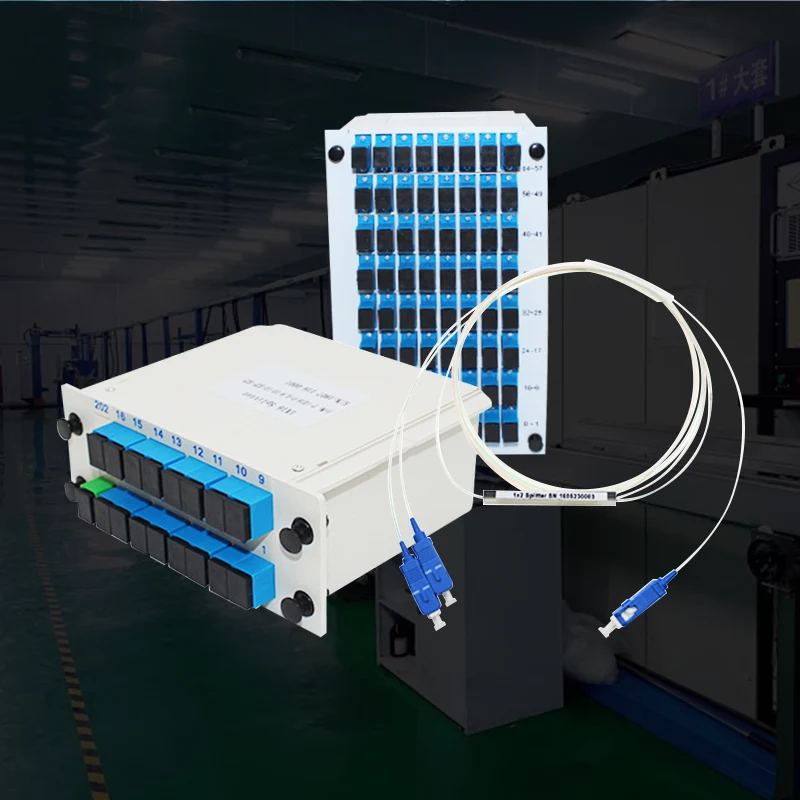
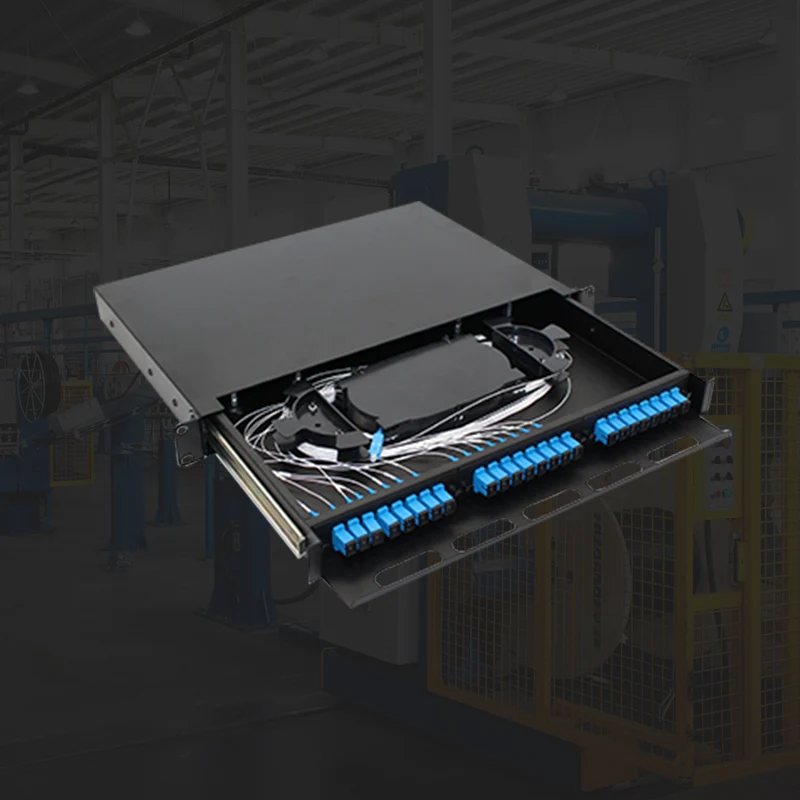
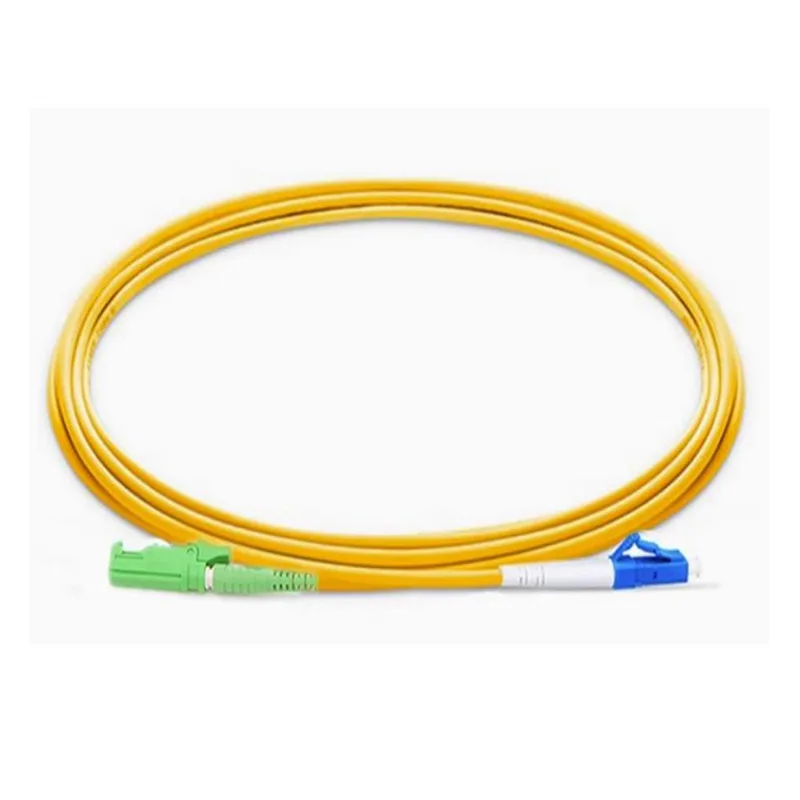
OrientalFiber has developed optical communication products covering indoor optical cables, outdoor optical cables, ODN optical components, and optical network equipment. With four production facilities covering different parts of the optical network supply chain, the company supports various communication infrastructure projects.
Established in 2014, Jiangsu Xuben Photoelectric Technology Co., Ltd. has expanded its optical cable production capabilities and obtained ISO9001 quality management system certification and ISO45001 occupational health and safety management system certification. Its products have been applied in telecommunications, enterprise networks, residential broadband, and industrial communication projects.
Key Factors When Evaluating Optical Fiber Solutions
When planning communication infrastructure, several factors influence the selection of optical fiber products:
Evaluation Factor
Importance in Network Planning
Transmission performance
Determines the ability to handle increasing data requirements
Product compatibility
Helps integrate with existing communication systems
Production consistency
Supports stable performance across large projects
Application experience
Provides reference for different network environments
A practical approach is to consider not only current network needs but also possible changes in data traffic, technology upgrades, and expansion plans.
Future Outlook for Fiber Connectivity in the AI Era
AI development will continue to influence communication infrastructure worldwide. As computing resources become more distributed and data exchange becomes more frequent, optical networks will remain a fundamental part of digital connectivity.
The development of smarter data centers does not depend only on advanced processors or software platforms. Reliable physical connections are also necessary to ensure that information can move efficiently between different systems.
With its experience in optical communication products and global network applications, Jiangsu Xuben Photoelectric Technology Co., Ltd. (OrientalFiber) continues to participate in the development of modern communication infrastructure. Single-mode Optical Fiber G.652D represents one of the important technologies supporting the evolution of AI data center connectivity and future high-capacity optical networks.
We use cookies to offer you a better browsing experience, analyze site traffic and personalize content. By using this site, you agree to our use of cookies.Privacy Policy