Jiangsu Xuben Photoelectric Technology Co., Ltd.
News

Fiber‑Optic UAVs: The Wired Revolution in Anti‑Jam Flight

2026-07-27 0 Leave me a message

What They Are 

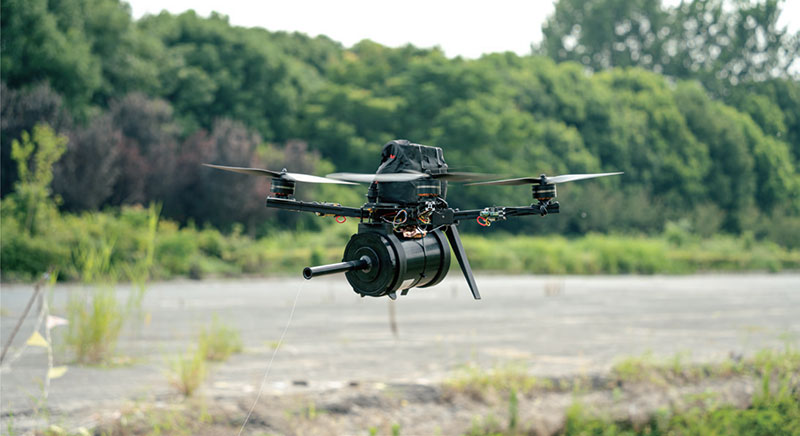
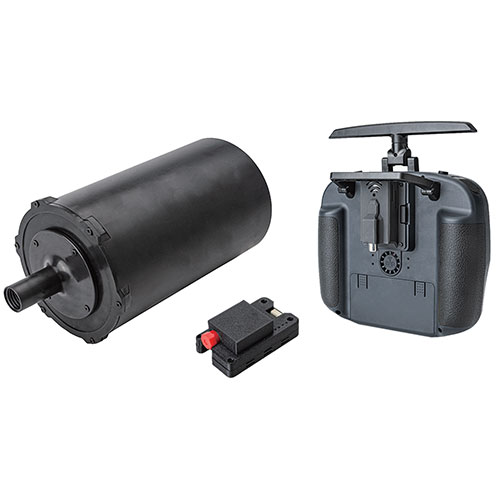
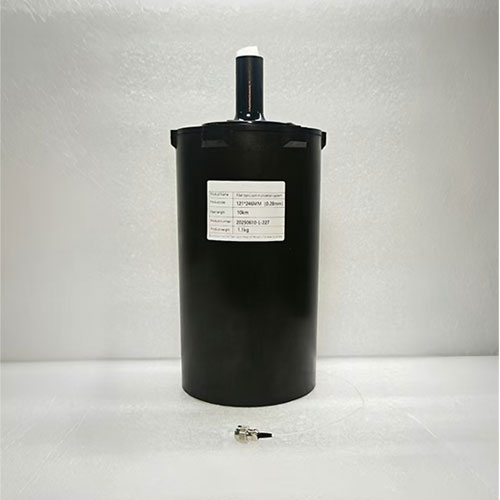
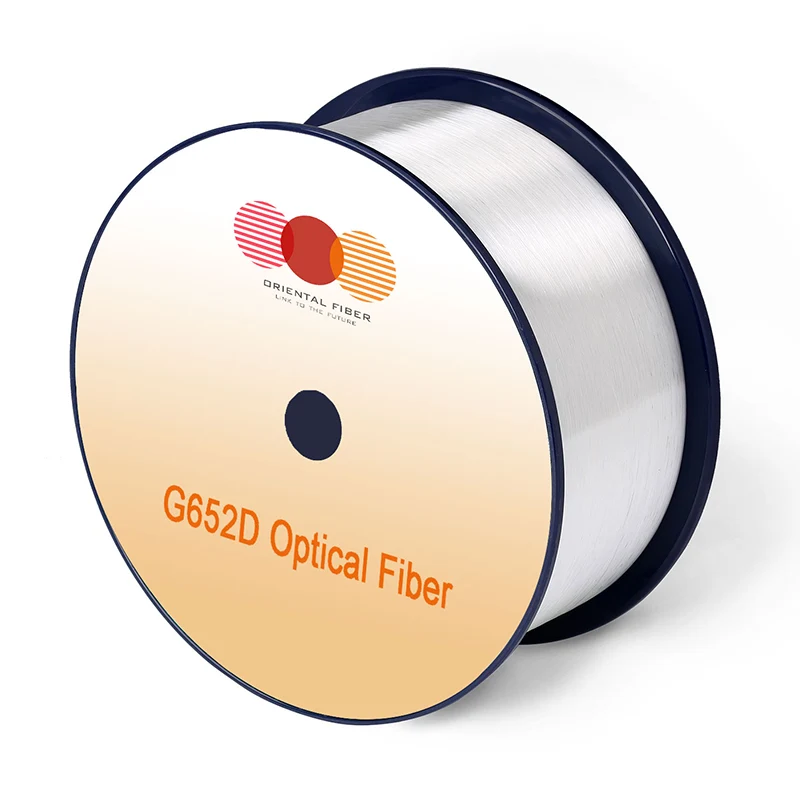
A fiber‑optic UAV replaces the usual radio‑frequency (RF) data link with a thin glass fiber — about the thickness of a human hair — that spools out from a canister mounted under the airframe. As the drone flies, the fiber pays out behind it, carrying:

  • Commands from the ground station to the drone (via light pulses)

  • Video/telemetry from the drone back to the operator (in real time)

Crucially, this is not a tethered drone that needs a power cable. The fiber carries data only; the UAV still runs on its own battery or engine.


Why Go Wired? Three Real Advantages

1. Complete RF Immunity

Conventional drones are easy to jam with off‑the‑shelf RF guns or GPS spoofers. In contested environments (e.g., Ukraine), mission failure rates for RF‑controlled UAVs have exceeded 75‑90% under heavy jamming. A fiber‑optic link emits zero electromagnetic radiation — it simply cannot be jammed, detected, or spoofed by electronic warfare systems.

2. True Zero‑Latency HD Video

Fiber offers bandwidth in the Gbps range with latency under 1 millisecond. That means uncompressed 4K/8K video with no stutter or pixelation — critical for FPV (first‑person view) precision tasks like target identification or close‑in inspection.

3. Physical & Spectral Stealth

Since there are no RF emissions, spectrum monitors and direction‑finding gear cannot locate the operator. The fiber itself is <0.5 mm in diameter — virtually invisible to the naked eye from >20 meters and nearly undetectable on radar.


Key Technical Specs: What to Look For

When selecting a fiber‑optic tether for a UAV, the industry gold standard is G.657.A2‑compliant single‑mode fiber. Here’s what matters:

Parameter Typical Value & Why It Matters
Bend radius ≥7.5 mm (G.657.A2) — allows tight spooling inside the drone without signal loss.
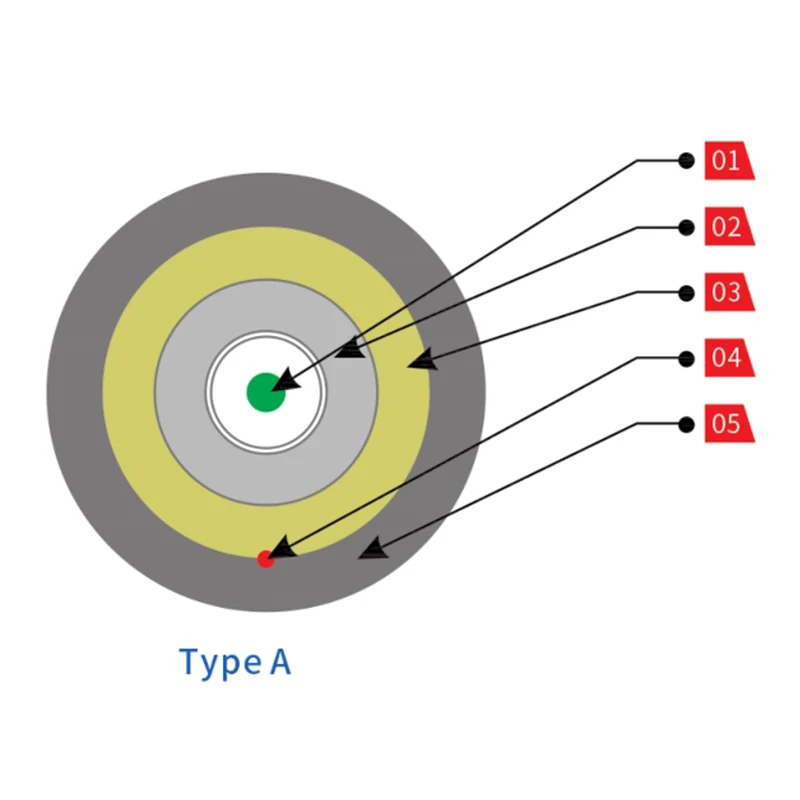
Core diameter 8‑10 µm (single‑mode) — ensures low dispersion over long ranges.
Attenuation <0.2 dB/km at 1550 nm — means you can fly 10 km with only ~2 dB loss (well within receiver tolerance).
Max range Off‑the‑shelf spools: 5, 10, 15 km; advanced military versions now reach 50+ km.
Fiber mass ~0.2 kg per km (including primary coating) — a 10‑km spool adds ~2 kg to payload.

Where They Shine 

Military / Tactical

  • Urban warfare & tunnel clearance — no jamming risk in concrete canyons.

  • Anti‑armor FPV strikes — operators can guide munitions precisely onto moving tanks without losing link.

  • Reconnaissance behind enemy lines — RF‑silent overflight with live streaming.

Both sides in the Russia‑Ukraine war now field thousands of fiber‑optic FPV drones, with dedicated training units teaching rapid spool‑handling and break‑recovery procedures.

Civilian / Commercial

  • Emergency communications — tethered variants (with power+fibre hybrid cables) act as 24/7 aerial cell towers for disaster zones.

  • Wildfire monitoring — long‑duration loiter with real‑time IR video, unaffected by smoke‑induced RF attenuation.

  • Large‑venue security — persistent surveillance over stadiums or border perimeters.


The Hard Truth: Limitations & Trade‑offs

No free lunch. Before you commit, know these pain points:

Limitation Real‑World Impact
Range fixed You cannot fly farther than the spool length — no mid‑mission extension.
Maneuver constraints Sharp turns, dives, or rapid yaw can snag or overstress the fiber. Typical max speed with fiber deployed: ≤25 m/s (vs. 40+ m/s for RF FPV).
Payload penalty A 10‑km spool (~2 kg) directly reduces battery or warhead capacity.
Obstacle sensitivity Trees, rubble, or power lines will snap the fiber. Operations require open corridors or high‑altitude clearance.
Operator exposure Although the drone is stealthy, the trailing fiber on the ground can lead back to the launch point — a skilled adversary can “follow the thread.”

What Happens When the Fiber Breaks?

This is the #1 fear among new users. Modern flight controllers handle it gracefully:

  • Automatic Return‑to‑Launch (RTL) — upon signal loss (no light returning), the FC triggers pre‑set heading and altitude to fly back to the take‑off point.

  • Fallback failsafe — if RTL is impossible (e.g., GPS lost), many systems cut the fiber and switch to a backup ultra‑low‑power RF beacon for last‑known position reporting (range ~1‑2 km).

Critical tip: Always set your RTL altitude higher than surrounding obstacles — the drone will climb (using remaining battery) before turning home.


Operational Best Practices (From Field Experience)

  1. Pre‑flight spool check — unwind the first 2‑3 meters and inspect for kinks. Even a micro‑bend can raise attenuation by 10+ dB.

  2. Launch angle — take off vertically to ~10‑15 m before moving horizontally. This prevents the fiber from snagging on ground debris.

  3. Turn radius — plan routes with gentle curves (radius >50 m for 10‑km spools). Avoid abrupt course reversals.

  4. Wind awareness — in strong crosswinds, the fiber bows into a “catenary” curve. Reduce airspeed to keep tension low.

  5. Recovery — do not fly back over the laid fiber; instead, land at a different point and manually reel in the line (or cut it and accept the loss).


Quick Comparison: Fiber vs. RF for UAVs

Factor Fiber‑Optic Radio Frequency
Jamming vulnerability None High (wideband jammers)
Latency <1 ms 20‑50 ms (compressed video)
Max range (practical) 10‑50 km 100+ km (LOS)
Video quality Uncompressed 4K+ Compressed, variable
Payload efficiency Lower (spool weight) Higher
COST per mission Higher (fiber is disposable) Lower (reusable radios)
Operator detection Very hard (no RF) Easy (RF direction‑finding)

Final Verdict: Who Should Use It?

Choose fiber‑optic UAVs when:

  • You expect heavy electronic warfare / jamming.

  • You need crystal‑clear, real‑time video for precise targeting or inspection.

  • Your mission is short‑to‑medium range (<20 km) with predictable terrain.

Stick with RF when:

  • You need long‑range BVR (beyond visual range) operations.

  • You operate in dense forests or urban canyons (high snag risk).

  • Payload weight is critical, and jamming is unlikely.


 Fiber‑optic UAVs are not a replacement for all drones — they are a specialised tool for the most contested, high‑stakes environments. When used correctly, they turn electromagnetic vulnerability into a non‑issue. When misused, they become an expensive tangle. Plan your route, respect the spool, and always have a backup recovery plan.

Related News
Leave me a message
X
We use cookies to offer you a better browsing experience, analyze site traffic and personalize content. By using this site, you agree to our use of cookies.Privacy Policy
RejectAccept