Hybrid Optical and Electrical Stranded Loose Tube Cable GDTA53
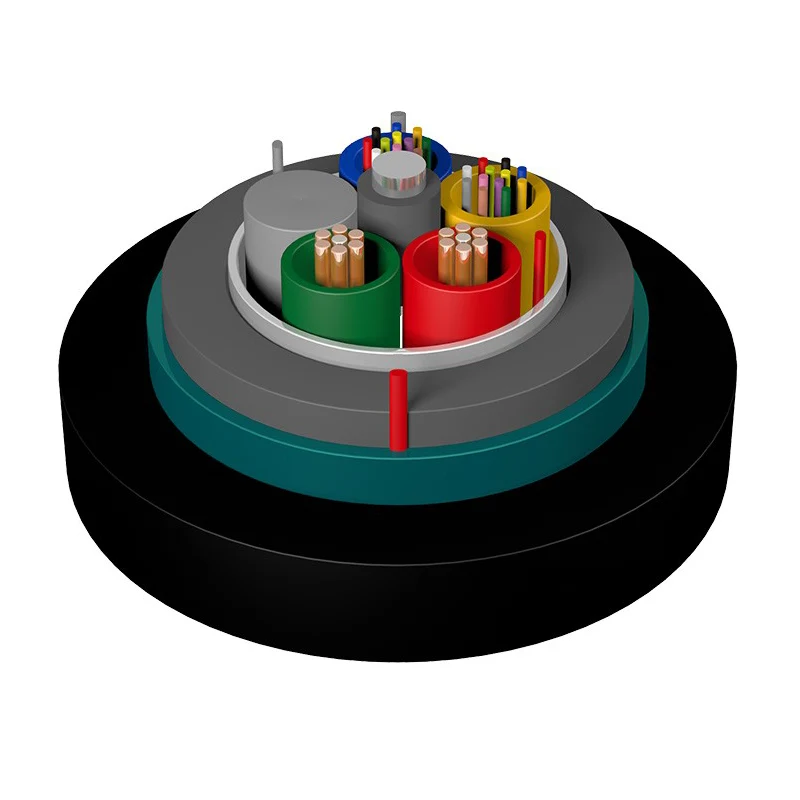
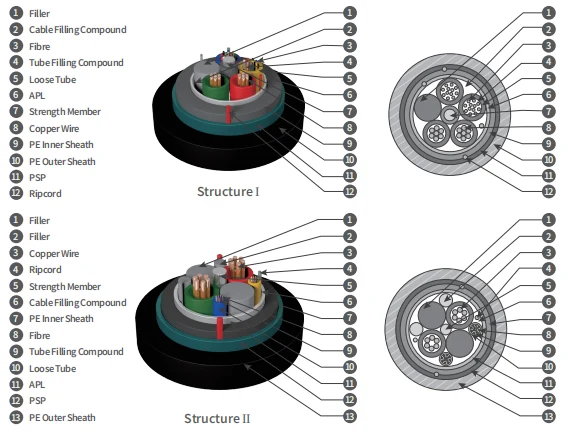
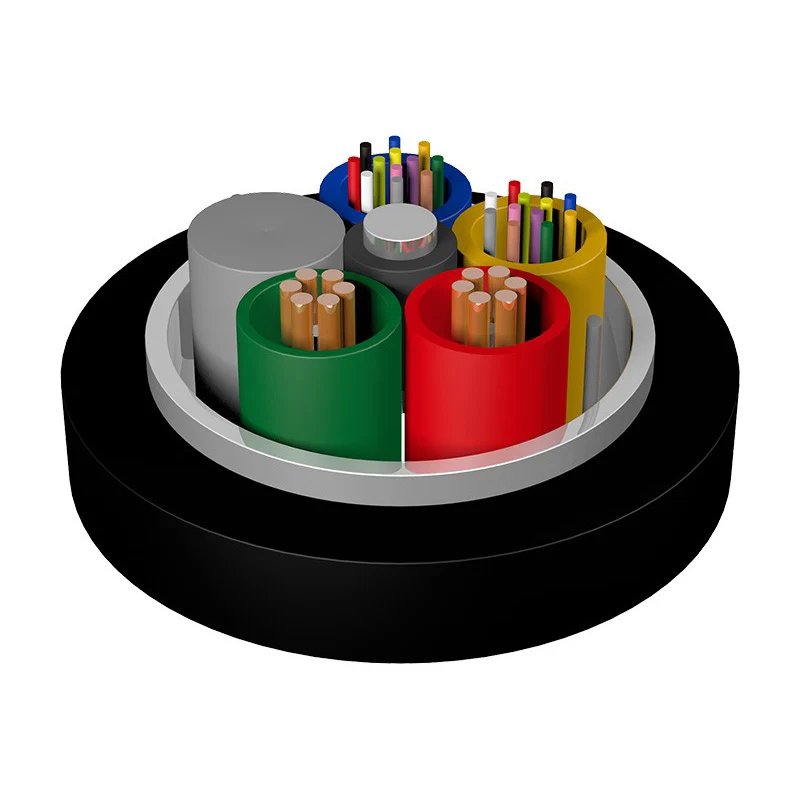
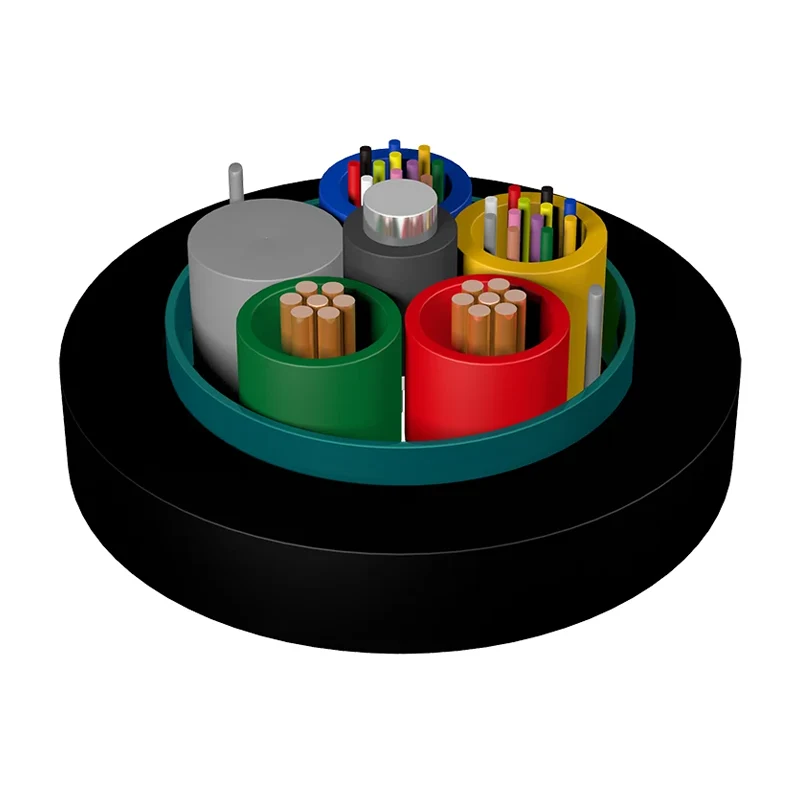
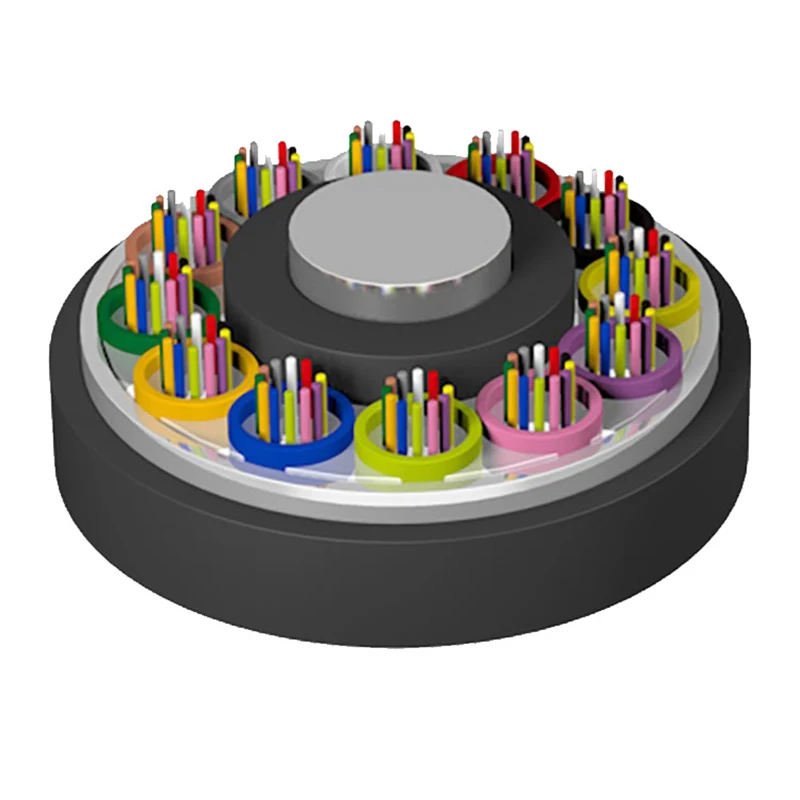
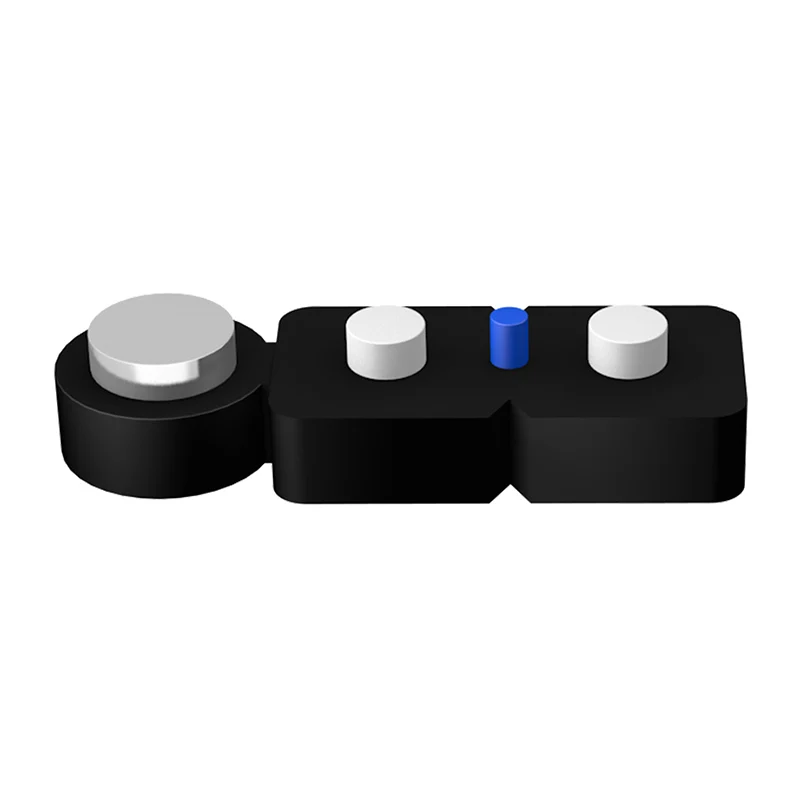
The hybrid optical and electrical stranded loose tube cable GDTA53 is sheathed in a loose tube made of high modulus plastic and filled with fillers. The center of the optical cable is a metal reinforcement core. The tube and copper wire (required specifications) are twisted around the central reinforcement core to form a cable core. The cable core is filled with optical cable fillers and armored with laminated aluminum tape, then a PE inner sheath is extruded and armored with corrugated steel tape, and finally a PE outer sheath is extruded.
Orientalfiber Hybrid Optical and Electrical Stranded Loose Tube Cable GDTA53 is designed for integrated transmission of optical signals and electrical power in modern communication infrastructure. As a reliable choice from a China manufacturer and supplier, this cable structure supports both data transmission and power delivery within a single cable system, helping simplify network deployment and reduce overall installation complexity.
From a procurement perspective, Orientalfiber Hybrid Optical and Electrical Stranded Loose Tube Cable GDTA53 helps reduce project coordination between power and communication systems. By combining fiber and copper elements into one solution, it supports efficient installation, lower labor dependency, and more manageable long-term maintenance.
Product Overview
The Hybrid Optical and Electrical Stranded Loose Tube Cable GDTA53 adopts a stranded loose tube structure. Optical fibers are protected inside high modulus plastic tubes filled with water-blocking compounds, while electrical copper conductors are integrated into the cable core according to required specifications.
A central metal strength member ensures tensile performance during installation. The cable core is filled with protective compounds, followed by laminated aluminum tape armor, inner PE sheath, corrugated steel tape armor, and a final PE outer sheath. This layered design allows the cable to perform reliably in outdoor and underground environments.
Why This Structure Matters for Buyers
Integrated Power + Fiber Transmission
For distributed base stations and remote equipment, separating power and signal cables increases installation time and cost. The Hybrid Optical and Electrical Stranded Loose Tube Cable GDTA53 provides a combined solution, reducing cable routing complexity and minimizing trenching or duct usage.
Reduced Installation Cost and Time
With fewer cables to deploy, contractors can shorten project timelines. This is particularly relevant for large-scale telecom projects where labor and coordination costs can significantly impact the budget.
Improved System Management
Centralized power supply and signal transmission allow easier monitoring and maintenance. This helps reduce troubleshooting time and improves operational efficiency over the lifecycle of the network.
Mechanical Protection for Harsh Environments
The double-layer armor design (aluminum tape + corrugated steel tape) enhances resistance to external pressure, impact, and environmental stress. This makes the Hybrid Optical and Electrical Stranded Loose Tube Cable GDTA53 suitable for underground installation and complex outdoor conditions.
Core Structure Breakdown
• Optical Fibers: Placed inside loose tubes with water-blocking filling compounds
• Copper Conductors: Integrated based on power transmission requirements
• Strength Member: Central metal core for tensile strength
• Filling Compound: Prevents moisture ingress
• Aluminum Tape Armor: Provides initial shielding and protection
• Inner PE Sheath: Adds structural stability
• Corrugated Steel Tape Armor: Enhances crush resistance
• Outer PE Sheath: Protects against environmental exposure
Typical Application Scenarios
Distributed Base Station (BBU to RRU)
The Hybrid Optical and Electrical Stranded Loose Tube Cable GDTA53 is commonly used in connections between BBU and RRU in DC remote power supply systems. It supports both signal transmission and power delivery, reducing the need for separate infrastructure.
Telecommunication Network Deployment
Suitable for telecom operators and communication system integrators looking to streamline fiber and power deployment in a single solution.
Underground Installation Projects
With strong mechanical protection and moisture resistance, this cable performs well in underground ducts, direct burial, and other protected routing environments.
Industrial and Infrastructure Projects
Applicable in rail transit, highways, and power systems where both communication and power are required at remote nodes or front-end equipment.
Procurement Considerations
Customization Flexibility
The Hybrid Optical and Electrical Stranded Loose Tube Cable GDTA53 can be configured with different fiber counts and copper conductor specifications based on project requirements.
Logistics and Supply Stability
With multiple production facilities, the manufacturer supports stable supply capacity for both standard and bulk orders, which is important for long-term infrastructure projects.
Compatibility with Existing Systems
Designed to integrate with standard telecom and power systems, reducing compatibility concerns during installation and operation.
FAQ
Can the cable be customized for different power requirements?
Yes, copper conductor size and configuration can be adjusted based on the required power transmission specifications.
Is it suitable for direct burial?
Yes, the armored structure supports underground installation, including direct burial with appropriate installation practices.
What is the main advantage compared to separate cables?
The main advantage is reduced installation complexity and cost by combining optical fiber and power transmission into one cable system.
Features
● Good mechanical and temperature performance;
● Solve the power supply and signal transmission problems, and provide centralized monitoring and maintenance of power supply for equipment;
● Improve the manageability of power supply, reduce the coordination and maintenance of power supply;
● Reduce procurement costs and save construction costs;
● Mainly used for the connection between BBU and RRU in the DC remote power supply system of distributed base stations;
● Suitable for underground installation
Technical Characteristics
Type
O.D.
(mm)
Weight
(Kg/km)
Tensile strength
Long/short term (N)
Crush
Long/short term
(N/100mm)
Structure
GDTA53-02-24Xn+2*1.5
15.1
290
1000/3000
1000/3000
Structure I
GDTA53-02-24Xn+2*2.5
15.5
312
1000/3000
1000/3000
Structure I
GDTA53-02-24Xn+2*4.0
18.2
358
1000/3000
1000/3000
Structure II
GDTA53-02-24Xn+2*5.0
18.6
390
1000/3000
1000/3000
Structure II
GDTA53-02-24Xn+2*6.0
19.9
435
1000/3000
1000/3000
Structure II
GDTA53-02-24Xn+2*8.0
20.8
478
1000/3000
1000/3000
Structure II
Electrical Performance of Conductor
Cross section (mm2)
Max. DC resistance of single conductor
(20 ℃)(Ω/km)
Insulation resistance (20℃)(MΩ.km)
Dielectric strength KV, DC 1min Dielectric strength KV, DC 1min
Between each conductor and other
metal members connected in cable
Between
conductors
Between conductor
and metallic armor
Between conductor
and steel wire
1.5
13.3
No less than 5,000
5
5
3
2.5
7.98
4.0
4.95
5.0
3.88
6.0
3.30
8.0
2.47
Hot Tags: Hybrid Optical and Electrical Stranded Loose Tube Cable GDTA53
We use cookies to offer you a better browsing experience, analyze site traffic and personalize content. By using this site, you agree to our use of cookies.
Privacy Policy