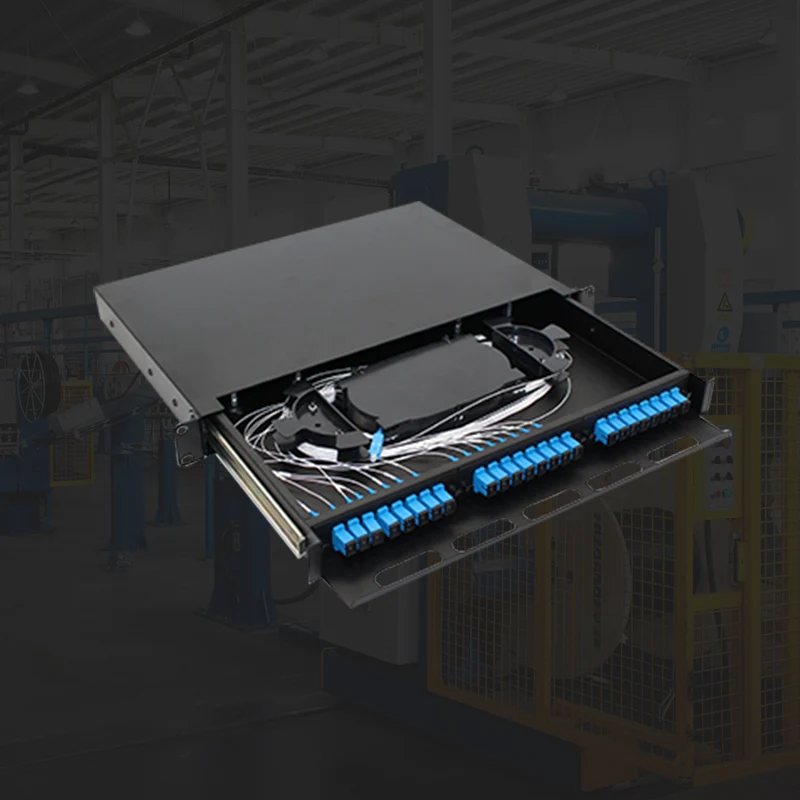
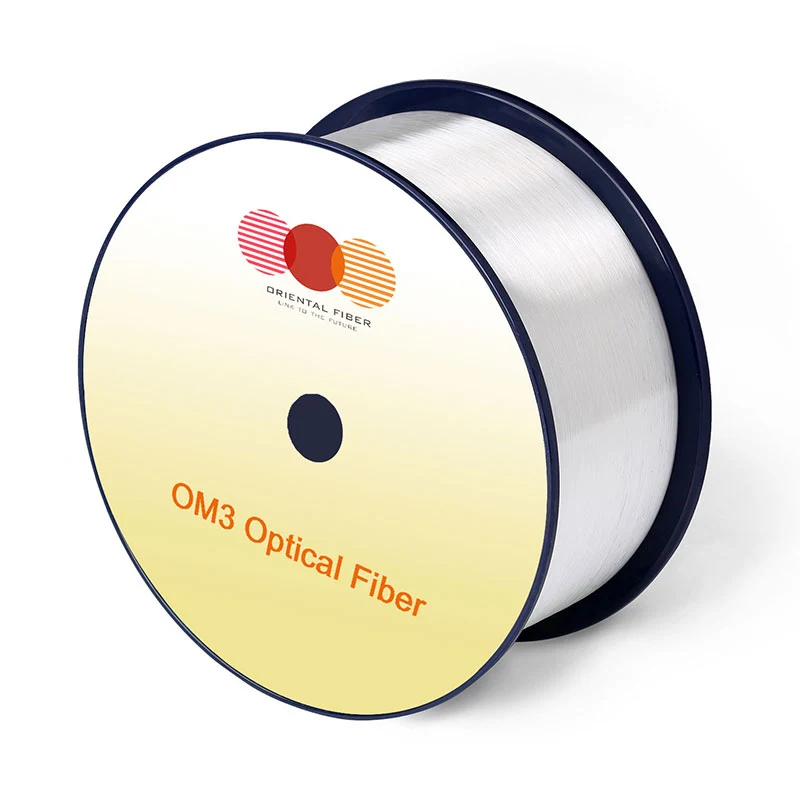
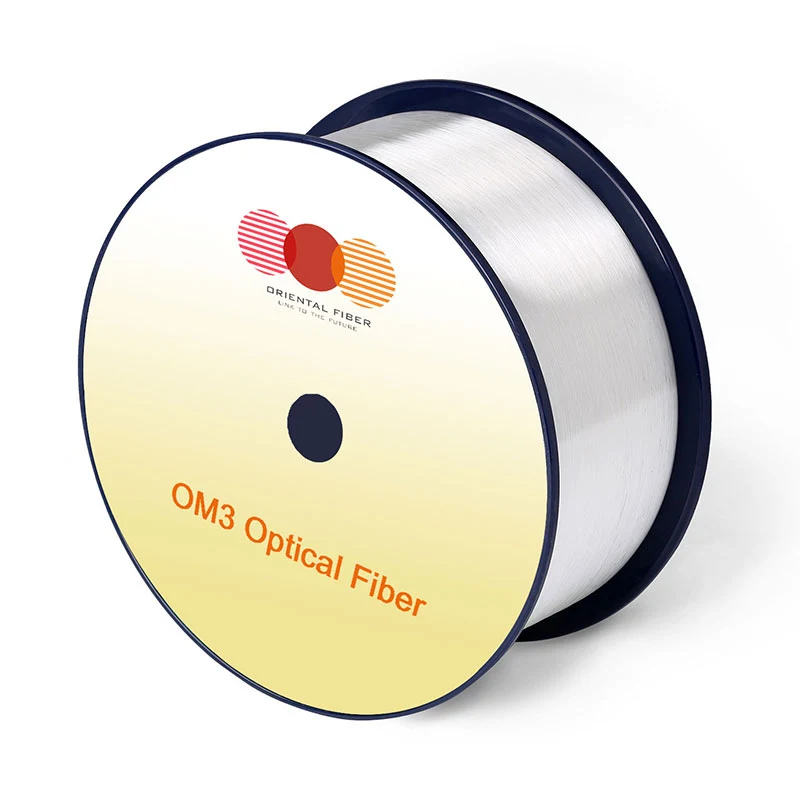
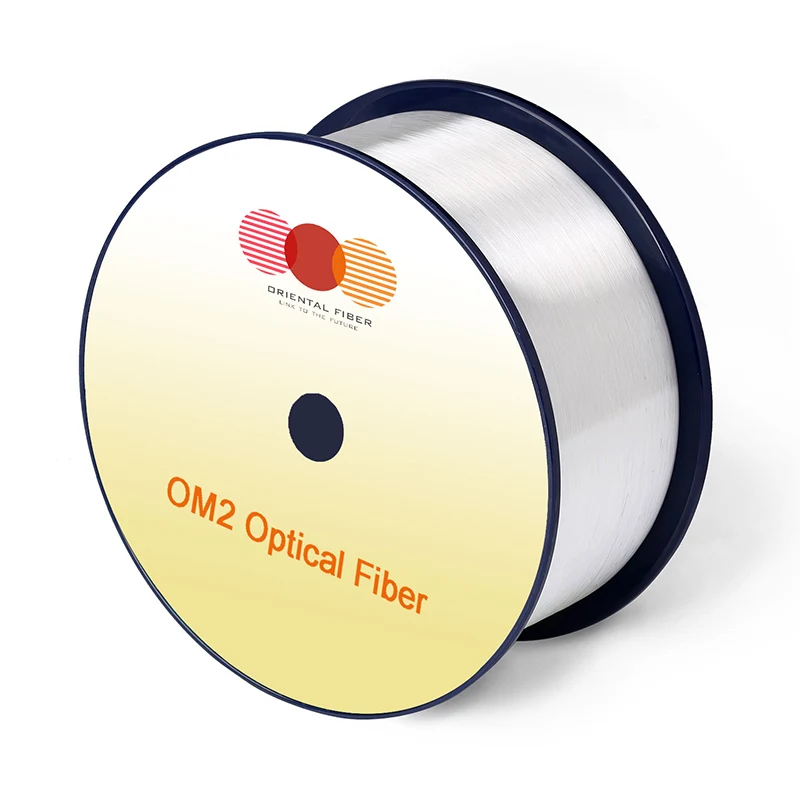
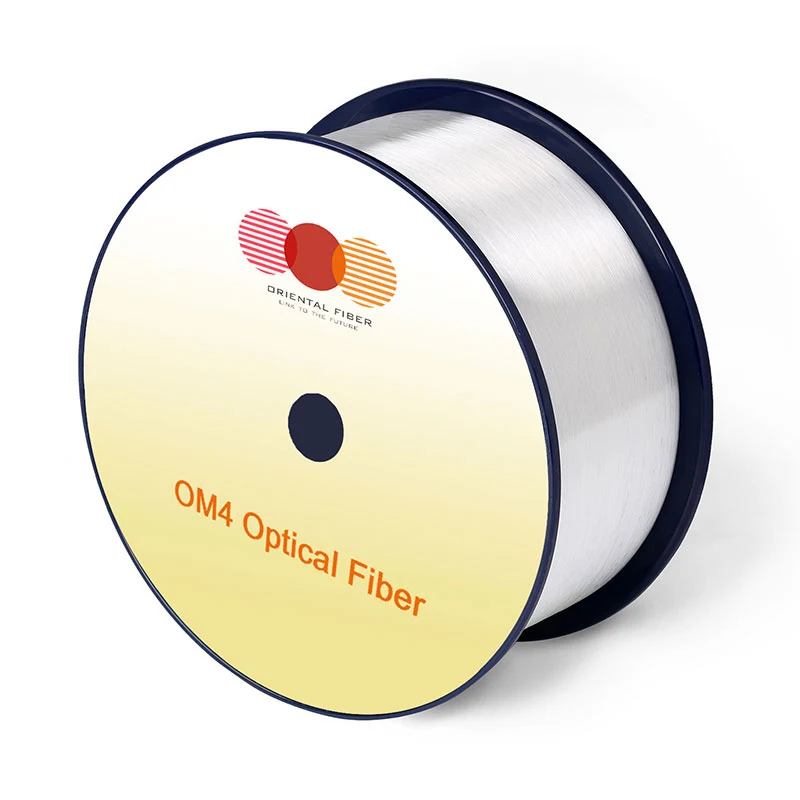
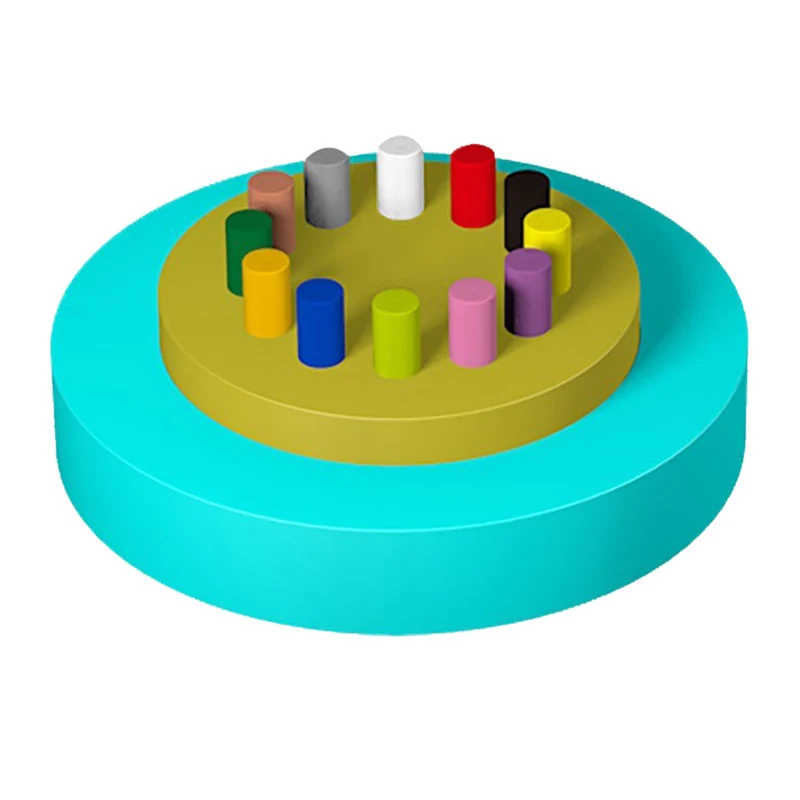
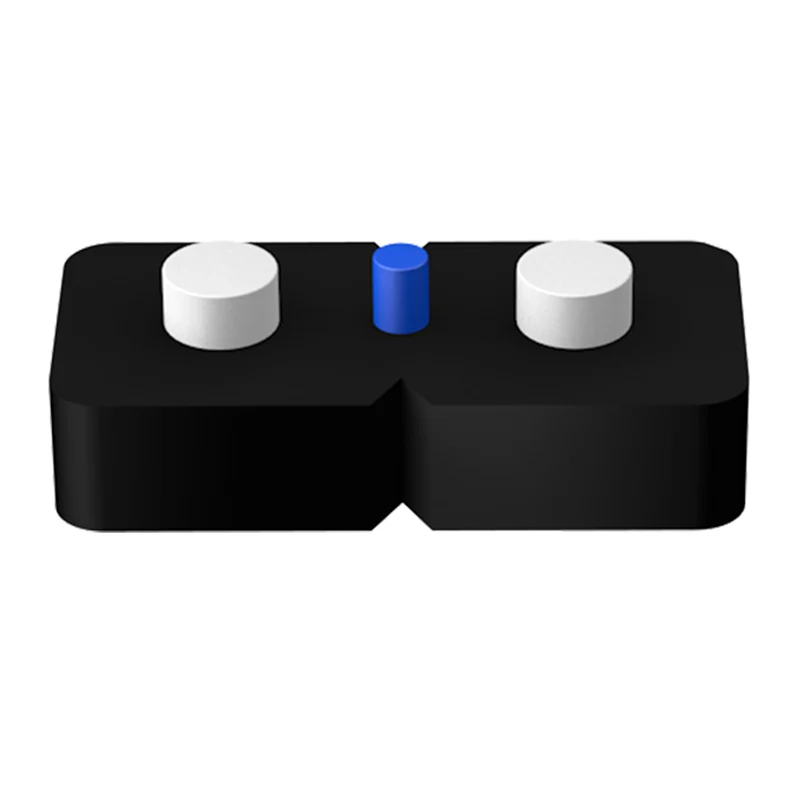
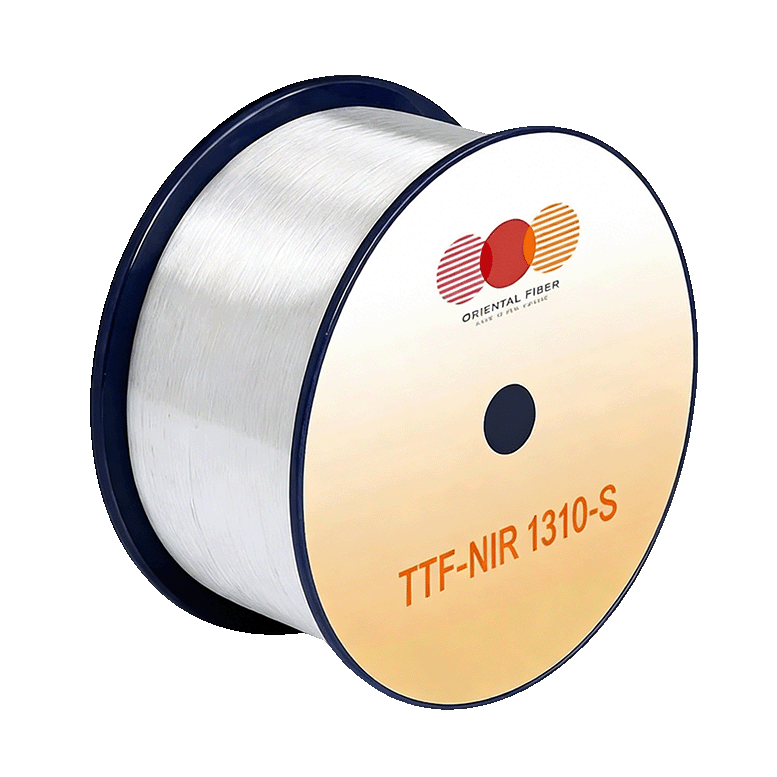
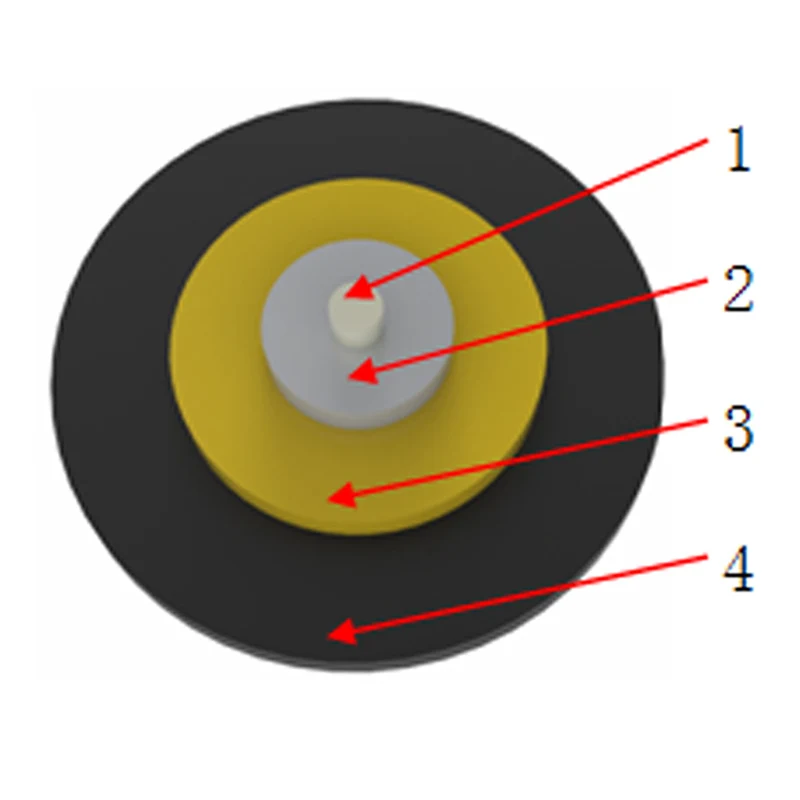
Orientalfiber Multi-mode Optical Fiber OM2+/OM3 is designed for high-speed short to medium distance transmission in modern network environments. As a China manufacturer and supplier, Orientalfiber provides Multi-mode Optical Fiber OM2+/OM3 with laser-optimized performance at 850nm, supporting Ethernet applications up to 100Gbps, especially widely used in 10 Gigabit Ethernet deployments across data centers and enterprise networks.
Multi-mode Optical Fiber OM2+/OM3 features a 50μm core diameter and aqua blue outer sheath for easy identification. It is optimized for use with 850nm VCSEL laser sources, making it a common choice for high-speed data communication systems. Compared to traditional multimode fibers, this product improves bandwidth and reduces signal distortion, helping maintain stable transmission performance.
Standards & Compliance
Orientalfiber Multi-mode Optical Fiber OM2+/OM3 meets or exceeds the following international standards:
ISO/IEC 11801-1 OM3
IEC 60793-2-10 A1-OM3
TIA-492AAAF A1-OM3
Key Features from a Procurement Perspective
Optimized for 850nm VCSEL Light Sources
Multi-mode Optical Fiber OM2+/OM3 is specifically designed for 850nm VCSEL transmission, ensuring efficient signal coupling and stable high-speed data transfer in Ethernet systems.
Supports High-Speed Ethernet up to 100Gbps
This fiber supports various Ethernet standards below 100Gbps, with 10G Ethernet being one of the most common applications, making it suitable for both current deployment and near-term upgrades.
Backward Compatibility for Flexible Integration
Compatible with OM2+, OM3, and OM4 multimode fibers, allowing seamless integration into existing network infrastructure without major redesign.
Low Attenuation and High Bandwidth
Lower signal loss and higher bandwidth capacity help maintain consistent data transmission, which is critical in data-intensive environments like data centers and storage systems.
Reduced DMD for Signal Stability
Low differential mode delay (DMD) helps minimize signal distortion, improving overall transmission quality in high-speed applications.
Improved Bending Resistance
Enhanced resistance to micro-bending reduces installation risk and maintains performance even in complex routing environments.
Typical Application Scenarios
From an engineering and purchasing standpoint, Multi-mode Optical Fiber OM2+/OM3 is widely used in:
Data centers and server rooms
Data storage networks
High-performance computing (HPC) centers
Local area networks (LAN)
Enterprise Ethernet systems
Why Choose Orientalfiber
Orientalfiber is backed by Jiangsu Xuben Photoelectric Technology Co., Ltd, a group company with four specialized manufacturing facilities covering indoor cables, outdoor cables, ODN components, and optical network equipment.
With a total production area of 15,000 square meters and annual output value reaching 20 million USD, the company supports bulk supply and consistent product quality. Its products are widely applied in telecommunications, broadcasting, power infrastructure, rail transit, and industrial communication systems.
Certified with ISO9001 and ISO45001 systems, the manufacturer ensures stable production, quality assurance, and long-term cooperation reliability for global buyers.
Procurement Value Highlights
Cost-effective solution for short and medium distance high-speed networks
Easy integration with existing multimode fiber infrastructure
Stable performance for data-intensive environments
Suitable for scalable network upgrades
FAQ
Q1: What is the difference between OM2+ and OM3 fiber?
OM3 offers higher bandwidth and is optimized for laser transmission, while OM2+ provides improved performance compared to standard OM2. Multi-mode Optical Fiber OM2+/OM3 combines compatibility and enhanced transmission capability.
Q2: Is this fiber suitable for 10G networks?
Yes, Multi-mode Optical Fiber OM2+/OM3 is widely used in 10 Gigabit Ethernet and supports higher speeds depending on distance and system configuration.
Q3: Can it be used in existing cabling systems?
Yes, it is backward compatible with OM2+/OM3/OM4 fibers, making it suitable for upgrades or mixed network environments.
Q4: Where is this product most commonly used?
It is commonly used in data centers, enterprise LANs, and high-performance computing environments where reliable high-speed data transmission is required.
Standards
OM3 bend-insensitive multimode fiber meets or exceeds the ISO/IEC 11801-1 OM3 specification, IEC 60793-2-10 A1-OM3 specification, and TIA-492AAAF A1-OM3 specification.
Applications
Data centers
Data storage networks
High-performance computing centers a
Local area networks (LAN)
Ethernet
Characteristics
1 Optimized for 850nm VCSELs
2 Compatible with current OM2+/OM3/OM4 multimode fibers
3 Excellent geometric uniformity
4 Low attenuation
5 High bandwidth
6 Low differential mode delay (DMD)
7 High resistance to micro-bending
8 Stable performance over a wide range of environmental conditions
Specifications
Characteristics
Conditions
Specified
values
Units
Geometry
Characteristics
Core
Diameter
--
50±2.5
[μm]
Core
Non-Circularity
--
≤5.0
[%]
Cladding
Diameter
--
125.0±1.0
[μm]
Cladding
Non-Circularity
--
≤0.6
[%]
Coating
Diameter
--
245±7
[μm]
Coating/Cladding
Concentricity Error
--
≤10.0
[μm]
Coating
Non-Circularity
--
≤6.0
[%]
Core/Cladding
Concentricity Error
--
≤1.0
[μm]
Delivery
Length
--
up
to 8.8
[km/reel]
Optical
Characteristics
Attenuation
850nm
≤2.4
[dB/km]
1300nm
≤0.6
[dB/km]
--
--
MaxBand®
OM2+/OM3/OM4 Bend Insensitive
Overfilled
Modal Bandwidth
850nm
≥700/≥1500/≥3500
[MHz·km]
1300nm
≥500/≥500/≥500
[MHz·km]
Effective
Modal Bandwidth
850nm
≥950/≥2000/≥4700
[MHz·km]
Application
support distance on
--
--
--
40GBASE-SR4
/ 100GBASE-SR101
850nm
-/140/170
[m]
10GBASE-SR
850nm
150/300/550
[m]
1000BASE-SR
850nm
750/1000/1100
[m]
DMD
Specification
Compliant
with and more stringent than the requirements of IEC60793-2-10
--
Numerical
Aperture
--
0.200±0.015
--
Group
Refractive Index
850nm
1.482
--
1300nm
1.477
--
Zero Dispersion Wavelength(λ0)
--
1295-1340
[nm]
Zero Dispersion Slope(S0)
1295nm≤λ0≤1310nm
≤0.105
[ps/(nm2·km)]
1310nm≤λ0≤1340nm
≤0.000375(1590-λ0)
[ps/(nm2·km)]
Macrobending
Loss2
--
--
--
2
Turns @ 15 mm Radius
850nm
≤0.1
[dB]
1300nm
≤0.3
[dB]
2
Turns @ 7.5 mm Radius
850nm
≤0.2
[dB]
1300nm
≤0.5
[dB]
Backscatter
Characteristics
1300nm
Step(Mean of Bidirectional Measurement)
--
≤0.10
[dB]
Irregularities
Over Fibre Length and Point Discontinuity
We use cookies to offer you a better browsing experience, analyze site traffic and personalize content. By using this site, you agree to our use of cookies.
Privacy Policy