Orientalfiber Loose-tube Stranded Non-armored Optical Fiber Tape Cable GYDTA is designed for stable data transmission in outdoor communication networks. As a China manufacturer and supplier, Orientalfiber provides this optical cable with a stranded loose-tube structure, aluminum tape moisture protection, and PE outer sheath, making it suitable for telecom backbone, access networks, and infrastructure projects where reliability and long-term performance are required.
As a professional China factory and supplier, Orientalfiber focuses on delivering the Loose-tube Stranded Non-armored Optical Fiber Tape Cable GYDTA with consistent quality and practical engineering performance. This cable is widely used in telecommunications, broadcasting systems, and industrial network construction, offering a balance between structural stability, moisture resistance, and installation flexibility.
Product Overview
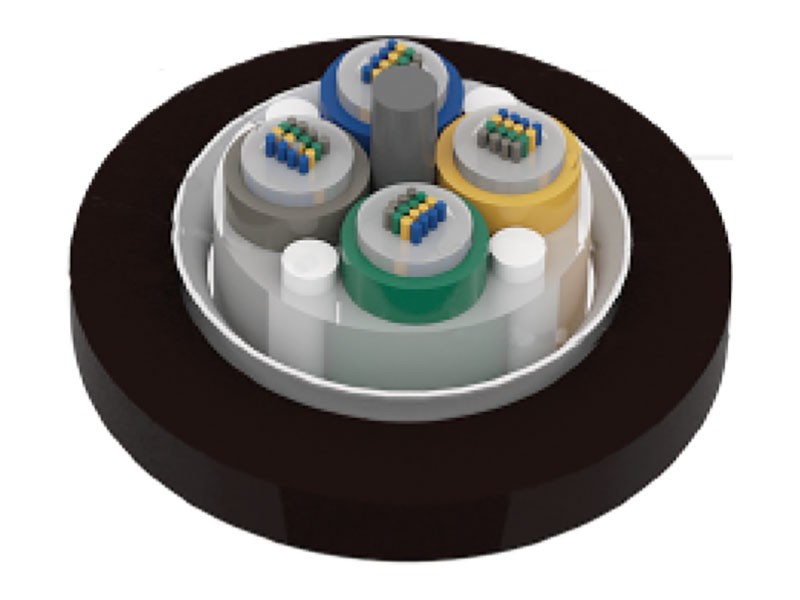
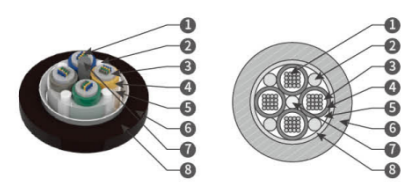
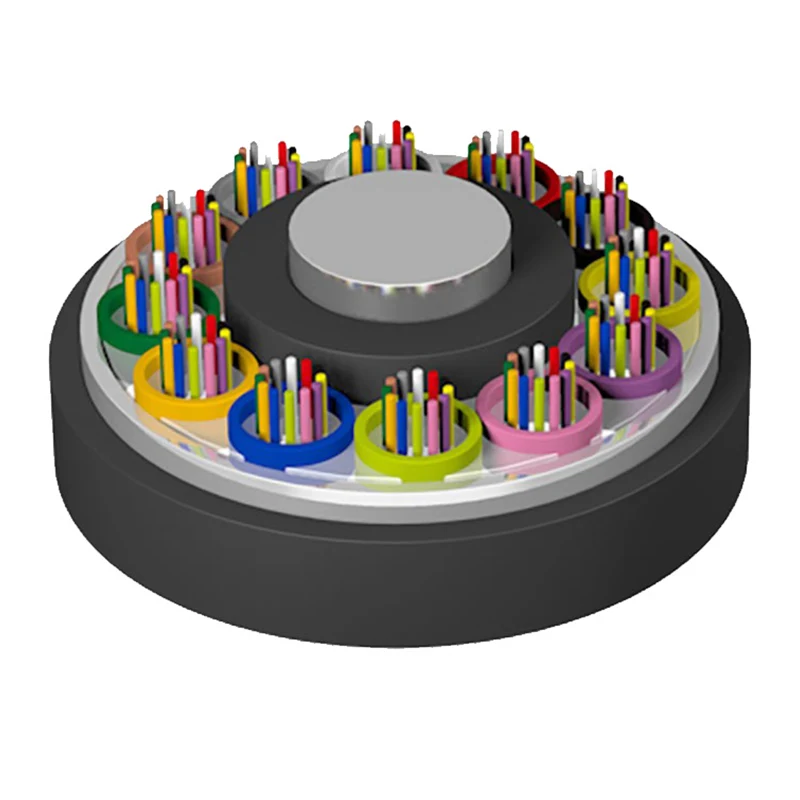
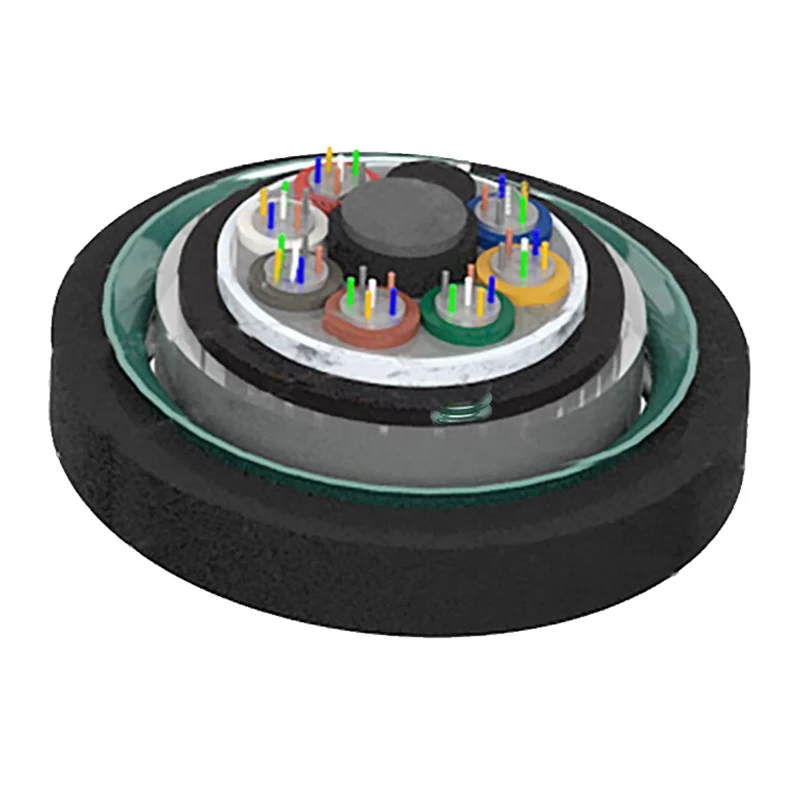
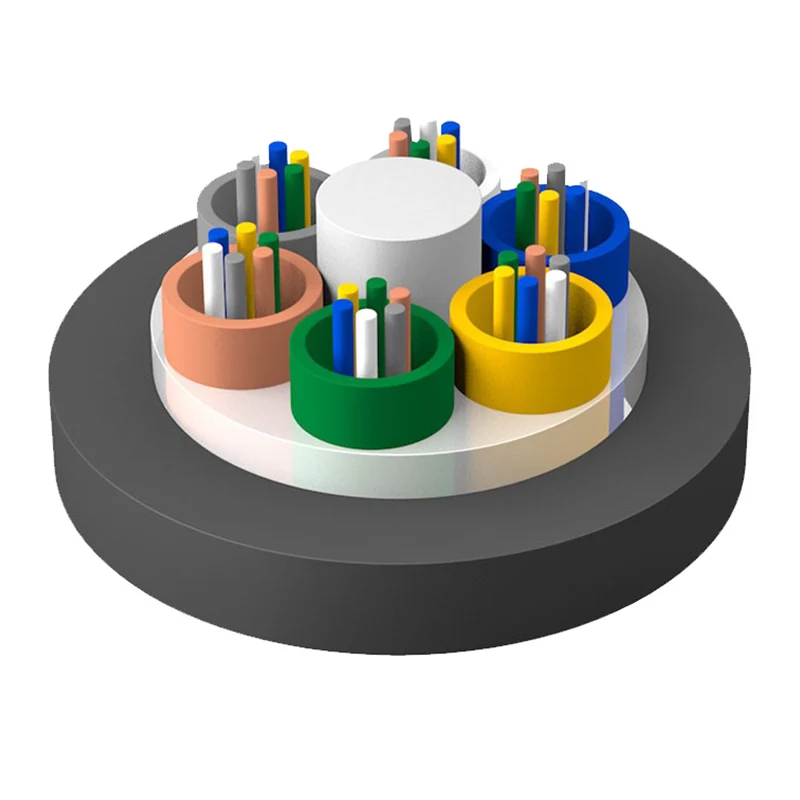
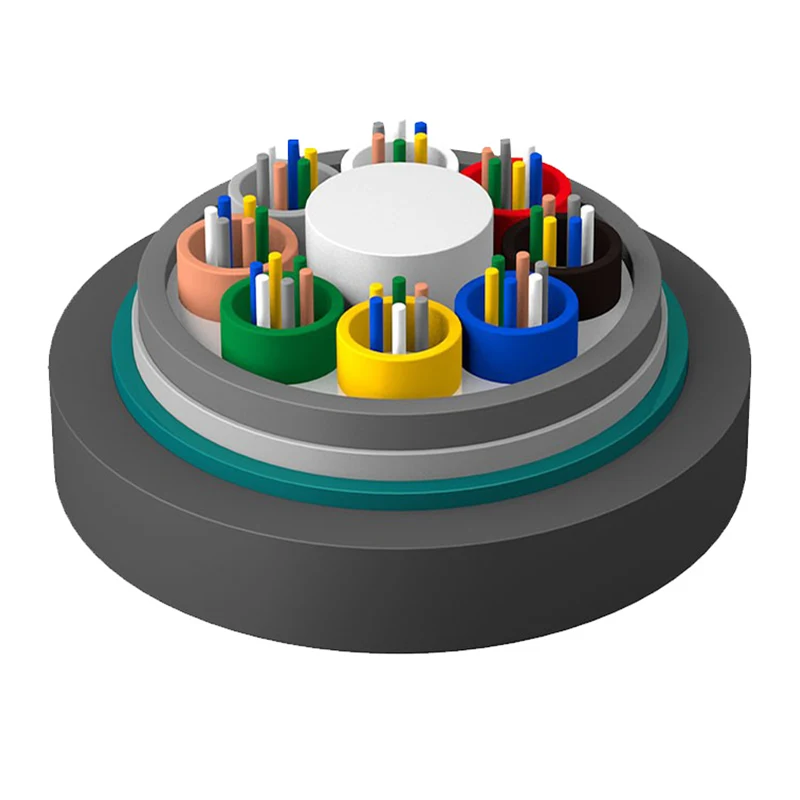
The Loose-tube Stranded Non-armored Optical Fiber Tape Cable GYDTA adopts a central strength member design, where multiple loose tubes containing ribbon fibers are stranded around a metal reinforcing core. Each loose tube is filled with water-blocking compound to protect the fibers from moisture and mechanical stress during operation.
An aluminum-polyethylene laminated tape (APL) is longitudinally applied to enhance moisture resistance, followed by a durable polyethylene outer sheath that ensures protection against UV exposure and environmental conditions. This structure makes the cable suitable for duct, aerial, and pipeline installation scenarios.
Key Structural Design
Loose Tube with Ribbon Fiber
4, 6, 8, or 12-core ribbon fibers are placed inside high-modulus loose tubes. This design improves fiber density and supports efficient mass fusion splicing, which is useful for large-scale network deployment.
Central Reinforcement Core
A steel wire central strength member provides tensile resistance, helping the cable maintain structural integrity during installation and long-distance pulling.
The PE outer jacket offers reliable resistance to ultraviolet radiation and environmental aging, supporting long-term outdoor use without frequent maintenance.
Performance Characteristics
Mechanical Stability
The stranded structure ensures the cable maintains flexibility while resisting external stress, making installation easier in complex routing environments.
Temperature Adaptability
Materials used in the Loose-tube Stranded Non-armored Optical Fiber Tape Cable GYDTA provide stable performance across a wide temperature range, suitable for varying climates.
Hydrolysis Resistance
The loose tube material resists hydrolysis, reducing the risk of degradation in humid or wet environments.
Installation Efficiency
Ribbon fiber configuration allows for faster splicing, reducing labor time and improving efficiency for contractors and project teams.
Application Scenarios
The Loose-tube Stranded Non-armored Optical Fiber Tape Cable GYDTA is commonly used in:
Telecommunication backbone networks
Metropolitan area networks (MAN)
Access network distribution
Broadcasting and data transmission systems
Infrastructure projects such as railways, highways, and power systems
FAQ
What makes this cable suitable for outdoor use?
The combination of PE sheath, aluminum moisture barrier, and water-blocking filling ensures the cable performs reliably in outdoor environments with exposure to moisture and sunlight.
Is this cable suitable for high-density fiber deployment?
Yes, the ribbon fiber design allows higher fiber counts and supports efficient mass splicing, which is useful for large-scale network installations.
What installation methods are supported?
The Loose-tube Stranded Non-armored Optical Fiber Tape Cable GYDTA can be installed in ducts, pipelines, and aerial configurations depending on project requirements.
How does it handle moisture protection?
Multiple protective layers, including filling compounds and aluminum tape, work together to reduce the risk of water ingress and maintain long-term cable performance.
Characteristics
Exhibits excellent mechanical properties and temperature characteristics
The loose jacket material itself has good hydrolytic resistance and high strength
The inner tube is filled with special grease, providing crucial protection for the optical fiber
The specially designed tight optical cable structure effectively prevents the jacket from retracting
The PE sheath has excellent resistance to ultraviolet radiation
We use cookies to offer you a better browsing experience, analyze site traffic and personalize content. By using this site, you agree to our use of cookies.
Privacy Policy